
How to Prepare Your Home for an Appraisal Inspection
Key Takeaways
- Preparing for a home appraisal inspection helps homeowners maximize their property’s market value and refinancing options.
- Improving curb appeal, cleaning, decluttering, and documenting upgrades can significantly increase your home's appraisal value.
- Certified appraisers evaluate home condition, size, layout, location, and comparable sales during the inspection.
- Homeowners should make the home accessible, gather relevant documents, and ensure cleanliness before the appraisal inspection.
- Completing necessary repairs before an appraisal positively influences the appraiser’s assessment and the home's overall value.
- Homeowners can be present during the appraisal but should avoid influencing the appraiser’s evaluation.
- The appraisal report includes market analysis, condition assessment, and a final value estimate, all of which are critical for financial decisions.
- If the appraised value is lower than expected, homeowners can request a reconsideration or appeal through their lender.
- Typical home appraisals take 30 to 60 minutes, depending on property size and complexity.
Enhance Home Value: Expert Home Appraisal Tips

- Clean and Declutter: A clean, organized home creates a strong first impression. Make sure all rooms are tidy and free of clutter.
- Document Upgrades: Keep records of any upgrades or renovations, such as new appliances, roofing, or landscaping. This documentation helps justify a higher appraisal value.
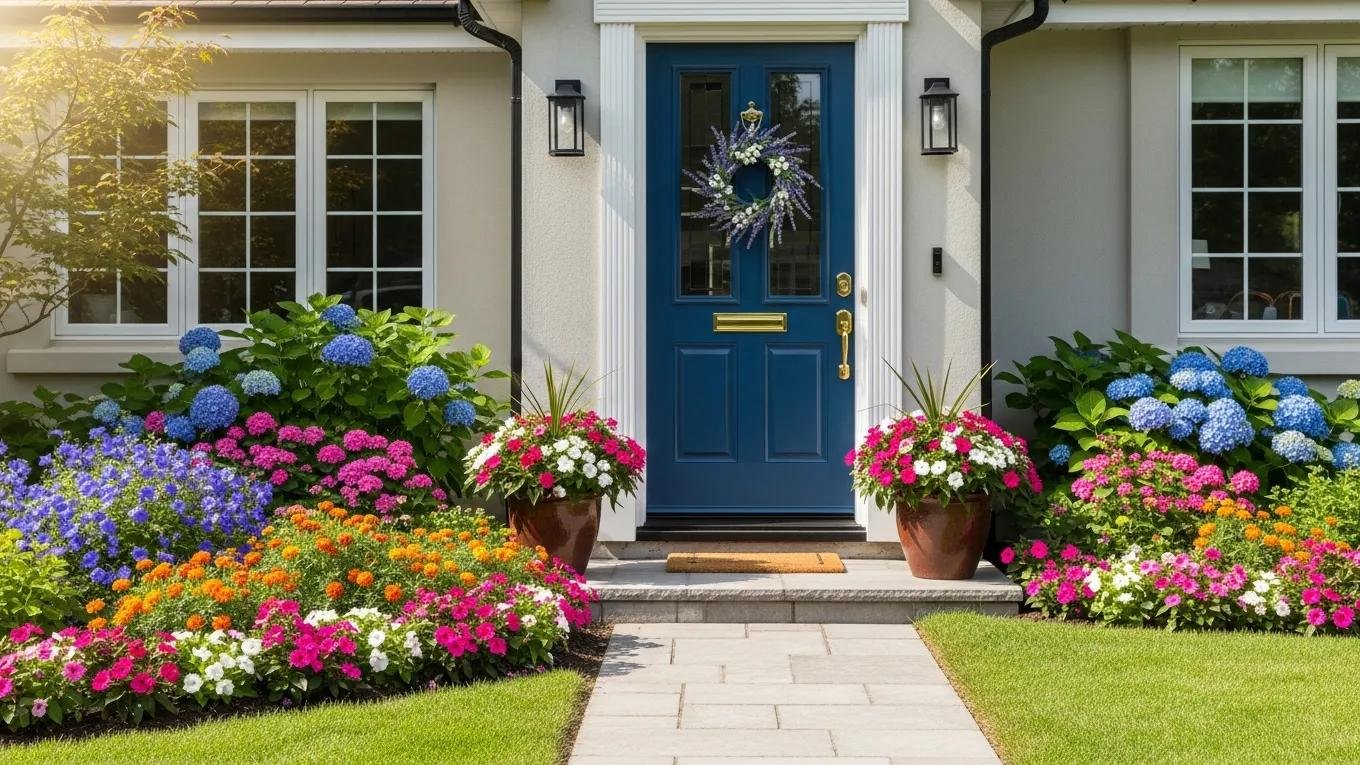
- Focus on Curb Appeal: The home's exterior is the first thing an appraiser sees. Invest time in landscaping, painting, and minor repairs to boost curb appeal.
Curb Appeal Value: Boost Home Sale Price by Up to 7%
We estimate the value of curb appeal in residential housing using Google Street View images, a deep learning classification algorithm, and hedonic controls. The analysis shows that a property's own curb appeal is worth about twice that of an across-the-street neighbor, and combined curb appeal may account for up to 7% of a house's sale price. The curb appeal premium is larger during periods of market weakness and in neighborhoods with high average curb appeal. Results remain robust across spatial controls and alternative specifications.
Valuing curb appeal, A Tidwell, 2020
What to Expect During the Inspection
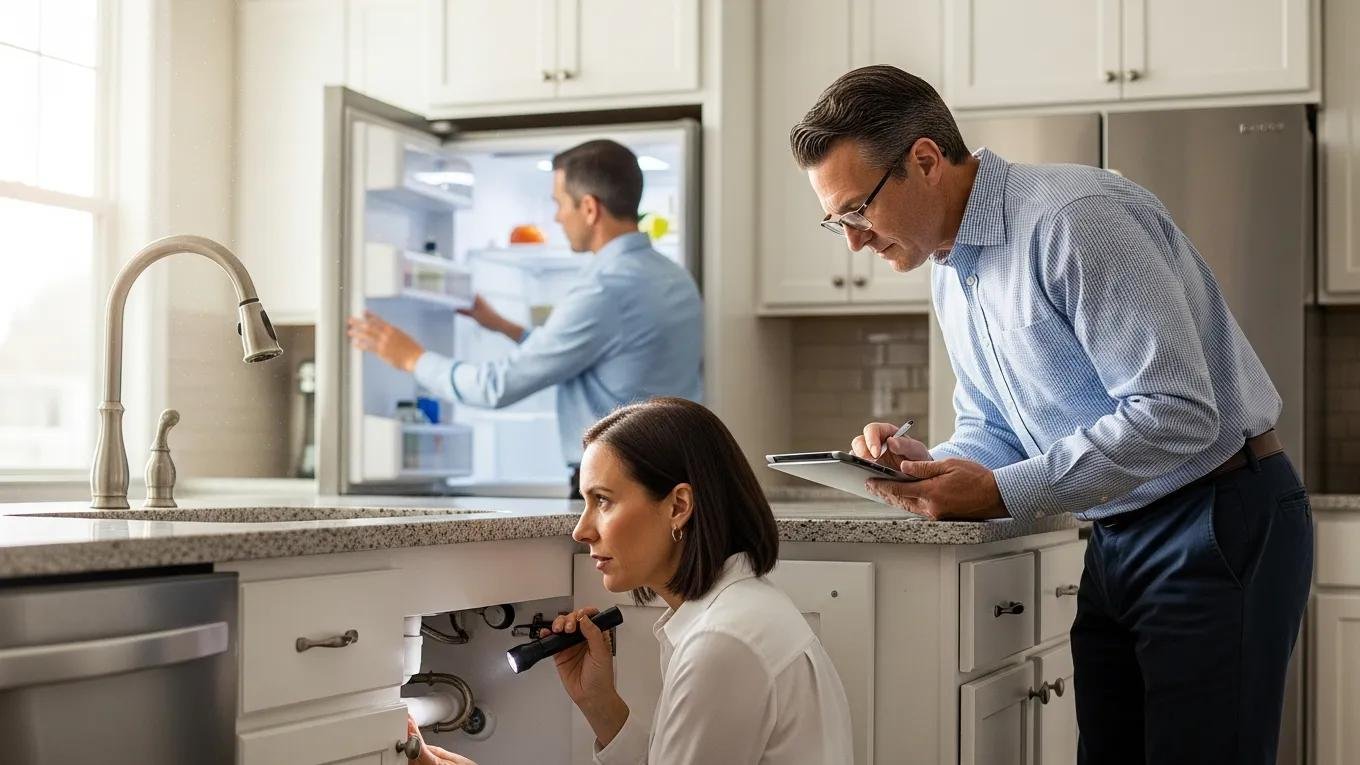
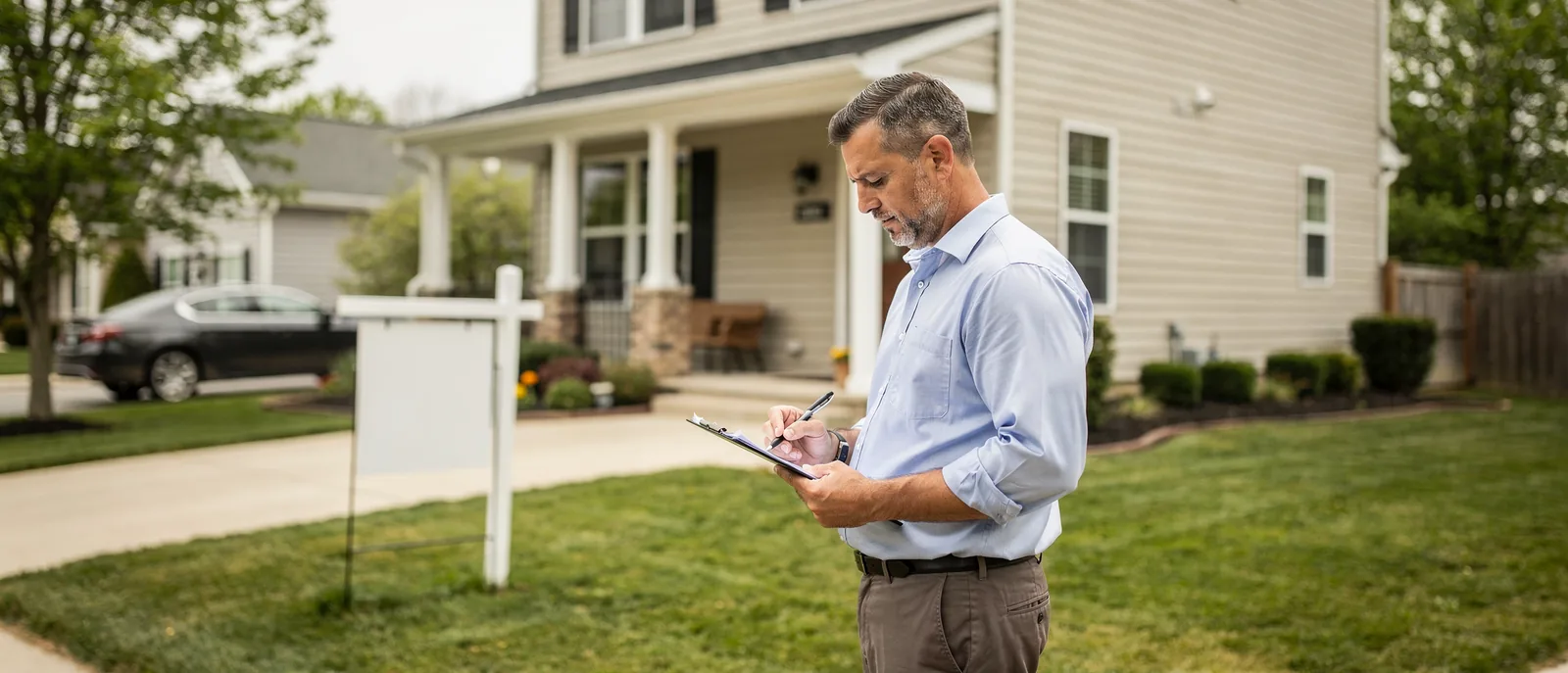
- Condition of the Home: The appraiser checks the overall condition, including structural integrity, HVAC, plumbing, electrical systems, and any visible repairs needed.
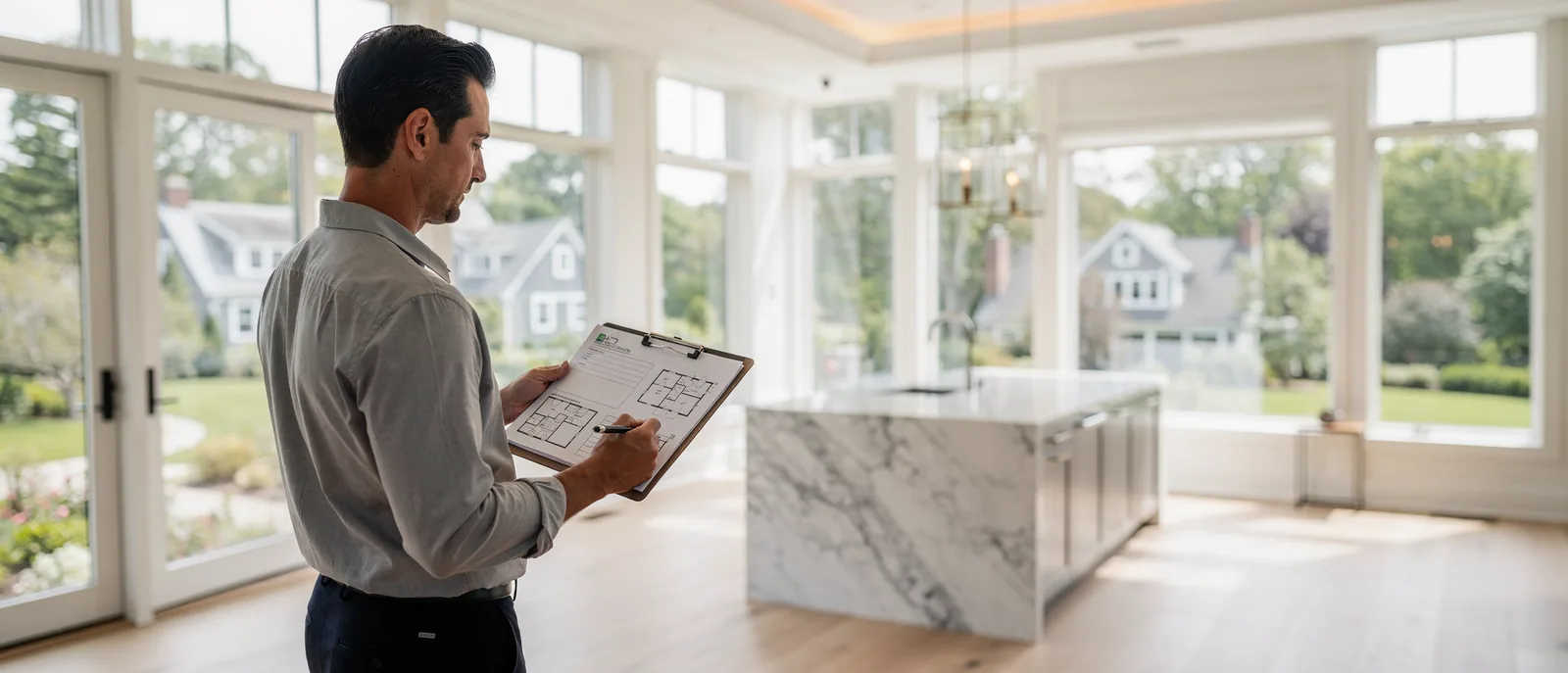
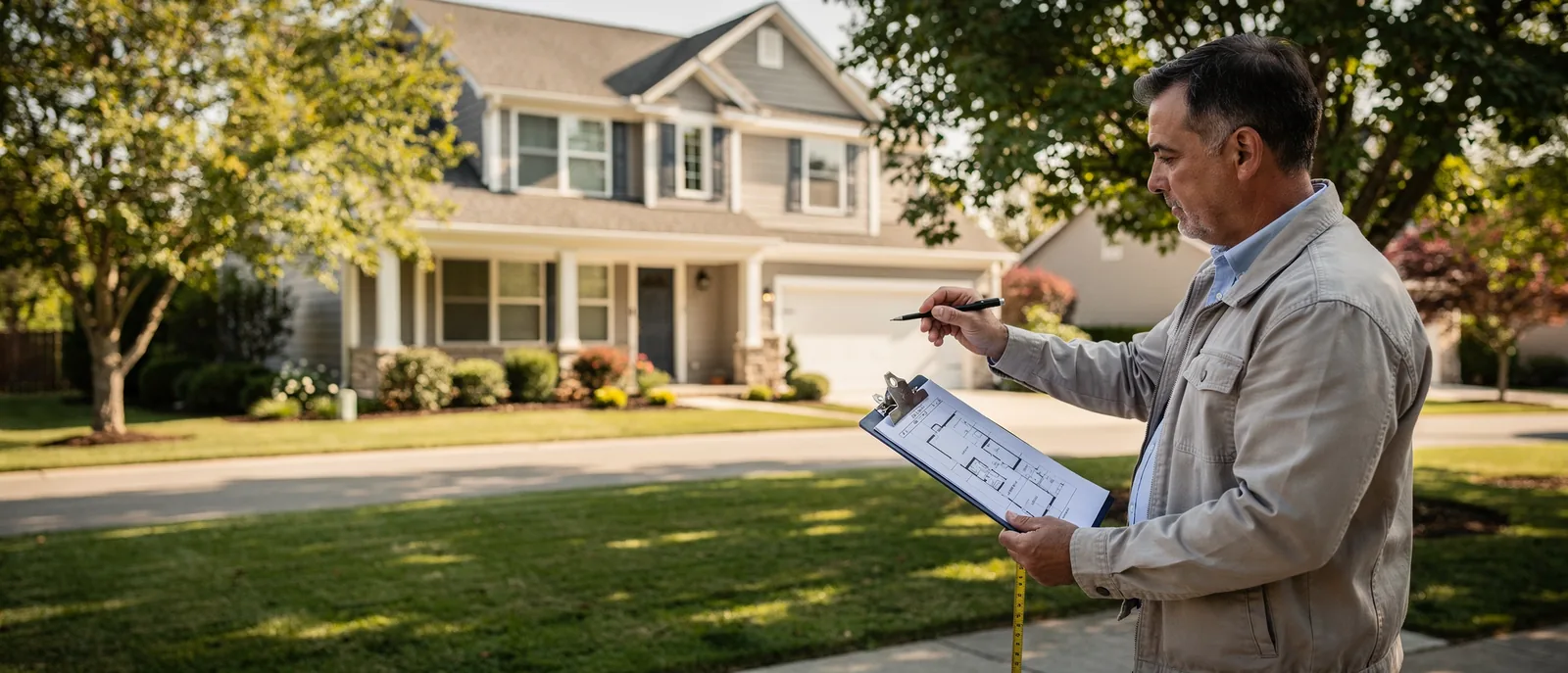
- Size and Layout: The appraiser measures your home's square footage and assesses the layout, which affects market value.
- Location and Comparable Sales: The appraiser compares your property to similar homes recently sold in your area.
Appraisal Checklist: Necessary Steps to Take Beforehand
- Make the Home Accessible: Ensure all areas, including attics, basements, and garages, are easy for the appraiser to access.
- Gather Relevant Documentation: Collect previous appraisal reports, tax assessments, permits, and records of improvements or renovations.
- Ensure Cleanliness: Clean your home thoroughly and remove clutter so the appraiser can focus on your home's features.
- Complete Minor Repairs: Fix visible issues like leaky faucets, broken tiles, or damaged roofing before the inspection.
- Prepare a List of Upgrades: Create a clear list of recent improvements, including dates and costs, to share if asked.
- Enhance Curb Appeal: Mow the lawn, trim bushes, and tidy the exterior to make a great first impression.
What Is the Home Appraisal Process and Why Is Preparation Important?
- Home Condition: The overall state of your property, including repairs and upgrades, affects value.
- Size and Layout: Square footage and floor plan impact marketability and price.
- Comparable Sales: Recent sales of similar homes nearby serve as benchmarks.
How Does an Appraiser Evaluate Property Condition During Inspection?
- Structural Integrity: Checking for damage or wear that could lower the value.
- Systems Functionality: Ensuring plumbing, electrical, and HVAC systems work properly.
- Aesthetic Appeal: Evaluating paint, flooring, fixtures, and overall appearance.
What Role Does the Appraisal Report Play in Determining Market Value?
- Market Analysis: Comparison with similar homes recently sold.
- Condition Assessment: Notes on the home's condition and any concerns.
- Final Value Estimate: The appraiser's conclusion on your home's market value.
What Are the Key Steps in a Real Estate Appraisal Checklist for Homeowners?
- Document Necessary Information: Gather previous appraisals, tax assessments, and improvement records.
- Organize Documents Effectively: Keep all paperwork in one place for easy access.
- Prepare the Property for Inspection: Clean, declutter, and ensure all areas are accessible.
Which Property Areas Should Homeowners Inspect Before the Appraisal?
- Repairs and Maintenance: Fix leaks, broken tiles, or damaged roofing.
- Unique Features: Highlight custom cabinetry, energy-efficient appliances, or other special features.
How Can Homeowners Effectively Organize Their Home Appraisal Documents?
- Gathering All Relevant Papers: Include previous appraisals, tax records, and receipts for improvements.
- Creating a Checklist: Use a simple list to ensure nothing is missing.
How Do Repairs and Improvements Affect Home Value Appraisal Preparation?
- Enhancing Appraisal Outcomes: Fixing problems improves your home's condition and appraisal value.
- Timing of Repairs: Complete repairs before the appraisal to avoid negative impressions.
Home Repairs & Renovations: Impact on Home Value & Satisfaction
Expenditures on home repair, maintenance, and renovation have grown relative to new construction costs. Using 16 years of HILDA data (2005–2020) and regression analysis that controls for relevant confounders, the study finds that a greater share of household income spent on home improvements is associated with increased life satisfaction. The results suggest that spending on repairs and renovations raises home satisfaction, which contributes to overall subjective wellbeing.
The wellbeing implications of household home repair and renovation expenditure, S Awaworyi Churchill, 2025
Which Repairs Have the Greatest Impact on Appraisal Value?
- Roof Repairs: A well-maintained roof protects your home and can increase appraisal value by 60-70% ROI.
- Kitchen Remodels: Upgrading kitchens typically yields a 60-80% ROI and boosts appeal.
- Bathroom Upgrades: Modern bathrooms can deliver 50-70% ROI and increase property value.
- Curb Appeal Improvements: Landscaping and exterior maintenance create a strong first impression.
Should Homeowners Complete Repairs Before or After the Appraisal Inspection?
- Visible Issues: Fixing problems prevents negative perceptions and leads to a better appraisal.
- Marketability: A well-maintained home attracts buyers and appraises at a higher price.
What Common Questions Do Homeowners Have on Appraisal Day?
- Can Homeowners Be Present During the Appraisal Inspection?: Yes, but avoid influencing the appraiser.
- How Long Does a Typical Home Appraisal Take? Usually 30 to 60 minutes, depending on size and complexity.
Can Homeowners Be Present During the Appraisal Inspection?
- Avoid Influencing the Appraiser: Do not provide excessive information or try to sway the appraiser's opinion.
- Respect the Appraiser's Process: Let the appraiser work without interruption.
How Long Does a Typical Home Appraisal Take?
- Property Size: Larger homes take longer to evaluate.
- Complexity: Unique features or renovations may extend the inspection.
What Are the Post-Appraisal Steps Homeowners Should Expect?
- Turnaround Time for Appraisal Reports: Reports typically arrive within 1-2 days after the inspection.
- Potential Outcomes: The appraisal may meet, exceed, or fall short of expectations, which will influence your next steps.
How to Review and Understand the Appraisal Report Findings?
- Value Estimate: The final value is critical for financial decisions.
- Condition Assessment: Note any repairs or issues mentioned.
What Actions Can Homeowners Take If the Appraisal Value Is Lower Than Expected?
- Requesting a Reconsideration of Value: Provide additional information or documentation to support a higher value.
- Appealing the Appraisal: Work with your lender to challenge the appraisal if justified.
Frequently Asked Questions
What should homeowners do if they disagree with the appraisal value?
How can homeowners prepare for the appraisal if they have made recent renovations?
What are some common mistakes homeowners make before an appraisal?
How does the local real estate market affect home appraisals?
What factors can lead to a higher appraisal value?
Can homeowners influence the appraisal process?
What should homeowners do after receiving the appraisal report?
What is the estimated return on investment (ROI) for common home improvements before an appraisal?
- Kitchen Remodel: 60-80% ROI
- New Roof: 60-70% ROI
- Bathroom Upgrade: 50-70% ROI
- Curb Appeal Enhancements: Up to 7% increase in sale price
What is a simple step-by-step pre-appraisal checklist homeowners can follow?
- Clean and declutter all rooms.
- Complete minor repairs (leaks, broken fixtures).
- Enhance curb appeal (mow lawn, trim bushes).
- Gather and organize documents (previous appraisals, tax records, improvement receipts).
- Make all areas accessible (attic, basement, garage).
- Prepare a list of upgrades with dates and costs.
- Ensure pets are secured during the inspection.
- Be ready to answer appraiser questions, but avoid influencing their judgment.