Residential appraisals in Middletown, CT for estates, divorce, tax appeals, pre-listing, and 2-4 unit properties. Certified appraiser, clear quote up front.


Appraisals

Residential appraisals in Middletown, CT for estates, divorce, tax appeals, pre-listing, and 2-4 unit properties. Certified appraiser, clear quote up front.

Residential appraisals in New Canaan, CT for estates, divorce, tax appeals, and pre-listing. Large-lot, historic, and modern homes. Clear quote up front.
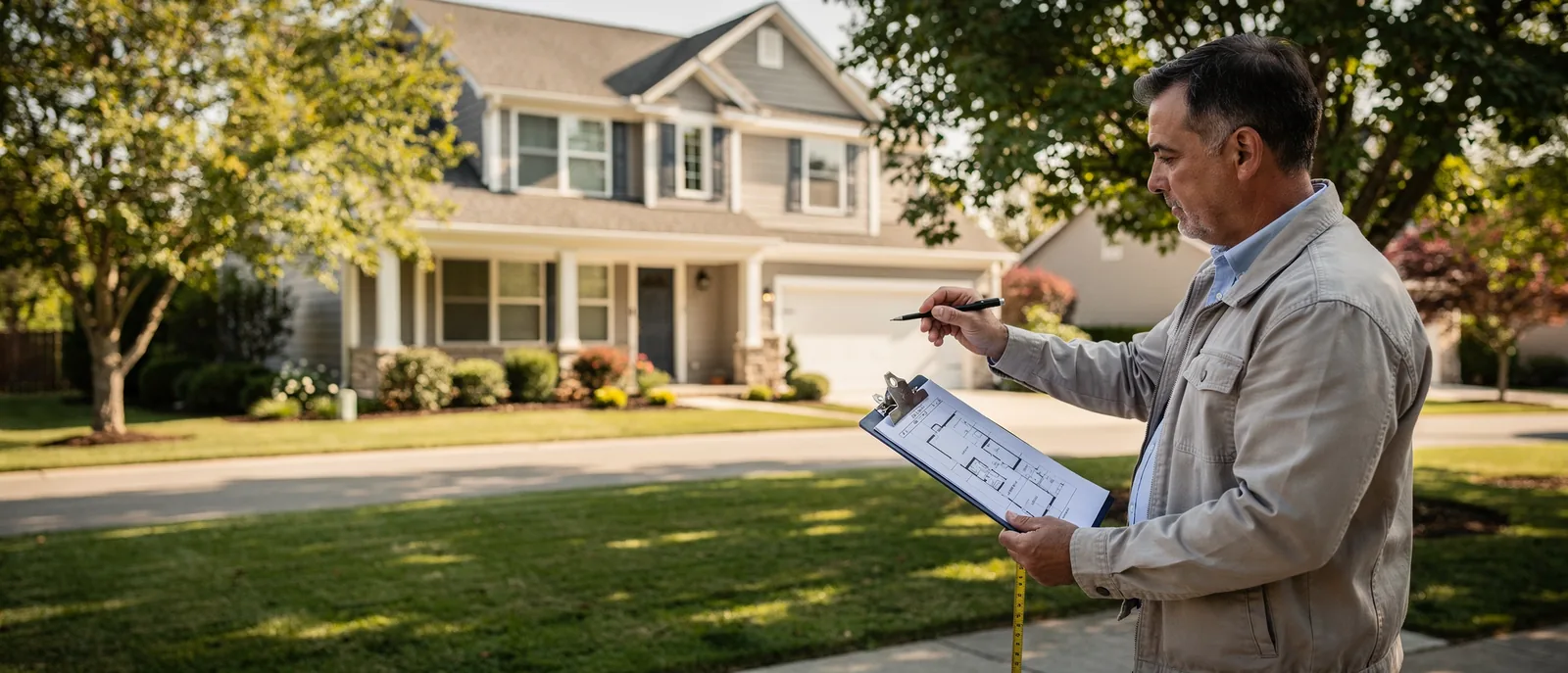
Residential appraisals in Fairfield, CT for estates, divorce, tax appeals, pre-listing, and refinance. Shoreline and inland homes. Clear quote up front.
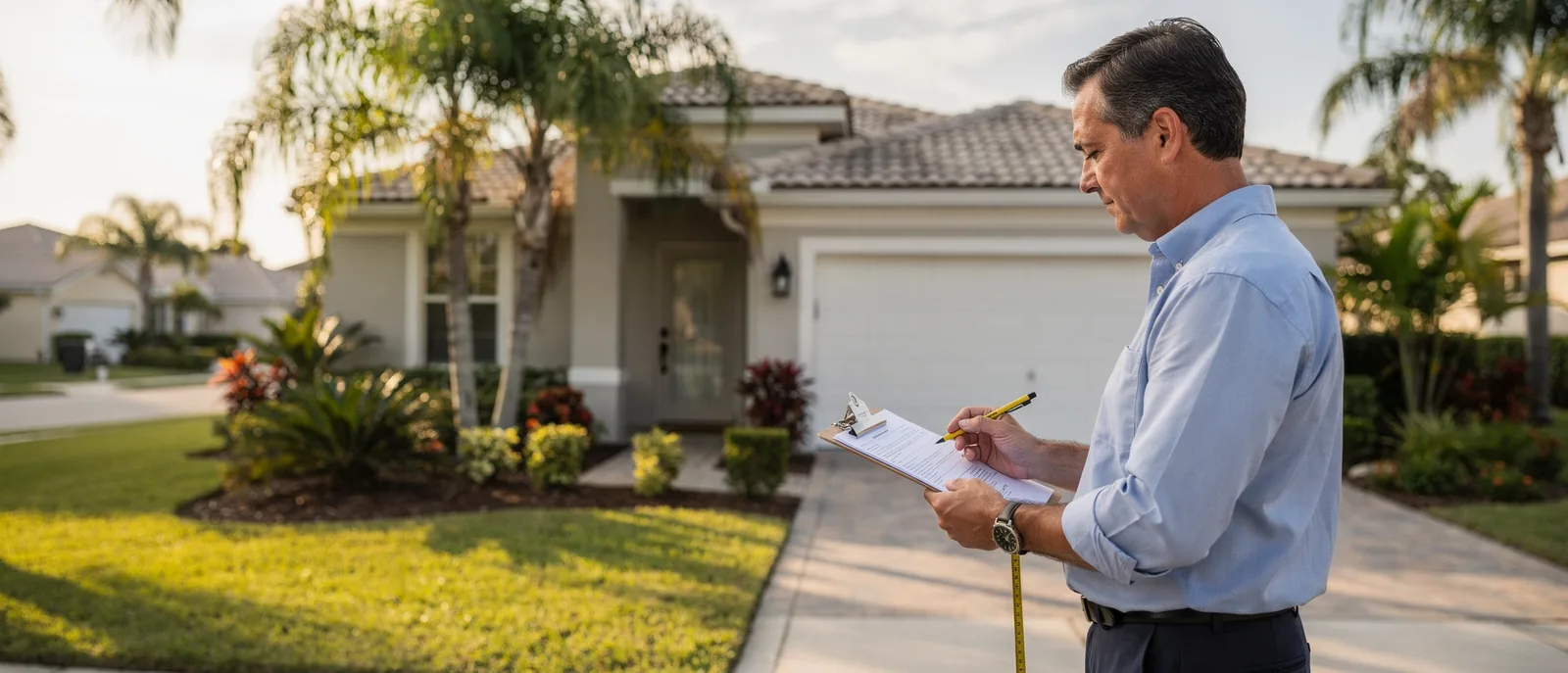
Residential appraisals in Orlando and Central Florida for estates, divorce, tax appeals, pre-listing, and refinance. Certified appraiser, clear quote up front.

Residential appraisals in Fort Lauderdale for estates, divorce, tax appeals, and pre-listing. Canal-front homes, condos, and more. Clear quote up front.

Residential appraisals in Miami for estates, divorce, tax appeals, and pre-listing. Condos, single-family, and waterfront homes. Clear quote up front.
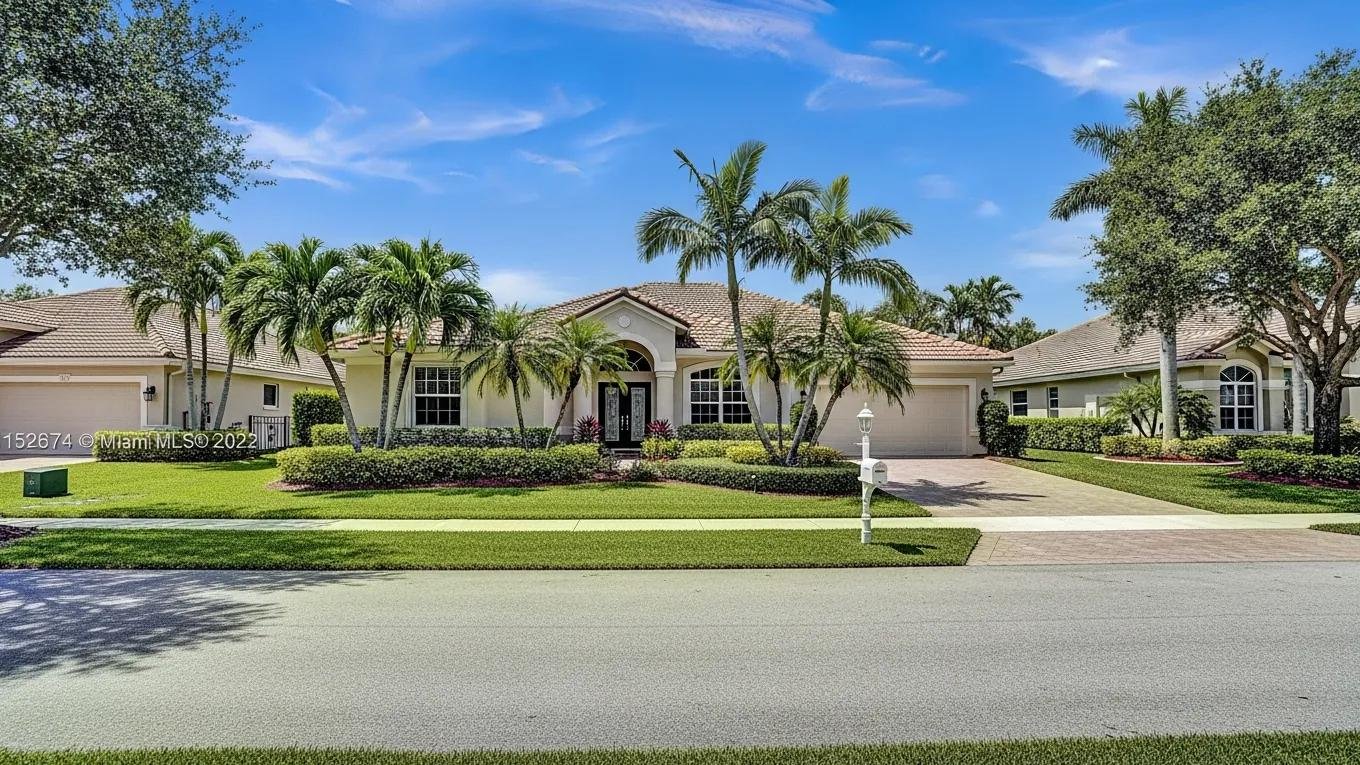
Residential appraisals throughout Broward County, from Hollywood to Coral Springs, for estates, divorce, tax appeals, and pre-listing. Clear quote up front.
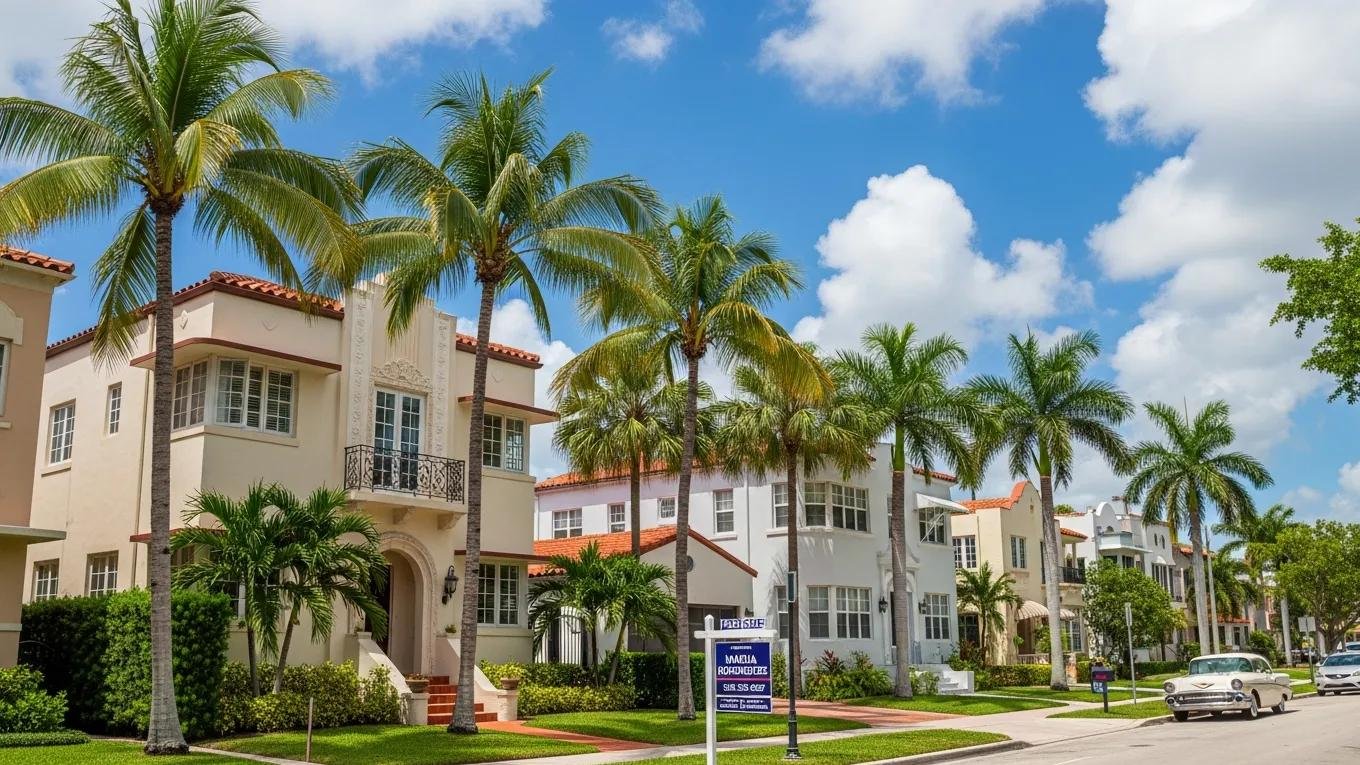
Residential appraisals throughout Miami-Dade County, from Aventura to Homestead, for estates, divorce, tax appeals, and pre-listing. Clear quote up front.
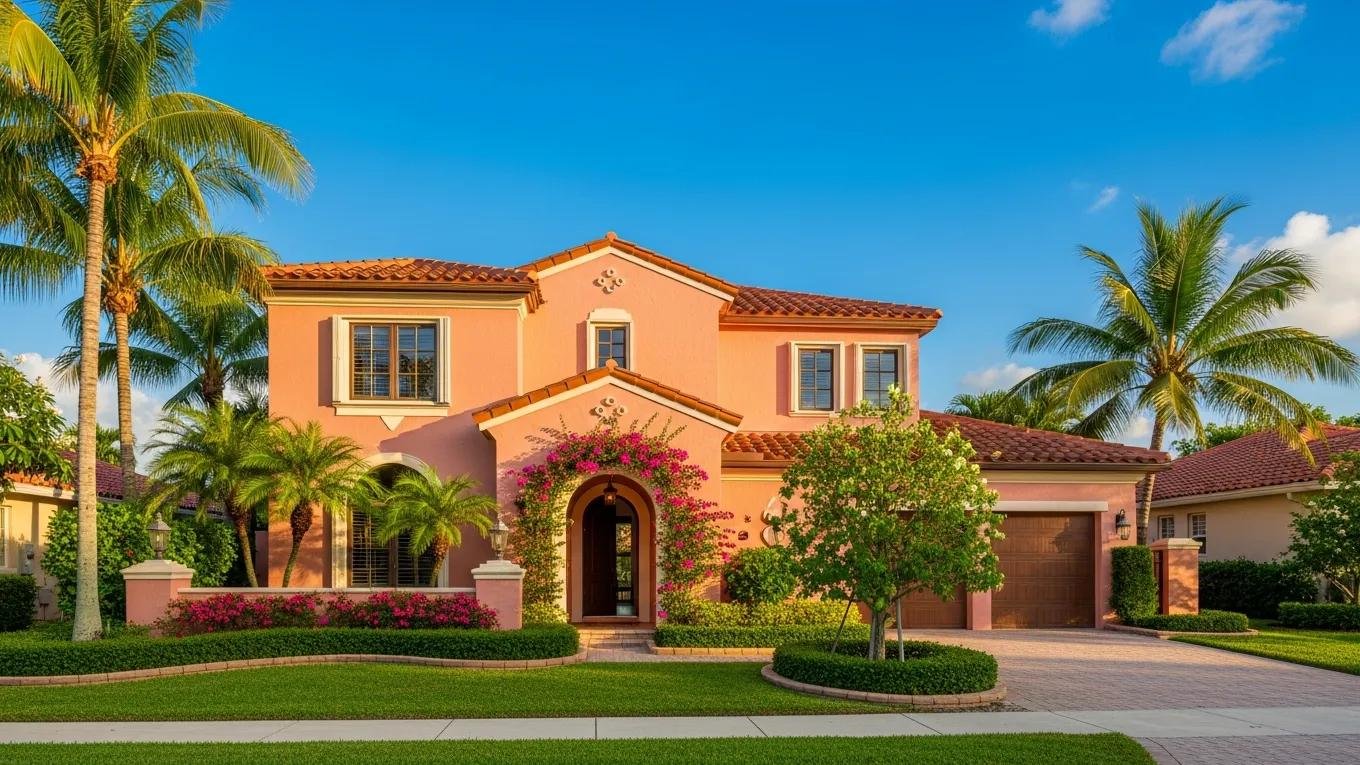
Residential appraisals in West Palm Beach for estates, divorce, tax appeals, and pre-listing. Historic homes, condos, and waterfront. Clear quote up front.
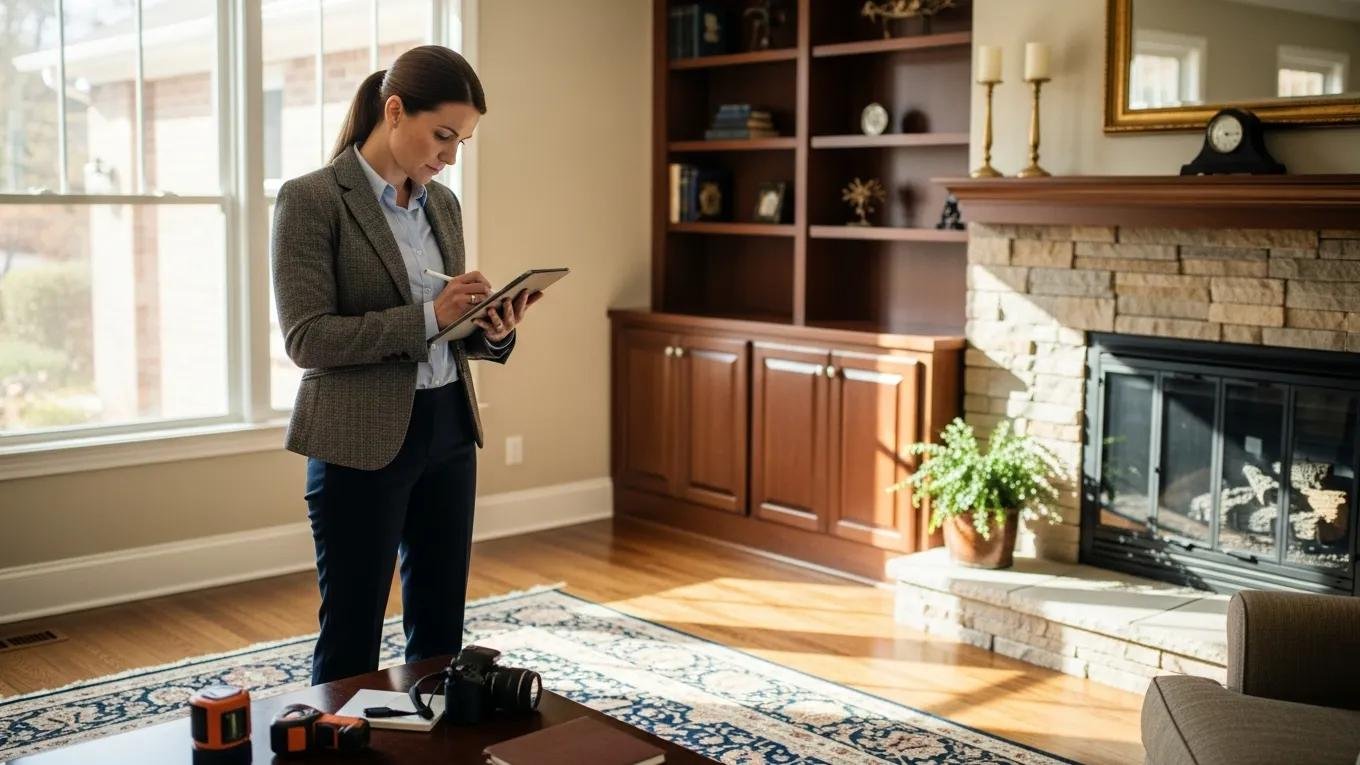
Residential appraisals in West Hartford, CT for estates, divorce, tax appeals, and pre-listing. Colonials, Tudors, capes, and condos. Clear quote up front.

Get reliable divorce appraisals with accurate property valuations. Trust our court-ready services to ensure a fair and client-focused outcome in your case.

Residential appraisals in Naples and Collier County for estates, divorce, tax appeals, and pre-listing. Waterfront, golf community, and estate homes.

Residential appraisals in Norwalk, CT for estates, divorce, tax appeals, and pre-listing. Shoreline homes, condos, and multi-family. Clear quote up front.

How an independent appraisal helps seniors and families price a home, plan a move, handle a family sale, and use Florida homestead portability.

Residential appraisals throughout Fairfield County, CT, from Greenwich to Danbury, for estates, divorce, tax appeals, and pre-listing. Clear quote up front.

Navigating a home purchase appraisal is vital for buyers. Gain key insights into how appraisals affect mortgage decisions and ensure a successful transaction.

Why the valuation date matters in a divorce, how Florida and Connecticut approach it, and how to order an appraisal that fits your case.

USPAP-compliant home appraisals in Bradenton, Lakewood Ranch, and Manatee County, FL. Estate, divorce, pre-listing, tax appeal, and lender appraisals.
Get accurate home valuations with trusted coastal Connecticut appraisals. Clients benefit from expert insights tailored for shoreline and coastal properties.
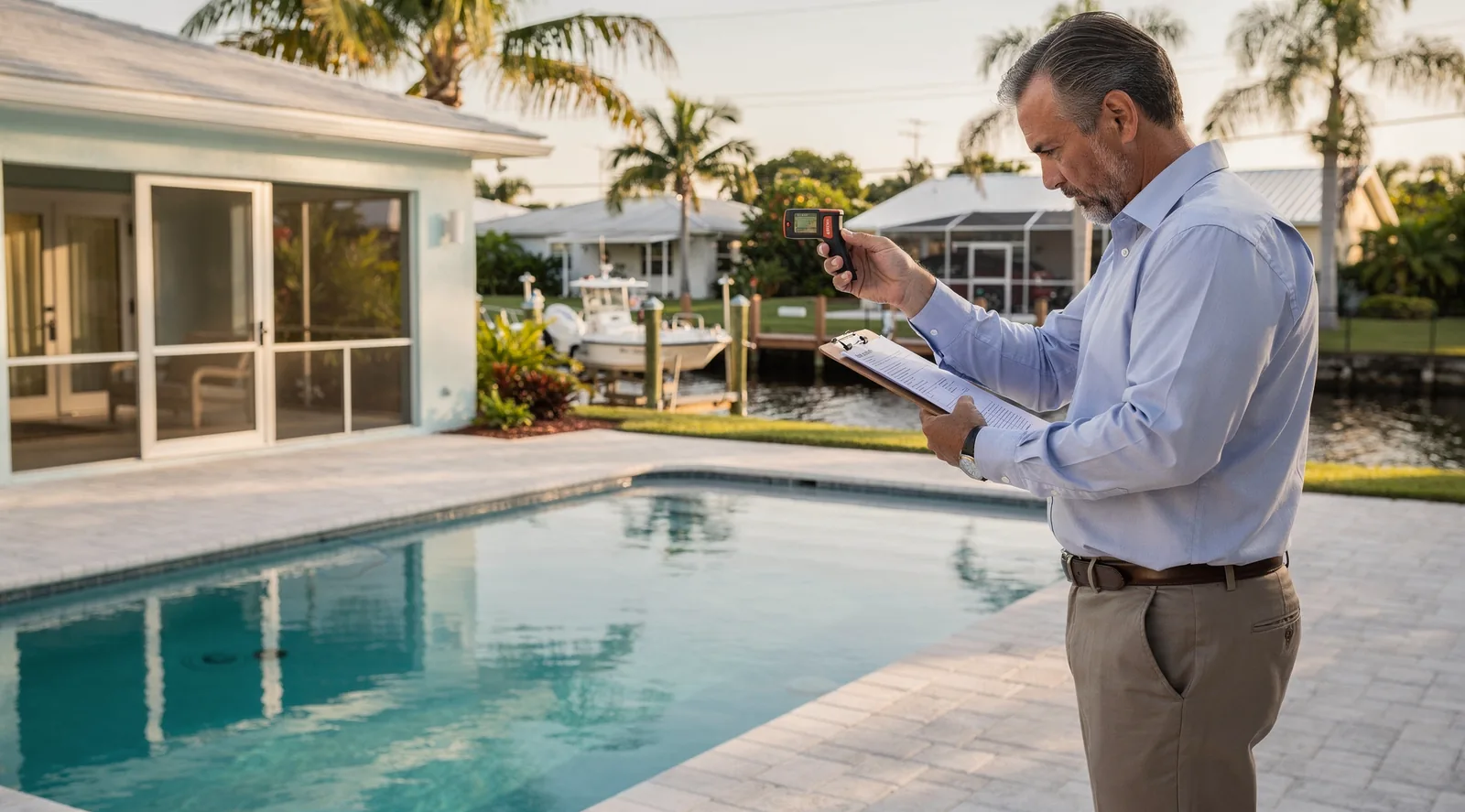
USPAP-compliant home appraisals in Fort Myers, Cape Coral, and Lee County, FL, including canal, pool, and rebuilt homes.