
+1 888 602 8322

hello@heritagevaluation.co

Web Design

Your content goes here. Edit or remove this text inline.

Logo Design

Your content goes here. Edit or remove this text inline.

Web Development

Your content goes here. Edit or remove this text inline.

White Labeling

Your content goes here. Edit or remove this text inline.

VIEW ALL SERVICES 

Discussion - 

0

Discussion - 

0

How to Avoid Appraisal Problems Before Inspection

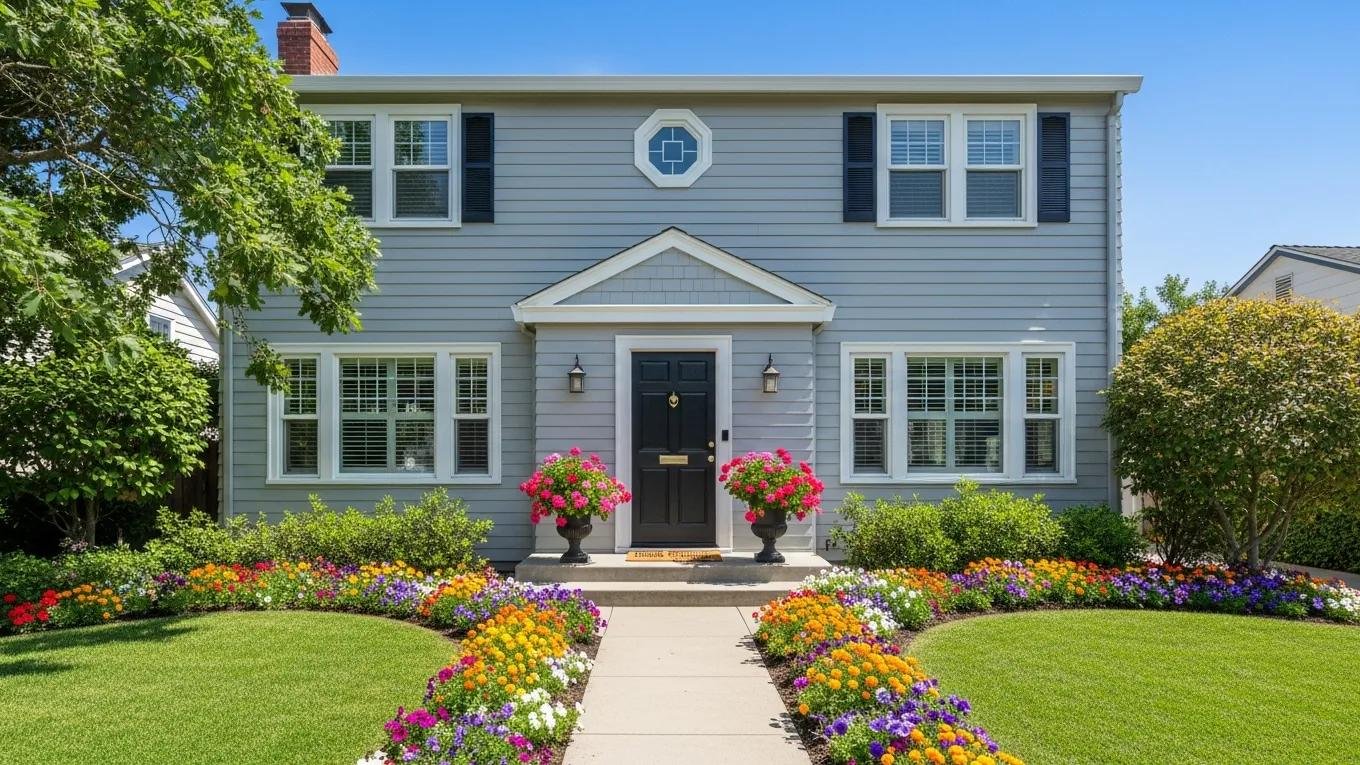
Well-maintained home exterior representing property valuation and preparation for appraisals

How to Prevent Appraisal Problems Before Inspection: Practical Valuation and Preparation Strategies

Appraisals can be derailed by avoidable issues. Spotting and addressing common appraisal problems before the inspector arrives helps homeowners and real estate professionals protect value and keep transactions on track. This guide offers practical, step-by-step strategies to reduce appraisal risk and streamline the inspection process. Read on for common appraisal pitfalls, how to prepare the property, the lender’s role, and strategies for resolving disputes early.

Key Takeaways

  • Typical appraisal problems include poor comparable selection, misrepresented property condition, and sudden market shifts that change expected value.
  • Appraisal contingencies can create uncertainty and lead to renegotiation or canceled contracts if not managed proactively.
  • Good preparation focuses on maintenance, curb appeal, and organized documentation to present the property accurately.
  • An effective appraisal checklist covers condition, comparable sales, and all supporting paperwork.
  • Early inspections, unobstructed access, and a clear record of improvements help prevent common appraisal errors.
  • Visual tools like checklists and infographics improve communication with the appraiser and keep preparation on track.
  • Lender rules—about comparables and appraiser qualifications—shape the appraisal outcome and should be understood in advance.
  • Clear client communication, prompt document delivery, and basic education reduce delays and speed the appraisal process.
  • Addressing disputes quickly with open dialogue and evidence gathering usually leads to better, faster resolutions.

What Are the Common Appraisal Challenges to Anticipate?

Appraisal issues can materially change a property’s reported value and stall a sale. The first step to avoiding trouble is knowing what to watch for. Frequent problems include inconsistent condition reporting, poor comparable selections, and complications from appraisal contingencies—all of which can produce lower-than-expected valuations and complicate financing or negotiations.

Research highlights the central role of accurate valuation in real estate deals and the legal principles that guide residential appraisals.

Residential Property Valuation & Appraisal Law

This volume examines residential valuation methods and the legal framework that supports them. It covers common appraisal approaches and the legal considerations that affect residential property valuation. — Residential Property Appraisal: Volume 1 — Valuation and Law, 2021

Which Property Valuation Errors Most Impact Appraisals?

Several valuation mistakes commonly drive appraisal outcomes off course. Key errors include:

  • Inaccurate Comparables: Relying on outdated or irrelevant sales can distort the appraiser’s value estimate.
  • Condition Misrepresentation: Omitting or downplaying issues—structural or cosmetic—can lead to lower valuations.
  • Market Fluctuations: Rapid changes in local supply, demand, or pricing can make prior data unreliable.

A disciplined approach—accurate research and honest property representation—gives appraisers the most useful information for a fair valuation.

How Do Appraisal Contingency Issues Affect the Inspection Process?

Appraisal contingencies allow buyers to walk away or renegotiate if a property doesn’t appraise at the agreed-upon price. That uncertainty can add pressure to the inspection and increase the chance of contract changes. The best defense is transparent communication between buyer, seller, agents, and lender, plus a thorough and accurate presentation of the property.

How to Prepare Your Property Effectively for the Appraisal Inspection?

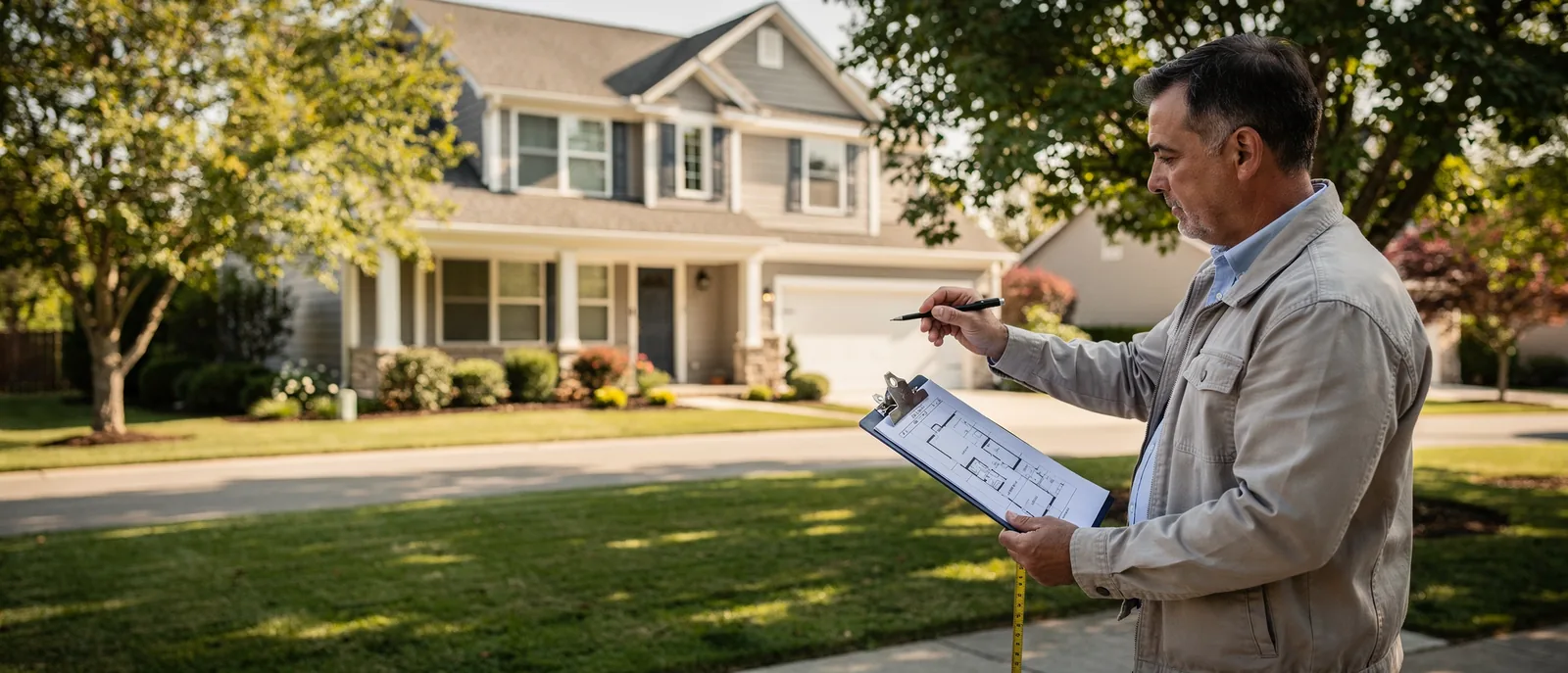
A thoughtful, organized preparation makes it easier for appraisers to see a property’s true value. Prioritize repairs, improve curb appeal, and gather documentation so the appraiser can confirm upgrades and condition without guesswork. A prepared home leads to a more reliable valuation.

Heritage Valuation Services delivers focused appraisal support designed to reduce pre-inspection issues. Their experienced appraisers help ensure properties are presented clearly and evaluated against appropriate market data.

What Should an Appraisal Inspection Checklist Include?
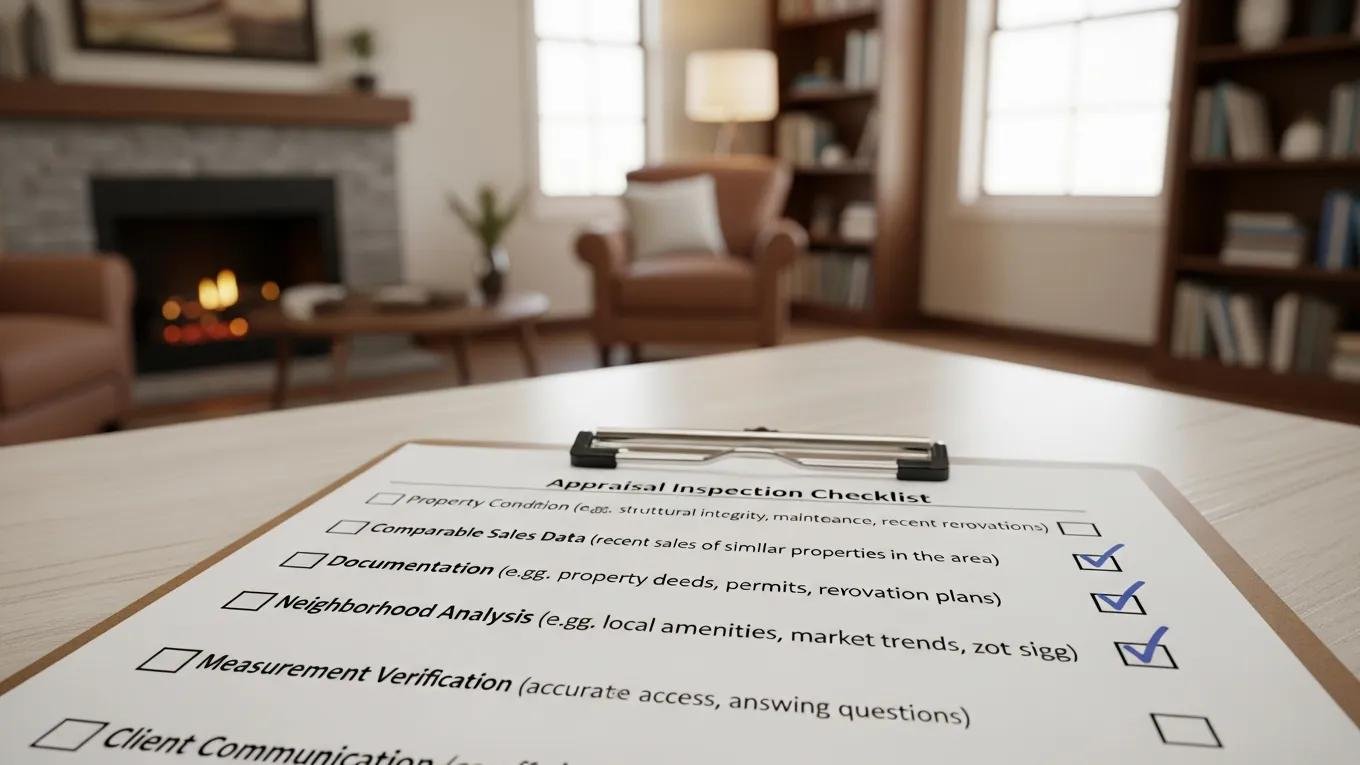
A concise checklist keeps the appraisal focused and accurate. Make sure it covers:

  • Property Condition: Note repairs, recent maintenance, and visible deficiencies.
  • Comparable Sales Data: Collect recent, local sales of similar homes with prices and closing dates.
  • Documentation: Have deeds, permits, warranties, and receipts ready for review.

Which Pre-Inspection Appraisal Advice Helps Avoid Common Mistakes?

Before the official inspection, take these practical steps:

  • Conduct a Pre-Appraisal Walkthrough: Identify issues and fix minor problems in advance.
  • Provide Clear Access: Ensure appraisers can easily access attics, basements, mechanical systems, and exterior areas.
  • Highlight Improvements: Point out upgrades and provide proof—receipts, permits, and before/after photos.

Following these steps lowers the chance of misunderstandings and valuation gaps.

How to Use Checklists and Infographics to Prepare Your Property?

Checklists and infographics make preparation practical and visible. They break the process into manageable steps, prioritize tasks that affect value, and present your property as well-organized and well-maintained. Visual aids also help agents and appraisers quickly understand what’s been done and why it matters, which can speed the inspection and support a fair assessment. Finally, sharing a completed checklist during the inspection demonstrates proactive care and provides the appraiser with quick, verifiable information.

These tools also improve coordination among homeowners, agents, and appraisers by creating a single point of reference—reducing confusion and keeping everyone aligned.

Pre-Appraisal Property Preparation Checklist

  • ✅ Deep clean all rooms
  • ✅ Repair leaky faucets & fixtures
  • ✅ Touch up paint on walls & trim
  • ✅ Replace burnt-out light bulbs
  • ✅ Clear clutter from all spaces
  • ✅ Document recent upgrades with receipts
  • ✅ Ensure HVAC filters are clean
  • ✅ Fix cracked tiles or flooring
  • ✅ Tidy landscaping & boost curb appeal
  • ✅ Confirm permits are on file for renovations

Save or print this checklist and use it in the weeks leading up to your appraisal appointment.

Start preparation 2–4 weeks before the inspection to allow time for repairs and documentation. Invite a trusted friend, family member, or your agent to do a second walkthrough using the checklist—fresh eyes often catch missed items. Keep a digital copy on your phone for quick reference and to track completed tasks. Presenting a completed checklist and supporting receipts to the appraiser can help validate the condition and improvements. This organized approach reduces last-minute stress and supports a clear, defendable valuation.

Update the checklist as you complete tasks to maintain momentum. The objective is to show a well-maintained, well-documented property that reflects its true market value.

What Role Do Lenders and Financial Institutions Play in Preventing Appraisal Problems?

Lenders rely on accurate appraisals to set loan amounts, so their rules and standards affect how appraisals are performed. Knowing lender requirements in advance helps sellers and buyers prepare appropriately and reduces surprises that can delay closing.

How Do Lender Requirements Influence Appraisal Accuracy?

Lenders set standards for how comparables are chosen and which appraisers are eligible. Those guidelines can shape the appraisal outcome. Working within lender parameters and providing clear, relevant support materials makes the appraisal process more predictable.

Research has noted circumstances in which external pressures—such as during market stress—can affect appraisal accuracy. Awareness and adherence to professional standards remain essential.

Appraisal Accuracy & Lender Influence in Preparation

In times of financial stress, regulators and market players have sometimes struggled to maintain consistent appraisal quality. External pressures, including lender and broker incentives, can influence appraisal preparation and outcomes. — Issues in appraisal regulation: The cracks in the foundation of the mortgage lending process, 2009

What are the best practices for Client Consultation to Avoid Appraisal Delays?

Good client consultations remove uncertainty. Follow these best practices:

  • Clear Communication: Set expectations early about timelines, documentation, and possible outcomes.
  • Timely Documentation: Deliver deeds, receipts, and comparable sales promptly to avoid hold-ups.
  • Educate Clients: Explain how appraisals work and what factors most influence value so clients know what to prioritize.

These habits reduce surprises and keep the appraisal moving efficiently.

How Can Early Identification and Resolution of Appraisal Disputes Improve Outcomes?

Spotting disputes early and addressing them directly produces better outcomes. Many disagreements stem from misunderstandings over comparable selection or overlooked improvements; quick, evidence-based responses limit escalation and save time and money.

What Steps Facilitate Effective Appraisal Dispute Resolution?

Follow these steps to resolve disputes efficiently:

  • Open Dialogue: Talk through the report with the appraiser, lender, and agent to identify the issue.
  • Gather Evidence: Collect comparable sales, permits, photos, and receipts to support your case.
  • Seek Mediation: If needed, bring in a neutral third party or request a formal review to reach a fair outcome.

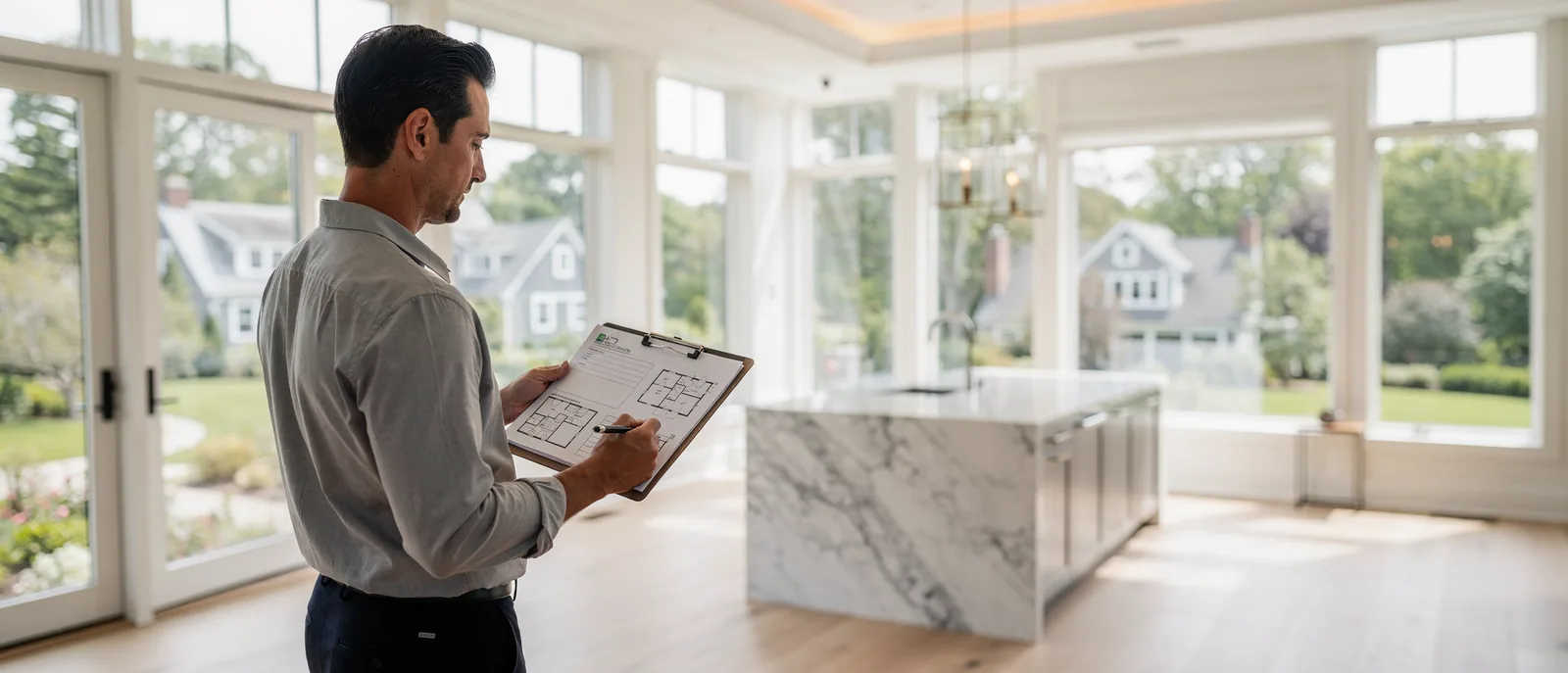
These actions help restore agreement and move the transaction forward.

How Does Heritage Valuation Services Assist in Preventing Appraisal Issues?

Heritage Valuation Services offers thorough, evidence-based appraisals and guidance to reduce pre-inspection issues. Their assessments emphasize accurate market comparisons, documented improvements, and clear reporting—helping owners and agents present properties in the best light and achieve more defendable valuations.

Preparing for appraisal inspections, anticipating common challenges, and working with qualified professionals like Heritage Valuation Services improves the odds of a smooth, successful transaction.

Frequently Asked Questions

What should I do if my property appraisal comes in lower than expected?

Carefully review the appraisal for errors or missing information. Assemble supporting evidence—recent comparable sales, receipts for improvements, and maintenance records—and share them with your lender to request a reconsideration of value. If needed, consider a second independent appraisal. Keep communication open with your agent and lender throughout the process.

How can I enhance my property's curb appeal before an appraisal?

Focus on simple, high-impact tasks: mow and edge the lawn, trim hedges, clean the exterior, and repair visible damage, such as broken steps or peeling paint. A fresh coat of paint, updated house numbers, and clean outdoor fixtures can make a strong first impression that supports market value.

What documentation should I prepare for an appraisal inspection?

Provide the property deed, recent tax assessments, a list of upgrades with receipts, and permits for major renovations. Include recent comparable sales data and service records for major systems. These documents help the appraiser quickly verify conditions and improvements.

How can I communicate effectively with my appraiser?

Be professional and factual: summarize recent upgrades, share receipts and permits, and provide a short list of comparable sales. Respond promptly to questions and make access to all areas easy. Clear, concise information helps the appraiser complete a thorough, accurate report.

What role does the local real estate market play in appraisals?

Local market conditions are a primary driver of value. Appraisers consider recent sales, supply and demand, neighborhood trends, and local economic indicators. A strong local market supports higher valuations; a weakening market can lower values. Knowing local trends helps set realistic expectations.

How can I prepare for potential appraisal disputes?

Be proactive: keep the property well-maintained, organize all documentation, and gather comparable sales in advance. Understand the appraisal process and common points of disagreement. If a dispute arises, present evidence calmly and work with the appraiser and lender to reach a resolution.

What are the benefits of hiring a professional appraisal service?

A professional appraiser provides an impartial, expert valuation supported by local market knowledge. They identify appropriate comparables, document condition and improvements, and produce a report that lenders and buyers can rely on—reducing disputes and helping transactions close more smoothly.

Conclusion

Getting ahead of appraisal problems starts with preparation, clear documentation, and experienced guidance. By anticipating common issues, presenting your property honestly, and using tools like checklists, you increase the chances of an accurate, defensible appraisal. When in doubt, consult a qualified provider such as Heritage Valuation Services to support a confident, efficient appraisal process.

Tags:

HVG

0 Comments

You May Also Like