

+1 888 602 8322

hello@heritagevaluation.co

Web Design

Your content goes here. Edit or remove this text inline.

Logo Design

Your content goes here. Edit or remove this text inline.

Web Development

Your content goes here. Edit or remove this text inline.

White Labeling

Your content goes here. Edit or remove this text inline.

VIEW ALL SERVICES 

Discussion - 

0

Discussion - 

0

Full Interior vs Desktop Appraisal Comparison

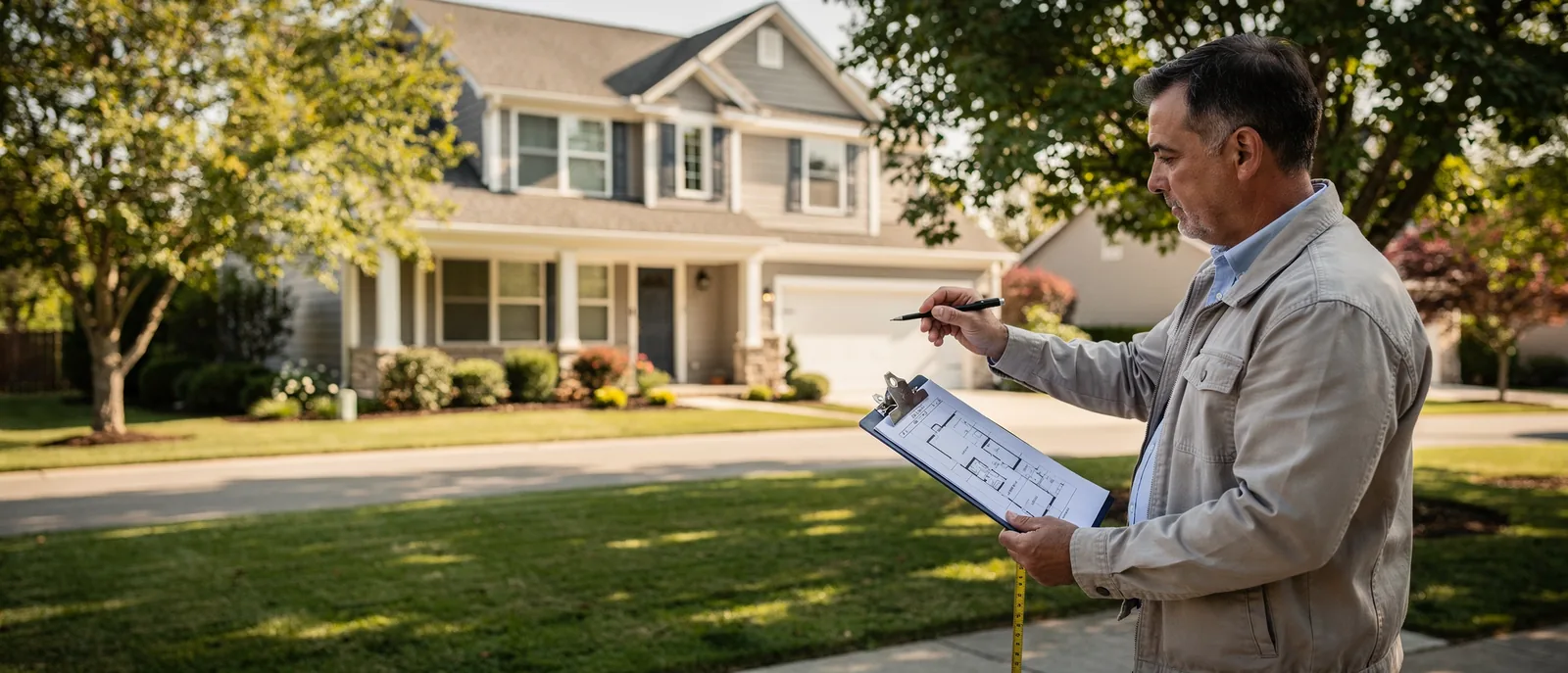
Real estate appraiser measuring a living room during a full interior appraisal

Full Interior vs. Desktop Appraisals: A Practical Guide to Real Estate Valuation

Knowing how full interior and desktop appraisals differ helps lenders, agents, and property owners pick the right valuation method. This article defines each approach, outlines the workflow, and compares strengths, limitations, costs, and ideal use cases so you can decide which appraisal fits your situation. We walk through step-by-step processes, weigh pros and cons, summarize timing and pricing, and review regulatory issues that affect acceptance. We also examine how these choices play out across New Haven County—including Waterbury, Naugatuck, Ansonia, Derby, Shelton, Seymour, and Beacon Falls.

Key Takeaways

  • Full interior appraisals include an on-site inspection and produce a detailed, higher-confidence valuation.
  • Desktop appraisals rely on public records and market data without a site visit, delivering faster, lower-cost results.
  • Choose a full interior appraisal for complex, unique, or higher-value properties that need a thorough review.
  • Desktop appraisals are suitable for standard properties or when a quick, economical estimate is required.
  • Typical costs: full interior appraisals ~$300–$500; desktop appraisals ~$100–$250.
  • Typical turnaround: full interior appraisals 5–10 business days; desktop appraisals 24–72 hours.
  • Desktop appraisals can miss condition issues without a physical inspection and may be limited by regulators or lenders.
  • Regulatory trends favor full interior appraisals for higher-value transactions and set compliance expectations for both methods.

What Defines Full Interior and Desktop Appraisal Types?

These two approaches use different inputs and suit different situations. A full interior appraisal includes a physical visit to assess condition, features, and utility, resulting in a thorough, evidence-backed valuation. A desktop appraisal depends on public records, listings, and market data without a site visit, offering a faster and typically less expensive option for routine properties.

How Does the Full Interior Appraisal Process Work?

The full interior appraisal process begins with scheduling an on-site inspection. The appraiser documents condition, measures rooms, records notable features, and photographs interiors and exteriors. They then compile comparable sales and market data, analyze the data, and prepare a detailed report supporting the final opinion of value. Those extra steps usually require several days to complete. In New Haven County—where older construction and unique architectural details are common—this in-person inspection is critical to accurately capture a property’s condition and value.

What Constitutes a Desktop Appraisal and Its Data-Driven Approach?

A desktop appraisal is completed without visiting the property and relies on existing information sources. Appraisers pull public records, recent sales, active listings, and market indicators to estimate value. This data-driven method reduces cost and turnaround time, making it appropriate for straightforward assignments where reliable records exist. The accuracy of the results depends on how current and complete the underlying data are. In areas like Waterbury and neighboring New Haven County towns, well-maintained records support desktop valuations, but undocumented updates in older homes can lead to missed condition factors.

What Are the Benefits and Limitations of Full Interior and Desktop Appraisals?

Each method carries distinct advantages and trade-offs that affect when it’s appropriate. Understanding those differences helps you manage valuation risk and select the best approach for your needs.

Which Advantages Does a Full Interior Appraisal Offer to Lenders and Real Estate Professionals?

Full interior appraisals deliver greater accuracy and richer detail through direct observation. On-site inspections reveal condition issues, upgrades, and unique features that public records may omit. The resulting reports give lenders and agents a defensible valuation they can rely on for underwriting and client guidance. For example, in older neighborhoods across Ansonia or Derby—where homes often show layered renovations—a full interior appraisal ensures those elements are captured, reducing the risk of undervaluation during financing.

What Are the Limitations of Desktop Appraisals Compared to Full Interior Inspections?

Desktop appraisals are convenient and less expensive but lack a physical inspection, so defects or nonstandard features may be missed. That limitation makes them less suitable for complex properties, and some lenders or regulators restrict their use to higher-value transactions. In New Haven County’s varied housing market, where conditions can differ widely even block to block, desktop appraisals may overlook important nuances that affect loan decisions or negotiations.

How Do Costs and Turnaround Times Compare Between Appraisal Types?

Cost and timing differ materially between the two methods and should factor into your choice based on budget and deadlines.

What Is the Typical Cost Difference Between Full Interior and Desktop Appraisals?

Full interior appraisals typically range from $300 to $500, depending on the property's size and complexity. Desktop appraisals generally cost $100 to $250. When deciding, weigh the savings of a desktop appraisal against the potential value of the added accuracy from a full interior inspection. In New Haven County, where property values and complexities vary, that cost difference can be a deciding factor for homeowners and lenders.

How Does Turnaround Time Vary Between These Appraisal Methods?

Full interior appraisals typically take 5 to 10 business days due to scheduling and the time required to prepare a comprehensive report. Desktop appraisals can often be completed in 24 to 72 hours, making them a faster option for urgent financing or sales. For example, a homeowner in Shelton needing a quick refinance might choose a desktop appraisal to meet a tight deadline.

When Is Each Appraisal Type Appropriate?

Pick the appraisal method based on the property’s characteristics, the purpose of the valuation, and your tolerance for cost, time, and uncertainty.

In Which Scenarios Is a Full Interior Appraisal Recommended?

We recommend full interior appraisals for complex properties, homes with unique features or major renovations, and transactions where lenders or legal requirements demand a thorough inspection. They’re also the right choice for high-value sales where precision matters. In New Haven County, that often includes historic homes or properties with custom upgrades in towns like Beacon Falls or Seymour.

When Is a Desktop Appraisal Suitable for Property Valuation?

Desktop appraisals are appropriate for standard, low-complexity properties and situations that require a quick, lower-cost valuation—common examples are refinances or stable-market sales where reliable comps are available. A typical single-family home in Naugatuck with recent comparable sales may be a good candidate for a desktop appraisal.

What Regulatory and Compliance Factors Affect Appraisal Selection?

Regulatory and compliance rules govern which appraisal types are acceptable for specific transactions. Following those rules preserves a valuation’s validity and defensibility.

How Do Recent Regulatory Updates Influence Appraisal Type Acceptance?

Recent regulatory changes have increased oversight of valuation methods, with a preference for full interior appraisals on higher-value deals. Desktop appraisals may be restricted in certain regulated contexts. Stakeholders should monitor rule changes to remain compliant. In Connecticut, lenders frequently require full interior appraisals for loans above particular thresholds, reflecting this cautious stance.

What Compliance Criteria Must Be Met for Each Appraisal Method?

Both methods must satisfy applicable compliance standards. Full interior appraisals typically follow detailed reporting protocols required by regulators. Desktop appraisals must demonstrate sufficient data accuracy and reliability for their intended use. We ensure all reports meet USPAP standards and local regulatory requirements, giving clients the assurance and defensibility they need.

Why New Haven County Homeowners Choose the Right Appraisal Type

The real estate market in New Haven County—including Waterbury, Naugatuck, Ansonia, Derby, Shelton, Seymour, and Beacon Falls—presents distinct challenges and opportunities for valuation. The area’s housing stock ranges from historic colonials and early 20th‑century homes to modern developments. Many properties have undergone renovations or additions over time, which can complicate valuation.

Given that variety, choosing the appropriate type of appraisal matters. Full interior appraisals are often preferred for older homes with unique features or when a detailed condition assessment is necessary. For example, a Waterbury owner selling a century‑old house with custom woodwork and multiple renovations will likely benefit from a full interior appraisal to accurately capture all value factors, such as newer subdivisions in Shelton or Seymour.

By contrast, desktop appraisals can work well for standardized properties or when market conditions are stable, such as newer subdivisions in Shelton or Seymour, where public records and recent comps are plentiful.

Heritage Valuation Group serves homeowners, lenders, attorneys, and estate clients throughout New Haven County, advising on which type of appraisal best fits each situation. Our local market knowledge helps ensure that valuations reflect true market conditions and property characteristics, enabling clients to make informed decisions.

How Can Heritage Valuation Services Support Your Appraisal Needs?

Heritage Valuation Services provides tailored appraisal solutions for a range of needs. Our licensed appraisers perform both full interior and desktop appraisals, pairing rigorous market analysis with in-person inspections when required. We deliver clear, defensible reports that help you make confident decisions. Heritage Valuation Services stands for professional, technically sound valuation support.

As one of the most experienced residential appraisal firms serving Waterbury and New Haven County, Heritage Valuation Group produces reports that meet high standards of accuracy and compliance. Our USPAP-compliant reports are accepted by lenders, courts, and the IRS, helping ensure your valuation withstands scrutiny. Clients benefit from direct access to licensed appraisers, timely turnaround, and decades of combined experience across Connecticut and Florida.

Whether you’re a homeowner pursuing a refinance, an attorney handling an estate valuation, or a lender needing underwriting support, Heritage Valuation Group offers authoritative, trustworthy appraisal services tailored to your needs.

Full Interior vs Desktop Appraisals: A Comparison Table

FeatureFull Interior AppraisalDesktop Appraisal
Cost$300–$500$100–$250
Turnaround Time5–10 business days24–72 hours
Inspection TypeOn-site physical inspectionNo physical inspection; relies on data
AccuracyHigh — includes condition and unique featuresModerate — depends on data completeness
Best Use CasesComplex, unique, or high-value propertiesStandard, low-complexity properties; quick valuations
Lender AcceptanceWidely accepted, especially for high-value loansAccepted for lower-risk loans; restricted for high-value loans
Regulatory ComplianceMeets detailed reporting standardsMust meet data accuracy requirements; limited use

What is the difference between a full interior appraisal and a desktop appraisal?

A full interior appraisal involves a physical inspection of the property—measuring rooms and assessing its condition—while a desktop appraisal relies on existing data, such as public records and market sales, without a site visit. Full interior appraisals offer more detailed, accurate valuations, particularly for unique or complex homes.

Which type of appraisal do I need for a refinance in Connecticut?

For many Connecticut refinances, a desktop appraisal may suffice if the property is standard and the loan size is moderate. Lenders often require a full interior appraisal for higher loan amounts or properties with unique features. Check with your lender and Heritage Valuation Group to determine the right option for your circumstances.

How long does a home appraisal take in New Haven County?

In New Haven County, a full interior appraisal typically takes 5 to 10 business days from scheduling to report delivery, while a desktop appraisal can be completed in 24 to 72 hours. Actual timing depends on property complexity and market conditions.

Can I get a desktop appraisal for a home in Waterbury, CT?

Yes—desktop appraisals are available for Waterbury homes, especially standard properties with reliable public data. If your home has unique features or needs a detailed condition assessment, a full interior appraisal is often recommended for accuracy and lender acceptance.

How do I prepare for a full interior appraisal?

Make the property accessible and presentable, complete any material repairs, and gather documents such as property records, renovation permits, and recent comparable sales. Having this information ready helps the inspection proceed smoothly and speeds report completion.

What should I do if I disagree with the appraisal value?

If you dispute the value, review the report for factual errors and collect supporting evidence—recent comps, receipts for improvements, or permits. Discuss concerns with the appraiser and share your documentation. If necessary, request a second appraisal or follow your lender’s and regulator’s appeal procedures.

Are there specific regulations governing desktop appraisals?

Yes. Desktop appraisals must meet data accuracy and reliability standards set by industry guidelines and regulators. While requirements differ from full interior appraisals, regulators may limit desktop use for certain high-risk or high-value transactions.

How can I find a qualified appraiser for my property?

Ask for recommendations from real estate professionals or lenders, check local appraisal organizations, and verify licensing and relevant experience. Review client testimonials and references. A qualified appraiser will deliver a thorough, compliant valuation tailored to your market and property type.

What makes Heritage Valuation Group different from other appraisal firms in Waterbury?

Heritage Valuation Group stands out by delivering USPAP-compliant, lender-accepted, and court-defensible appraisal reports with direct access to licensed appraisers. Our decades of experience in Connecticut and Florida ensure expert valuations tailored to local conditions. We prioritize clear communication and timely turnaround, making us a trusted partner for homeowners, lenders, and attorneys across New Haven County.

Can a desktop appraisal be used for estate or legal purposes in New Haven County?

Desktop appraisals can be used for some estate or legal valuations, but full interior appraisals are generally preferred for their thoroughness and defensibility in court. Heritage Valuation Group offers both options but recommends full interior appraisals for complex estate matters to ensure compliance and accuracy.

How does the age of homes in New Haven County affect appraisal choice?

Many homes in New Haven County are older and have undergone multiple renovations, making condition assessment critical. Full interior appraisals are better suited to capture those nuances; desktop appraisals may miss important details that affect valuation accuracy and lender acceptance.

Conclusion

Choosing between full interior and desktop appraisals depends on the property, the purpose of the valuation, and how you balance cost, time, and accuracy. Full interior appraisals deliver depth and reliability; desktop appraisals offer speed and savings. Assess your transaction needs and regulatory context, and contact Heritage Valuation Services for expert guidance and appraisal solutions tailored to New Haven County’s real estate market.

Tags:

HVG

0 Comments

You May Also Like