
Probate Appraisals: Estate & Date-of-Death Valuations for Executors
Executor's Role in Post-Death Asset Appraisal
Executor to make this deal within a reasonable time after death and to appraise the Security at the price realized by the executor
Death Duties Administration: The Trust Companies' Viewpoint, 1955
Key Takeaways
- Estate and date-of-death appraisals determine the fair market value of assets at the time of death.
- Executors must ensure accurate appraisals to comply with legal and tax requirements during probate.
- Common valuation methods include the sales comparison, cost, and income approaches for different property types.
- Hiring qualified appraisers and preparing thorough documentation are essential best practices for executors.
- Accurate appraisals support fair asset division, prevent disputes, and facilitate estate tax calculations.
- The probate appraisal process involves requesting, evaluating, and receiving detailed property valuation reports.
- Executors are responsible for managing appraisals, ensuring compliance, and maintaining property condition for valuation.
- Selecting appraisal services requires assessing appraiser qualifications, experience, and report quality.
- Appraisal timelines typically range from a few days to two weeks, with costs varying by property complexity.
Understanding Estate and Date-of-Death Appraisals
Importance of Appraisals in the Probate Process
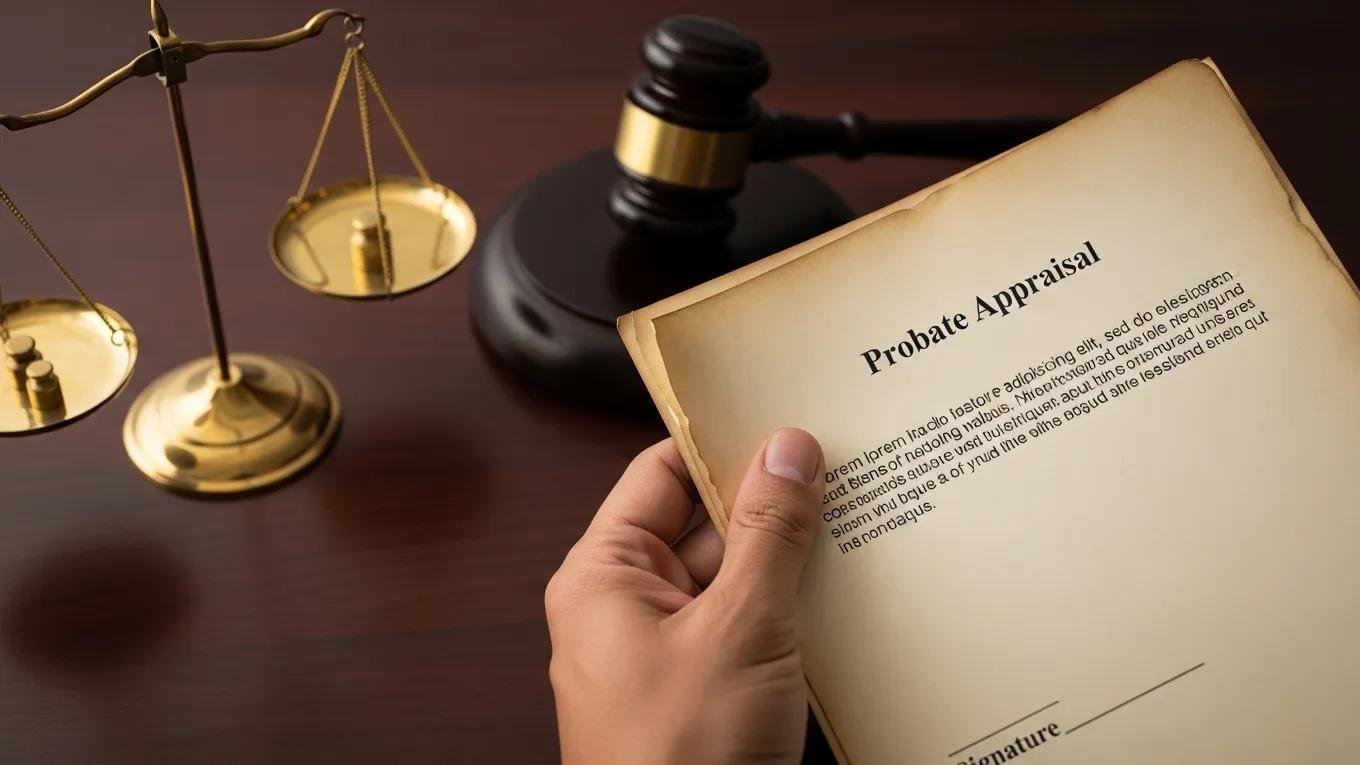
- Legal Compliance: Accurate appraisals are necessary to comply with state and federal laws regarding estate taxes and inheritance.
- Asset Division: They provide a basis for dividing assets among beneficiaries, ensuring fairness and transparency.
- Tax Implications: Proper valuations help calculate estate taxes owed and prevent potential legal issues or disputes.
Accurate Methods for Probate Property Valuation

Real Estate Valuation Methods Overview
The paper provides a brief overview of the methods used in real estate valuation.
Real estate appraisal: a review of valuation methods, V Assimakopoulos, 2003
- Sales Comparison Approach: This method compares the property in question to similar properties that have recently sold in the area, adjusting for differences to arrive at a fair market value.
- Cost Approach: This approach estimates the value based on the cost to replace the property, minus depreciation. It is particularly useful for unique or specialized properties.
- Income Approach: Often used for rental or investment properties, this method calculates value based on the property's income.
Best Practices for Executors
- Hire a Qualified Appraiser: Engaging a certified appraiser experienced in estate valuations is crucial to obtaining an accurate assessment.
- Prepare Documentation: Executors should gather all relevant documents, including property deeds, tax assessments, and previous appraisals, to assist the appraiser.
- Maintain Property Condition: Keeping the property in good condition can positively influence its appraisal value.
How to Request and Obtain a Professional Executor Real Estate Appraisal Service?
- Identify Qualified Appraisers: Research and select appraisers with credentials and experience in estate appraisals.
- Prepare Necessary Documentation: Gather all relevant property information and documentation to provide to the appraiser.
- Schedule the Appraisal: Contact the appraiser to schedule a visit and discuss any specific requirements or concerns.
Criteria for Selecting Qualified Estate Appraisal Services
- Qualifications of Appraisers: Ensure the appraiser holds relevant certifications and licenses.
- Experience in Estate Appraisals: Look for appraisers with a proven track record in handling estate valuations.
- Quality of Appraisal Reports: Review sample reports to assess the thoroughness and clarity of the appraiser's work.
What Is an Estate and Date-of-Death Appraisal? Understanding Key Concepts and Terminology
Defining Probate Property Valuation and Its Importance
- Date-of-Death Appraisal Significance: Establishing the value of assets as of the date of death is critical for tax calculations and compliance.
- Valuation Methods: Different methods can be employed to assess property value, each with its own advantages and limitations.
- Impact on Probate Process: Accurate valuations can streamline the probate process, reducing the likelihood of disputes among heirs.
Explaining Date of Death Property Valuation and Its Legal Role
- Legal Compliance: It ensures that the estate adheres to tax regulations and reporting requirements.
- Appraisal Process: Executors must follow specific procedures to obtain accurate valuations, including hiring qualified appraisers.
- Executor Responsibilities: Executors are responsible for managing the appraisal process and ensuring that all necessary documentation is completed.
How Does the Probate Appraisal Process Work for Executors? Step-by-Step Overview
- Requesting an Appraisal: Executors must formally request an appraisal from a qualified professional.
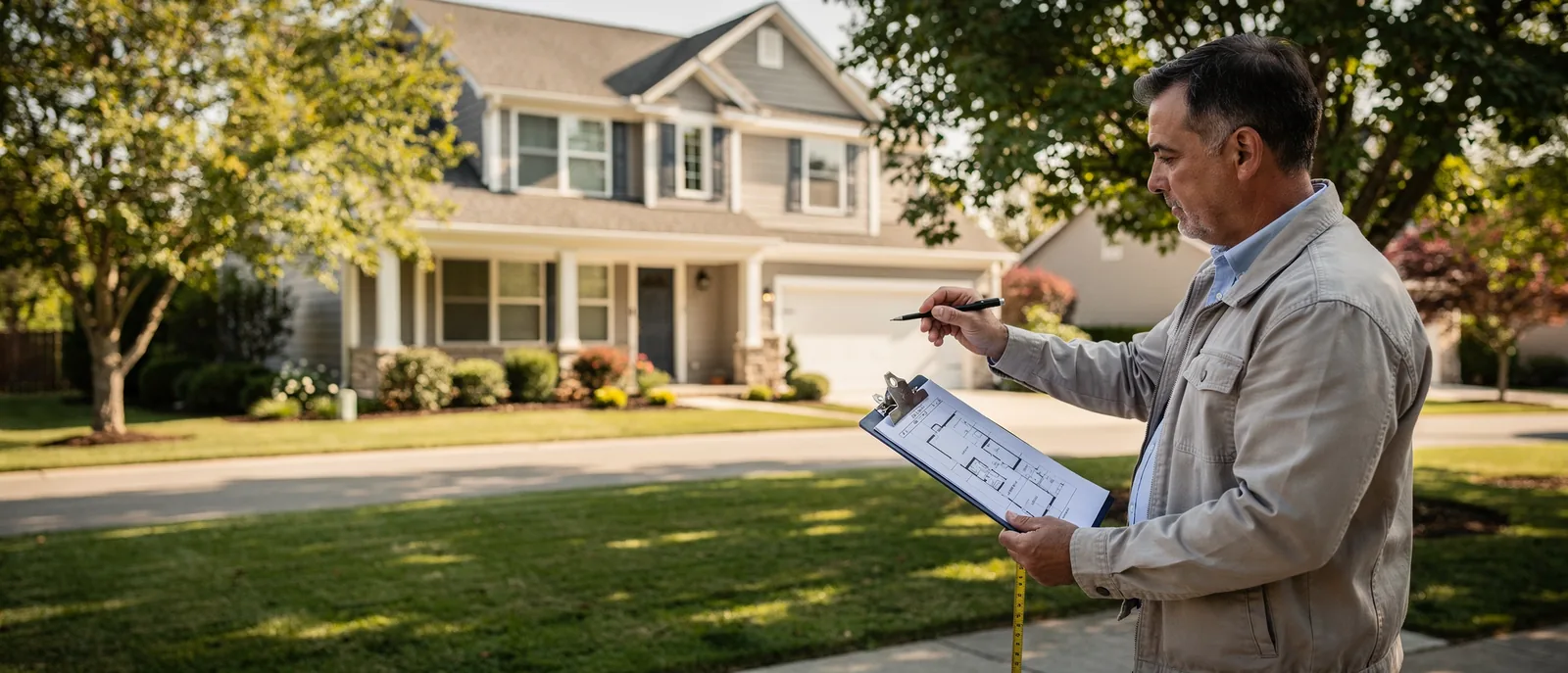
- Property Evaluation: The appraiser will evaluate the property, considering various factors such as location, condition, and market trends.
- Receiving the Report: Once the appraisal is complete, the executor will receive a detailed report outlining the property's value.
Executor Responsibilities in Ordering and Managing Real Estate Appraisals
- Ordering Appraisals: Executors must identify and hire qualified appraisers to conduct the valuations.
- Managing Documentation: They are responsible for ensuring that all necessary documentation is provided to the appraiser.
- Ensuring Compliance: Executors must ensure that the appraisal process adheres to legal requirements and standards.
Common Valuation Methods Used in Estate Asset Appraisals
Appraisal Valuation Methodologies
Appraisal valuation methodology where MRA may be justified, or the premise for the use of an alternative method
Mass appraisal methods: An international perspective for property valuers, M d'Amato, 2009
- Comparative Market Analysis: This method compares the subject property to similar properties that have recently sold.
- Cost Approach: This approach estimates the value based on the cost to replace the property, adjusted for depreciation.
- Income Approach: Often used for investment properties, this method estimates value based on the property's income.
What Are the Legal and Tax Implications of Estate and Date-of-Death Appraisals?
- Estate Tax Requirements: Accurate valuations are necessary for calculating estate taxes owed to the IRS.
- Compliance Standards: Executors must adhere to specific standards and regulations when conducting appraisals.
- Necessary Documentation: Proper documentation is essential to support the appraised value during tax assessments.
How Appraisal Reports Support Probate and Inheritance Property Settlements
- Establishing Fair Market Value: These reports provide a documented value that can be used in legal proceedings.
- Preventing Disputes: Accurate appraisals help mitigate potential disputes among heirs regarding asset distribution.
- Facilitating Transactions: Appraisal reports can streamline the sale or transfer of property within the estate.
How to Request and Obtain a Professional Executor Real Estate Appraisal Service?
- Identify Qualified Appraisers: Research and select appraisers with credentials and experience in estate appraisals.
- Prepare Necessary Documentation: Gather all relevant property information and documentation to provide to the appraiser.
- Schedule the Appraisal: Contact the appraiser to schedule a visit and discuss any specific requirements or concerns.
Criteria for Selecting Qualified Estate Appraisal Services
- Qualifications of Appraisers: Ensure the appraiser holds relevant certifications and licenses.
- Experience in Estate Appraisals: Look for appraisers with a proven track record in handling estate valuations.
- Quality of Appraisal Reports: Review sample reports to assess the thoroughness and clarity of the appraiser's work.
Steps to Submit an Appraisal Request and Expected Timelines
- Submitting Property Details: Executors must provide the appraiser with comprehensive information about the property.
- Property Evaluation Process: The appraiser will conduct a thorough evaluation, which may take several days to weeks.
- Receiving Appraisal Report: Executors can expect to receive the appraisal report within a specified timeframe, typically 1-2 weeks after the evaluation.