

Key Takeaways
- Coastal and shoreline residential appraisals in Connecticut require specialized valuation methods due to unique market dynamics.
- The sales comparison approach, market analysis, and evaluation of waterfront features are primary methods for valuing residential waterfront homes.
- Flood zone homes need appraisal considerations including flood designation, insurance cost impact, and regulatory compliance.
- Environmental factors like flood zones, elevation, water frontage, views, beach or water access, and flood insurance costs affect coastal property value and market demand.
- Certified appraisal reports comply with USPAP standards to meet lender requirements for residential coastal properties.
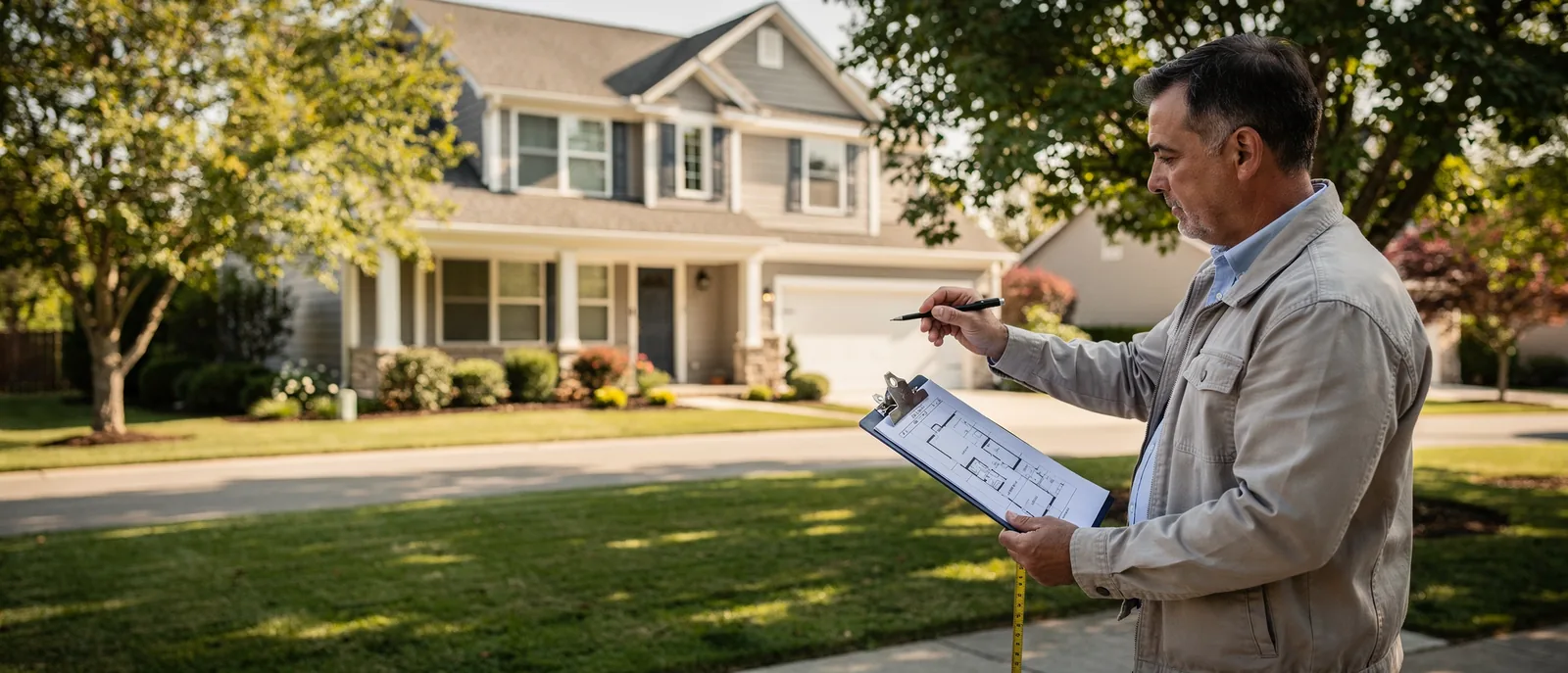
- Property owners should prepare for appraisals by gathering documentation, improving curb appeal, and allowing full property access.
- Heritage Valuation Group offers expert residential appraisal services in Connecticut and Florida with options for full interior or desktop appraisals.
Valuation Methods for Residential Waterfront Properties
- Sales Comparison Approach: Comparing the subject home with similar recently sold residential properties nearby. Adjustments are made for differences in features, location, and condition for fair market value.
- Market Conditions: The appraiser checks whether shoreline prices have been rising, flat, or falling and adjusts older sales if needed.
- Feature Assessment: Waterfront homes often have distinctive features such as docks, bulkheads, views, or water access that significantly impact value. Appraisers evaluate these carefully for accurate valuation.
Key Considerations for Flood Zone Residential Properties
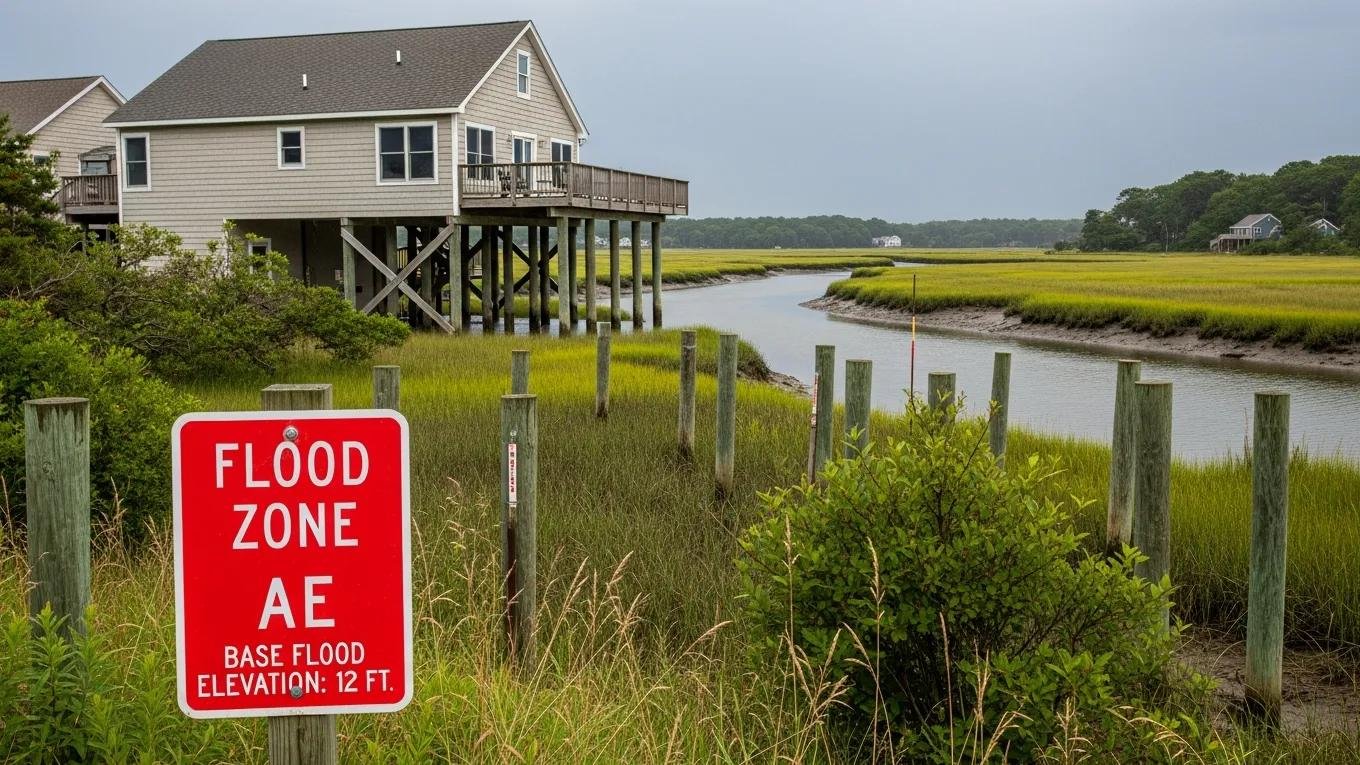
- Flood Zone Designation: Understanding the property's flood zone is critical, as it may affect insurance and regulatory requirements.
- Flood Insurance Costs: Higher insurance premiums for flood zone homes impact marketability and value; appraisers factor these into valuations.
- Regulatory Compliance: Compliance with local, state, and federal floodplain management rules is considered to ensure the property's standards are met.
Key Factors Influencing Coastal and Shoreline Residential Valuations in Connecticut
Environmental Elements Like Flood Zones and Erosion
Importance of Location and Property Type in Waterfront Home Appraisals
Appraisal Process for Flood Zone Compliance and Valuation
Steps for Flood Zone Residential Property Appraisals in Connecticut
- Request an Appraisal: Initiated by property owner or lender.
- Property Evaluation: Appraiser examines location, condition, and flood zone.
- Flood Zone Analysis: Flood designation and insurance impacts assessed and reflected in value.
Effect of Environmental Regulations on Coastal Home Valuation
Lender Appraisal Requirements for Residential Coastal Properties in Connecticut
Certified Appraisal Reports Meeting Lender Standards
Required Documentation for Shoreline Residential Real Estate Appraisals
- Property Deed: Ownership and boundary proof.
- Recent Tax Assessments: Property tax and assessed value info.
- Flood Zone Documentation: Flood zone status for insurance and regulatory purposes.
Shoreline Towns We Serve
Typical Costs and Preparation Steps for Waterfront Residential Property Appraisals
Preparation Steps for a Marine Residential Property Appraisal
- Gather Documentation: Provide deeds, tax records, and flood zone info.
- Enhance Curb Appeal: Make repairs or improvements to improve appearance.
- Provide Access: Allow full access for thorough evaluation.