

Key Takeaways
- Certified property valuation methods for residential properties include the Sales Comparison Approach, with the Income Approach applied to 2-4 unit rental properties, and the Cost Approach supporting new construction valuations.
- Appraisal fees depend on the home and assignment complexity; Heritage Valuation Group provides clear upfront quotes before starting work.
- Appraisal services ensure fair market value assessments critical for lending, buying, selling, and legal decisions on residential properties.
- The appraisal process involves a site visit typically lasting 30 to 60 minutes, followed by report delivery within a few business days; desktop appraisals can be completed faster as they require no interior visit.
- Certified real estate appraisers provide expertise and comply with industry standards to ensure reliable residential property valuations in Waterbury.
- Property owners can challenge appraisal results by reviewing reports, gathering evidence, and requesting their lender to reconsider the value.
- Choosing appraisers with local market knowledge and proper certification enhances valuation accuracy and trustworthiness.
- Heritage Valuation Group has a Waterbury, CT office and focuses exclusively on residential appraisals for single-family homes, condominiums, 2-4 unit properties, and land, offering full interior and desktop appraisal options.
Certified Property Valuation Methods

Cost Insights
Importance of Appraisal Services
What Are the Key Types of Residential Property Appraisals Offered in Waterbury, CT?
Residential Appraisal Services: Scope and Benefits
- Full interior appraisals: Comprehensive assessments involving property inspection that detail condition and features.
- Desktop appraisals: Expedited evaluations based on available data without an interior inspection.
How Does the Appraisal Process Work for Properties in Waterbury?
Step-by-Step Overview of Residential Appraisals
- Requesting an Appraisal: Initiated by the lender or property owner.
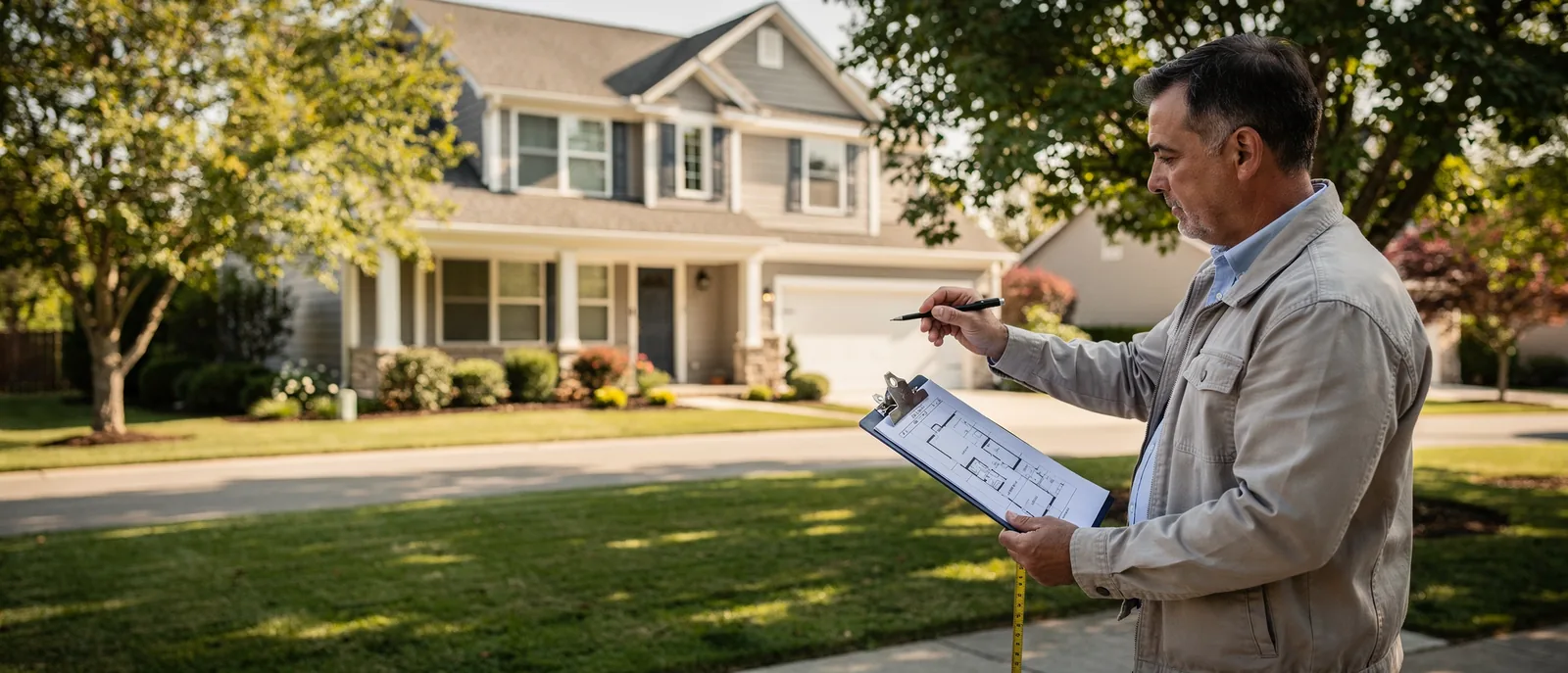
- Property Evaluation: Site visit to assess the property’s condition and features.
- Market Analysis: Research of comparable sales and market trends.
- Report Generation: Preparation and delivery of a comprehensive appraisal report.
Role of Certified Real Estate Appraisers in Ensuring Accuracy
What Are the Typical Costs and Turnaround Times for Home Appraisals in Waterbury, CT?
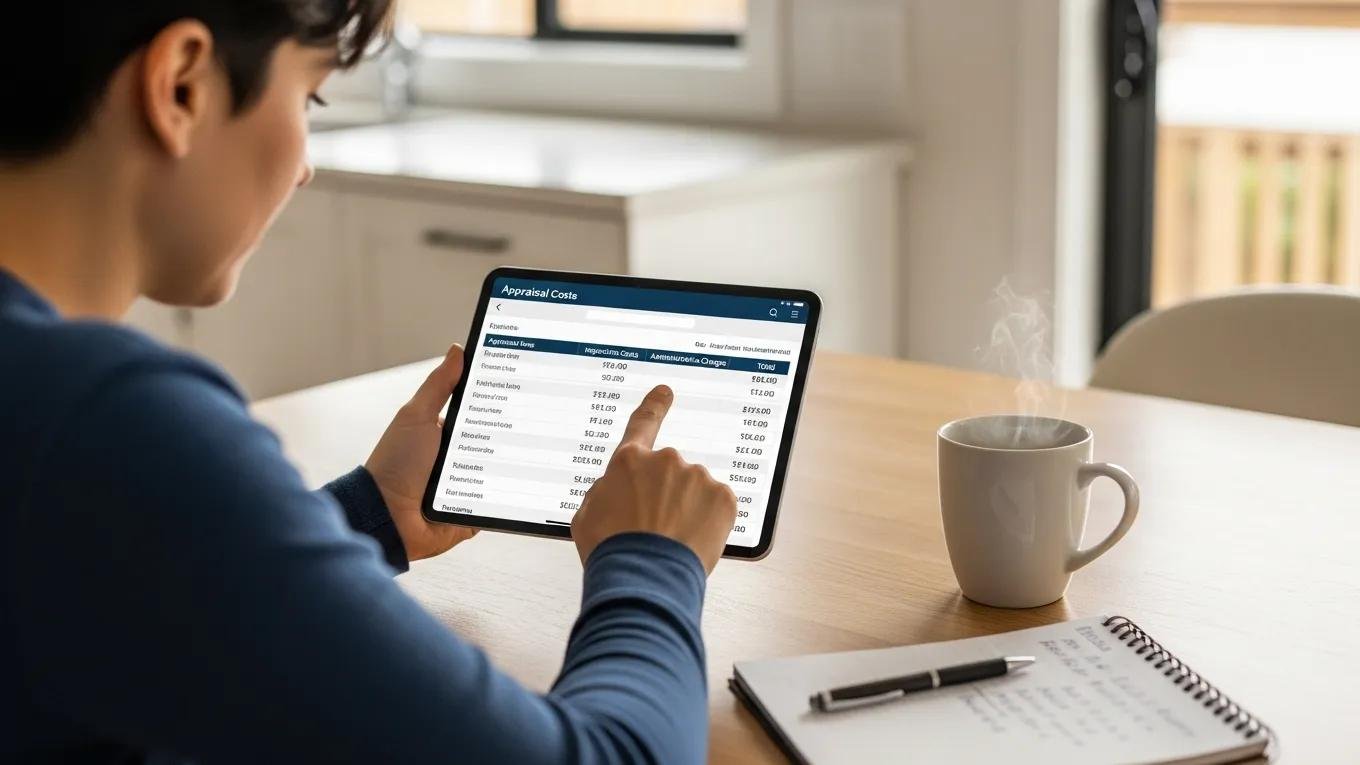
Factors Influencing Home Appraisal Costs in Waterbury
- Property Size and Type: Larger or more complex homes require additional appraisal effort.
- Location: Unique neighborhoods or micro-markets can add layers of valuation complexity.
How to Choose a Certified Real Estate Appraiser in Waterbury, CT?
- Qualifications and Certifications: Ensure the appraiser is licensed and certified in Connecticut.
- Experience: Choose an appraiser familiar with the local market and residential property types.
- Local Market Knowledge: A deep understanding of Waterbury’s neighborhoods improves valuation accuracy.
Qualifications and Certifications Required for Waterbury Appraisers
- Licensing: Completion of education requirements and passing a state certification exam.
- Experience: Fulfillment of supervised appraisal hours prior to full certification.
- Continuing Education: Ongoing training to stay current with industry standards and regulations.
Evaluating Appraiser Experience and Local Market Expertise
- Years of Experience: Greater experience often correlates with deeper market insight.
- Local Knowledge: Understanding regional trends and property values enhances valuation accuracy.
What Regulatory Standards Govern Property Appraisals in Connecticut?
- Licensing Requirements: Appraisers must comply with state education and experience provisions.
- USPAP Compliance: The Uniform Standards of Professional Appraisal Practice (USPAP) guides ethical and performance standards for consistent valuations.
How Can Property Owners Challenge or Review Their Appraisal Results in Waterbury?
- Review the Appraisal Report: Check the report carefully for any errors or inconsistencies.
- Gather Supporting Evidence: Collect recent comparable sales data or documentation of property improvements to support your case.
- Communicate with the Appraiser: Discuss concerns directly to clarify or potentially revise valuation.
- Request Reconsideration from Your Lender: If disagreements persist, ask your lender to reconsider the appraisal value with the supporting evidence.
Procedures for Disputing Property Valuations
- Initial Review: Identify specific concerns in the appraisal report.
- Documentation: Compile evidence supporting a different valuation.
- Reconsideration of Value: Submit your evidence and request reconsideration through your lender.