

+1 888 602 8322

hello@heritagevaluation.co

Comprehensive Guide to Appraisals for Home Purchases and Lender Submission

Catherine Hall, Certified Residential Appraiser
Family discussing home appraisal documents in a cozy living room

By Catherine Hall, Heritage Valuation Group

Appraisals are a key part of real estate transactions, especially for home purchases and lender submissions. Understanding the appraisal process helps buyers and sellers manage property values with confidence. This guide covers the appraisal's purpose, main steps, lender requirements, and best practices to avoid delays. It also discusses common challenges and what happens after an appraisal. After reading, you will have a clear understanding of appraisals and how they support successful transactions.

Key Takeaways

  • The appraisal process gives an unbiased estimate of market value needed for home purchases and lender financing.
  • Main appraisal steps include preparation, property inspection, market analysis, and report writing.
  • Lenders require certified appraisers, recent comparable sales, and thorough documentation for approval.
  • Clear communication, organized documents, and addressing repairs help avoid appraisal delays.
  • Common challenges include inaccurate comparables, condition misrepresentation, and market changes affecting value.
  • After appraisal, review the report carefully and dispute discrepancies if needed with evidence.
  • Mortgage appraisals protect lenders and buyers by confirming the property value covers the loan amount.
  • Appraisal reports include market analysis, condition assessment, and a final value estimate for informed decisions.
  • Appraisals differ from inspections, focusing on value, while inspections check physical condition and repairs.

Why the Appraisal Process Matters

An appraisal is an unbiased estimation of a home's market value. Buyers and lenders use it to confirm the purchase price reflects real worth. Lenders want to see the loan amount is supported by the property value, protecting their risk. Buyers avoid overpaying. The appraisal enables informed choices in real estate deals.

Steps in the Appraisal Process

Appraisals follow specific steps to ensure accuracy:

  1. Preparation: The appraiser collects details about the property, including location, size, and condition.
  2. Inspection: The appraiser visits and evaluates the home’s features and condition.
  3. Market Analysis: Comparable properties recently sold nearby are analyzed to estimate value.
  4. Report Writing: A detailed report is created summarizing findings and providing a final value estimate.

Heritage Valuation Group provides professional residential appraisal services in Connecticut and Florida for home purchases and lender submissions, delivering accurate and timely reports.

Lender Requirements for Appraisals

For purchase loans, lenders usually order the appraisal through an appraisal management company. The appraiser works for the lender, not the buyer or seller. Buyers typically pay for the appraisal at or before closing. Buyers cannot choose the appraiser but will receive a copy of the completed report. Lender requirements generally include:

  • Use of Recent Comparables: Appraisers must base value on recent similar sales nearby.
  • Certified Appraisers: Lenders require appraisers to hold proper licenses and credentials.
  • Complete Documentation: Detailed explanations of methods and data used in valuation must be included.

Heritage Valuation Group handles lender-ordered appraisals and also offers private appraisals for buyers or sellers seeking an independent value before or during a deal.

Best Practices to Avoid Appraisal Delays

To prevent delays in the appraisal, follow these tips:

  • Clear Communication: Make sure your agent or lender can quickly set up access to the home. On lender appraisals, appraiser independence rules limit who can try to influence the value, but you can share a list of updates and repairs.
  • Organized Documents: Have all required paperwork ready and well organized.
  • Proactive Repairs: Fix known issues before the appraisal to avoid negative impacts on value.

Common Appraisal Challenges

Some issues that can affect appraisal outcomes include:

  • Inaccurate Comparables: Using outdated or irrelevant sales leads to wrong valuation.
  • Condition Misrepresentation: Hiding property problems can lower appraisal value.
  • Market Changes: Sudden shifts in the local market may impact value unexpectedly.

ChallengeImpactMitigation
Inaccurate ComparablesOver or undervaluing the propertyShare recent nearby sales with your agent or lender if you request a reconsideration of value.
Condition MisrepresentationLower value or appraisal disputesDisclose all known issues honestly
Market ChangesUnexpected value swingsStay updated on local market conditions

Knowing these challenges helps buyers and sellers prepare and reduce problems during appraisal.

Post-Appraisal Steps

After an appraisal is complete, take these steps:

  1. Review the Report: Look carefully for accuracy and completeness.
  2. Dispute if Needed: If you find errors or disagree with the value, gather supporting evidence such as recent sales or improvements and discuss a reconsideration with the lender.

Mortgage Appraisal Process and Its Importance

A mortgage appraisal confirms that the property's value covers the loan amount requested. This protects lenders against lending more than the home’s worth, and protects buyers from overpaying. The process mainly uses the sales comparison approach, comparing similar recent sales.

Home Purchase Appraisal: What to Expect

For a home purchase appraisal, homeowners should:

  1. Prepare Documents: Gather property details and any records of improvements.
  2. Make Property Accessible: Ensure the home is clean, in good condition, and accessible for inspection.

Lender Requirements for Home Purchase Appraisals

Lenders follow appraisal standards and may add requirements based on loan type. These ensure the property meets financing criteria for the purchase.

Appraisal Report Structure and Interpretation

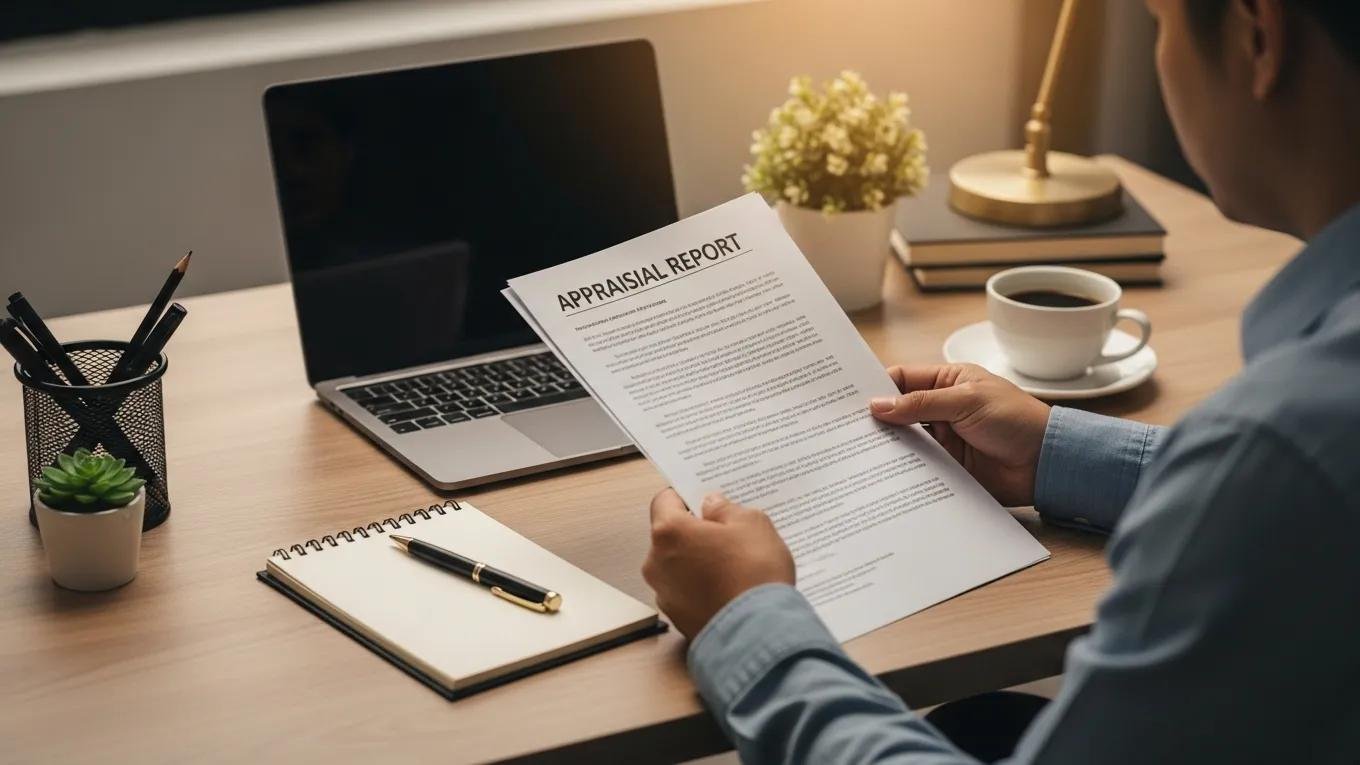
Appraisal reports present a thorough valuation. They typically include market analysis, condition assessment, and the appraiser's final value estimate. Knowing how to read these helps in making smart decisions.

What’s in a Typical Appraisal Report?

  • Market Analysis: Overview of comparable homes and market trends.
  • Condition Assessment: Detailed review of property condition.
  • Final Value Estimate: The appraiser’s concluded value.

How to Use an Appraisal Report in Home Buying

Buyers should pay attention to the comparables used, condition notes, and any concerns affecting value. Understanding the report guides price negotiations and financing.

Appraisal Costs and Timelines

Fees vary depending on the property and loan type and are disclosed upfront. The site visit usually takes 30 to 60 minutes. The full report is typically delivered within a few business days.

Difference Between Appraisals and Inspections

Appraisals estimate market value. Inspections assess physical condition and identify needed repairs. Both are important in home purchases but serve different purposes.

Key Differences Between Appraisal and Inspection

  • Purpose: Appraisals estimate value; inspections check condition.
  • Process: Appraisers review market data; inspectors examine the property physically.
  • Outcome: Appraisal report shows value; inspection report lists repairs.

How to Request a Home Purchase Appraisal from Heritage Valuation Group

To request an appraisal, provide property information and your contact details. Heritage Valuation Group will schedule the appraisal promptly for smooth processing.

Documents Needed to Start an Appraisal Request

  • Property details like location, size, and features.
  • Records of renovations or improvements.

Submitting an Appraisal Request Online

Use the Request an Appraisal form on our website, call +1 888 602 8322, or email hello@heritagevaluation.co.

This streamlined process helps clients get appraisal services quickly.

Frequently Asked Questions

What affects an appraisal's outcome?

Location, property condition, market trends, comparables used, and unique features all influence value. Being prepared helps improve results.

How can homeowners prepare for an appraisal?

Keep the home clean, well-maintained, and accessible. Make minor repairs and provide prior appraisals, tax assessments, and improvement documents. Point out notable features clearly.

What if the appraisal value is low?

Buyers can renegotiate the price, bring more cash to closing, or ask the lender for a reconsideration of value with better comparables. Heritage Valuation Group can assist with private appraisals for independent valuations.

Are there different appraisal types for different properties?

Heritage Valuation Group focuses on residential appraisals in Connecticut and Florida only. They do not provide commercial or industrial appraisals.

How long does the appraisal usually take?

The process takes several days to complete. The site visit is about 30-60 minutes, and the report is usually ready within a few business days, depending on workload and data availability.

Can you order your own appraisal?

For lender financing, the lender orders the appraisal. Buyers cannot choose the appraiser but will receive a copy of the report. However, Heritage Valuation Group offers private appraisals for buyers or sellers who want an independent opinion on value outside of lender assignments.

Conclusion

Understanding appraisals is important for buyers and sellers to get a clear, unbiased market value and make informed decisions. Following best practices and meeting lender requirements can prevent delays and problems. Heritage Valuation Group offers professional, timely residential appraisals in Connecticut and Florida to support your real estate transactions.

Contact Heritage Valuation Group

For expert residential appraisal services in Connecticut and Florida, contact Heritage Valuation Group at +1 888 602 8322 or email hello@heritagevaluation.co. Let us help you get an accurate home appraisal for your real estate needs.

Tags:

You May Also Like