

+1 888 602 8322

hello@heritagevaluation.co

Comprehensive Coastal & Shoreline Residential Property Appraisals in Connecticut: Accurate Valuation for Waterfront and Flood Zone Homes

Catherine Hall, Certified Residential Appraiser
Coastal waterfront property in Connecticut with clear skies and gentle waves

By Catherine Hall, Heritage Valuation Group

Coastal and shoreline residential properties in Connecticut come with unique appraisal challenges. Accurate valuation calls for specialized knowledge of flood zone factors, waterfront features, and lender requirements. This article explains key valuation methods, flood zone considerations, and services offered by Heritage Valuation Group. It covers factors affecting value, the appraisal process, and lender documentation standards focusing exclusively on residential properties like single-family homes, condos, 2-4 unit buildings, and land in Connecticut and Florida.

Key Takeaways

  • Coastal and shoreline residential appraisals in Connecticut require specialized valuation methods due to unique market dynamics.
  • The sales comparison approach, market analysis, and evaluation of waterfront features are primary methods for valuing residential waterfront homes.
  • Flood zone homes need appraisal considerations including flood designation, insurance cost impact, and regulatory compliance.
  • Environmental factors like flood zones, elevation, water frontage, views, beach or water access, and flood insurance costs affect coastal property value and market demand.
  • Certified appraisal reports comply with USPAP standards to meet lender requirements for residential coastal properties.
  • Property owners should prepare for appraisals by gathering documentation, improving curb appeal, and allowing full property access.
  • Heritage Valuation Group offers expert residential appraisal services in Connecticut and Florida with options for full interior or desktop appraisals.

Valuation Methods for Residential Waterfront Properties

Appraising waterfront residential properties requires special expertise due to unique attributes and market behavior. Main approaches include:

  1. Sales Comparison Approach: Comparing the subject home with similar recently sold residential properties nearby. Adjustments are made for differences in features, location, and condition for fair market value.
  2. Market Conditions: The appraiser checks whether shoreline prices have been rising, flat, or falling and adjusts older sales if needed.
  3. Feature Assessment: Waterfront homes often have distinctive features such as docks, bulkheads, views, or water access that significantly impact value. Appraisers evaluate these carefully for accurate valuation.

Key Considerations for Flood Zone Residential Properties
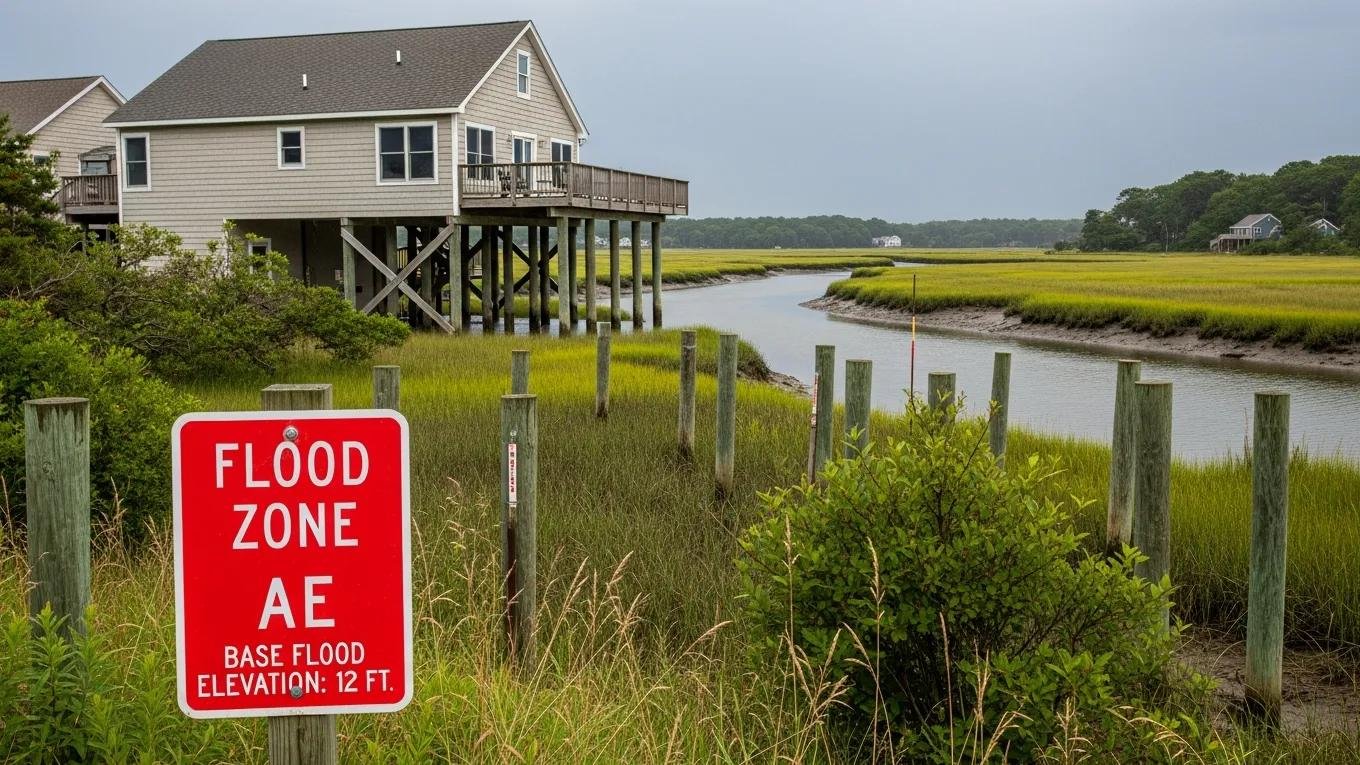
Residential properties in flood zones require extra attention in appraisal due to flood risk. Important factors include flood zone designation, flood insurance cost, and compliance with relevant regulations.

  1. Flood Zone Designation: Understanding the property's flood zone is critical, as it may affect insurance and regulatory requirements.
  2. Flood Insurance Costs: Higher insurance premiums for flood zone homes impact marketability and value; appraisers factor these into valuations.
  3. Regulatory Compliance: Compliance with local, state, and federal floodplain management rules is considered to ensure the property's standards are met.

Heritage Valuation Group specializes in residential appraisals for Connecticut and Florida coastal and shoreline properties, including flood zone complexities for reliable, defensible valuations.

Key Factors Influencing Coastal and Shoreline Residential Valuations in Connecticut

Environmental conditions, location, and property type are principal factors in determining coastal and shoreline residential property value.

Environmental Elements Like Flood Zones and Erosion

Flood zones and shoreline erosion can reduce demand and lower value by increasing risk and mitigation costs. Appraisers examine recent comparable sales to see how these factors affect market value.

Importance of Location and Property Type in Waterfront Home Appraisals

Location and property type determine desirability. Homes with direct waterfront access or notable features typically command higher prices. Appraisers reflect these in valuations.

Appraisal Process for Flood Zone Compliance and Valuation

The appraisal process for flood zone homes ensures regulatory compliance and value accuracy through defined steps.

Steps for Flood Zone Residential Property Appraisals in Connecticut

Process steps usually include:

  1. Request an Appraisal: Initiated by property owner or lender.
  2. Property Evaluation: Appraiser examines location, condition, and flood zone.
  3. Flood Zone Analysis: Flood designation and insurance impacts assessed and reflected in value.

Effect of Environmental Regulations on Coastal Home Valuation

Environmental regulations influence coastal residential values by reducing risk and enhancing marketability. Compliance is incorporated into valuations by appraisers.

Lender Appraisal Requirements for Residential Coastal Properties in Connecticut

Lenders require appraisals meeting standards to protect their investments.

Certified Appraisal Reports Meeting Lender Standards

Reports comply with the Uniform Standards of Professional Appraisal Practice (USPAP), including comprehensive value analysis based on comparable sales and regulations.

Required Documentation for Shoreline Residential Real Estate Appraisals

  • Property Deed: Ownership and boundary proof.
  • Recent Tax Assessments: Property tax and assessed value info.
  • Flood Zone Documentation: Flood zone status for insurance and regulatory purposes.

Shoreline Towns We Serve

Heritage Valuation Group proudly serves residential coastal communities including Greenwich, Stamford, Darien, Norwalk, Westport, Fairfield, Milford, New Haven, Branford, Guilford, Madison, Clinton, Old Saybrook, and Old Lyme.

Typical Costs and Preparation Steps for Waterfront Residential Property Appraisals

Costs vary by property size, location, and complexity. Heritage Valuation Group provides clear upfront quotes before starting work.

Preparation Steps for a Marine Residential Property Appraisal

Property owners should:

  1. Gather Documentation: Provide deeds, tax records, and flood zone info.
  2. Enhance Curb Appeal: Make repairs or improvements to improve appearance.
  3. Provide Access: Allow full access for thorough evaluation.

How Heritage Valuation Group Ensures Accurate, Trustworthy Shoreline Residential Appraisals

Heritage Valuation Group's state-certified residential appraisers follow USPAP and research shoreline sales closely, including how water frontage, views, elevation, and flood zone show up in what buyers actually paid.

Expertise in Residential Coastal Property Appraisals

The team understands the unique challenges of waterfront and flood zone residential properties and applies proven methods for precise appraisals.

Frequently Asked Questions

What challenges arise in coastal residential property appraisals?

Challenges include fluctuating markets, environmental risks like flooding and erosion, regulatory compliance, and evaluating unique waterfront features such as docks and water access. Appraisers carefully analyze local market and environmental factors for accurate valuation.

How can property owners increase their coastal home's value before appraisal?

Owners can improve curb appeal through maintenance, landscaping, painting, and minor repairs. Upgrades to docks or outdoor areas may add value. Providing maintenance records helps appraisers assess improvements.

What role does local development play in coastal residential home valuations?

Local development affects accessibility and desirability. Infrastructure and amenities may raise values, while developments impairing views or environment can lower desirability. Appraisers consider these in market analysis.

Are specific certifications required for residential coastal property appraisers in Connecticut?

Yes. Appraisers must follow USPAP and hold any required state licensure. Training in environmental and flood zone considerations is important for accurate, compliant residential appraisals.

How do seasonal changes affect waterfront home valuations?

Shoreline sales are often busier in spring and summer. Appraisers value the home as of the effective date using the best recent sales, and note any seasonal patterns that show up in the data.

Why is flood insurance important in coastal residential appraisals?

Flood insurance costs impact marketability and value. Higher premiums in flood-prone zones can deter buyers and lower values. Appraisers incorporate these insurance costs into their valuations.

How does technology improve the residential coastal appraisal process?

Appraisers use flood maps, MLS sales data, and public records to confirm flood zones, verify comparable sales, and document property features.

Conclusion

Understanding the complexities of coastal and shoreline residential property appraisals in Connecticut helps ensure accurate valuations and informed decisions. Applying specialized methods and considering flood zones, environmental factors, and market trends improve appraisal outcomes. Heritage Valuation Group is ready to provide expert guidance tailored to your waterfront home needs.

Request Your Coastal Connecticut Home Appraisal

Contact Heritage Valuation Group today to schedule a residential appraisal for your coastal or shoreline property in Connecticut. Our professional team offers clear, upfront quotes and thorough appraisals to help you understand your home's true value.

Tags:

You May Also Like