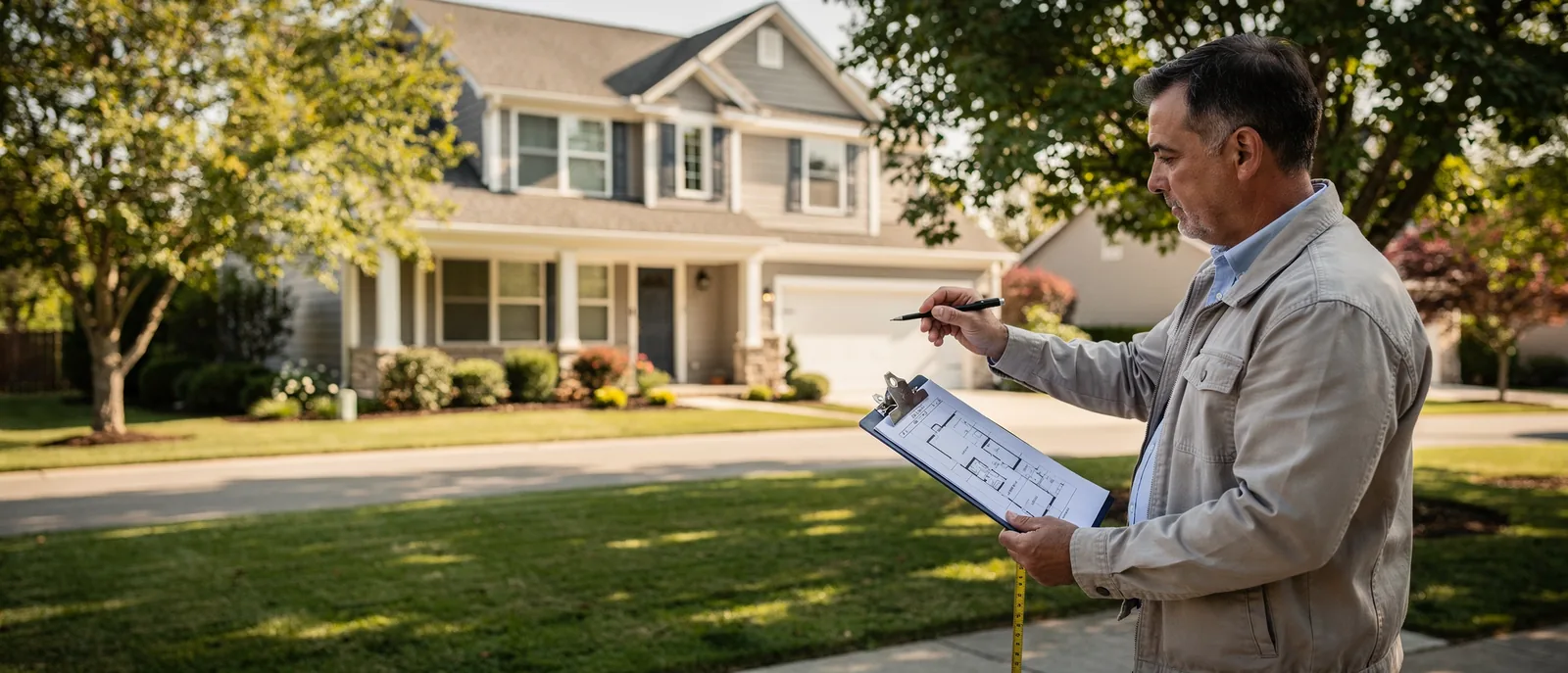
Condo & HOA Appraisals — Best Practices for Accurate Valuation and Market Analysis
By Catherine Hall, Heritage Valuation Group
Understanding condo and HOA appraisals matters for buyers and sellers alike. This article lays out practical best practices so appraisals reflect current market conditions. It explains the core methodologies, the principal factors that affect value, and the procedural steps for obtaining reliable assessments. Accurate appraisals are central to transactions, lending, and investment choices. The guide reviews the sales comparison approach, focused market analysis, and the role of professional appraisal services.
- Condo and HOA appraisals largely rely on the sales comparison approach, informed market analysis, and systematic condition assessment methods.
- Location, size, unique features, curb appeal, and prevailing market trends are major determinants of condo and HOA property appraisals.
- Accurate appraisals require careful preparation, clear documentation, unobstructed access to the property, and a good understanding of the appraisal report.
- Professional appraisers deliver reliable valuations by applying industry standards and local market expertise to condo and HOA properties.
- The appraisal process involves property inspection, systematic data collection, comparable sales analysis, and preparation of a complete report.
- Market trends and macroeconomicindicators—for example, interest rates and employment—directly influence condo values and buyer demand.
- HOA fees and the status of reserve funds affect property values by changing ownership costs and long‑term maintenance funding.
- Regulatory compliance and thorough appraisal certification support fair, consistent, and credible condo and HOA valuations.
- Emerging trends place growing weight on sustainability and energy efficiency when assessing condo and HOA value.
Reliable valuation rests on established methodologies. The primary approaches are the sales comparison approach, rigorous market analysis, and detailed condition assessment. Each delivers unique evidence that contributes to the final appraisal conclusion.
Sales Comparison Approach
The sales comparison approach evaluates the subject property against similar units sold recently in the same market. It relies on the principle of substitution: buyers typically choose the best comparable option at the lowest cost. Appraisers make adjustments for differences in features, location, and condition to estimate a defensible fair market value. This approach is most effective where there is an adequate pool of reliable comparable sales.
Academic work explores advanced techniques within the sales comparison approach to improve precision and flexibility in valuation.
Multi-Attribute Sales Comparison for Real Estate Valuation
This paper reviews procedures used worldwide for the sales comparison approach, including comparison by adjustments, hedonic regression, and hedonic price index methods. It proposes a combined multi-objective optimisation and multi-criteria decision analysis to enhance the versatility of property appraisals.
A multi-attribute sales comparison method for real estate valuation, 2020
Market analysis examines the economic and social drivers of property values. It reviews local supply and demand dynamics, shifts in buyer preferences, and historical price trends. Appraisers draw on local listings, sales records, and economic reports to form a clear market overview that supports valuation conclusions.
A thorough condition assessment examines the property’s physical state and how it affects value. The appraisal reviews structural integrity, systems performance, and overall aesthetic condition. Appraisers consider age, maintenance history, and any required repairs. Well‑maintained properties typically command higher values; poorly maintained units often show a valuation discount.
Factors Influencing Appraisals
Several primary factors shape appraisal outcomes: location, size and layout, unique features, curb appeal, and current market trends.
Location is a key value driver. Units in desirable neighborhoods with access to amenities, strong schools, and low crime rates generally achieve higher values. Proximity to public transport, shopping, and recreation adds appeal. Local supply and demand further shape how location affects value.
Size and layout strongly influence marketability. Larger units and well‑planned floor plans provide flexible living space and typically attract more buyers. Appraisers assess square footage, the number of bedrooms and bathrooms, and the overall flow. Efficient, thoughtfully designed layouts tend to enhance value; poorly designed spaces can lower it.
Research shows unit‑level attributes and building management quality are important determinants of condominium value.
Determinants of Condominium Market Value
This study analyses determinants of luxury condominium market value in Medan City by focusing on unit-specific physical attributes and building management quality. Rapid urbanisation, land scarcity, and vertical housing development have elevated the importance of condominiums in urban residential markets.
Determinants of Market Value of Luxury Condominium Units in Medan City, H Hartono, 2025
Distinctive features help a unit stand out from comparables. High‑quality appliances, energy‑efficient systems, and premium finishes can justify a price premium. Community amenities—pools, gyms, and clubhouses—also support HOA property value. Appraisers adjust for these attributes when estimating market value.
Curb appeal captures exterior condition and first impressions. Properties with maintained landscaping, fresh paint, and clean exteriors typically receive stronger appraisals. Simple exterior improvements can meaningfully improve perceived value.
Market trends drive property values over time. Macroeconomic indicators—interest rates, employment, and consumer confidence—shape buyer demand and pricing. Appraisers monitor these indicators to keep valuations current; for example, rising interest rates often reduce buyer activity and can lower values.
Best Practices for Accurate Assessments
To achieve reliable appraisals, follow key best practices: prepare the property, assemble thorough documentation, ensure accessibility, carefully review the appraisal report, and engage qualified professionals.
Prepare the property by addressing necessary repairs and improving presentation. Owners should consider painting, landscaping, and correcting visible defects. Documenting upgrades and renovations gives appraisers evidence that can positively influence value.
Gather relevant documents before inspection: prior appraisal reports, property tax assessments, and records of improvements. A simple checklist ensures the appraiser has the information needed to support a more accurate valuation.
Allow access to all areas of the unit, including basements, attics, and garages where applicable. Clear pathways and good lighting help the appraiser perform a complete inspection and produce a more precise valuation.
Understanding the Appraisal Report
Review the appraisal report closely. It documents findings on condition, market analysis, and the final valuation. Buyers and owners should note the appraiser's observations and recommendations to inform pricing and future improvements.
Engaging Professional Services
Using professional appraisal services brings clear benefits. Experienced appraisers apply local market expertise and recognized methodologies to produce accurate, defensible reports suitable for negotiations or disputes. Heritage Valuation Group specializes in condo and HOA appraisals and provides expertise to support the appraisal process.
What Are the Key Steps in the Condo and HOA Property Appraisal Process?
The appraisal process typically follows four stages: an initial property inspection, thorough data collection, analysis of comparable sales, and final report preparation. Each step builds the evidence needed for a reliable market value.
- Initial Property Inspection: The appraiser completes a detailed on‑site review, recording its condition, features, and any characteristics that may influence value.
- Data Collection: The appraiser compiles relevant information, including recent comparable sales, market trends, and key economic indicators.
- Analysis of Comparable Sales: Applying the sales comparison approach, the appraiser examines comparable transactions and makes adjustments to estimate the fair market value of the subject property.
- Final Report Preparation : The appraiser assembles findings into a clear report that documents the valuation process, the methods used, and the final appraised value.
How Is a Condo Appraisal Conducted to Ensure Accurate Market Value?
A condo appraisal follows a systematic workflow: a detailed inspection, collection of relevant comparables, evaluation of market trends, and a final report that explains the methodology and valuation rationale used to reach the conclusion.
What Does an Appraisal Report Include and How Is It Certified?
An appraisal report generally includes a description of the property, a market analysis, and the final valuation. The appraiser certifies the report, confirming the accuracy of the information and its compliance with industry standards. This certification provides assurance to lenders and buyers.
Which Real Estate Valuation Methods Are Most Effective for Condos and HOAs?
Commonly used valuation methods for condos and HOAs include the sales comparison approach, the cost approach, and the income approach. The sales comparison approach is typically preferred when reliable comparables exist. The cost approach estimates replacement cost, while the income approach assesses potential rental income. Method selection depends on the property’s circumstances.
How Do Market Trends Influence Condominium Market Analysis?
Market trends affect condominium valuations by shaping buyer demand and pricing. Economic indicators such as interest rates and employment levels influence buyer behavior and cause value shifts. Appraisers must stay informed so valuations reflect current market conditions.
What Role Do HOA Fees and Reserve Funds Play in Property Assessment?
HOA fees and reserve funds change the total cost of ownership. High HOA fees can reduce buyer interest, while well‑funded reserves signal proper maintenance planning and may support value. Appraisers factor these financial elements into their assessments of HOA properties.
How Do Regulatory Compliance Standards Affect Condo and HOA Appraisals?
Regulatory compliance sets the framework for consistent property assessments. Appraisers must follow local rules and industry standards to produce fair, auditable valuations. Compliance preserves the integrity of the appraisal process.
What Are the Current Appraisal Standards and Guidelines for Condos and HOAs?
Current guidance comes from regulatory bodies and industry organizations that promote consistent, transparent appraisal practices. Staying up to date with these standards helps appraisers maintain compliance and deliver dependable valuations for buyers, sellers, and lenders.
How Do Lenders and Financial Institutions Use Appraisal Reports for Decision Making?
Lenders and financial institutions use appraisal reports as an independent assessment of property value to inform lending limits and manage risk exposure. Accurate reports support prudent lending and investment decisions.
What Are the Best Practices for Requesting and Managing Condo and HOA Appraisals?
Good practice when requesting an appraisal includes hiring qualified appraisers, providing complete documentation, and ensuring full access to the property. Clear, timely communication with the appraiser helps the process run smoothly and improves the reliability of the valuation.
How Can Clients Effectively Request an Appraisal Service?
Clients should explain their needs clearly and provide complete property details, including recent improvements. Verify the appraiser’s qualifications and experience to ensure you receive competent professional service.
What Are Common Challenges in Condo and HOA Appraisals and How Are They Addressed?
Common challenges include a limited supply of comparable sales, distinctive features without close comparables, and volatile market conditions. Appraisers address these by conducting thorough research, applying multiple valuation methods where appropriate, and monitoring the market. Clear communication with clients helps manage expectations and resolve issues.
How Can Appraisal Reports Be Interpreted to Support Informed Real Estate Decisions?
Appraisal reports offer objective insight into value, market context, and investment potential. Reviewing the appraiser’s analysis and recommendations helps buyers and sellers make informed choices on pricing, offers, and negotiation strategy.
What Key Metrics Should Be Analyzed in an Appraisal Report?
Key metrics include the final appraised value, the comparables used, and prevailing market trends. Pay attention to the appraiser's comments on condition and any unique attributes that affect value—these elements guide sound real estate decisions.
How Do Appraiser Credentials and Report Certification Impact Report Reliability?
Appraiser credentials and certification directly influence report reliability. Certified appraisers have the training, oversight, and professional standards required to produce valuations that conform to industry practice. Clients should prioritize certified professionals to maximize report credibility.
What Emerging Trends and Updates Should Be Considered in Condo and HOA Appraisals?
Emerging trends include a stronger focus on sustainability and energy efficiency in valuation. Environmentally conscious buyers may value verified green features, and appraisers should reflect these preferences where relevant.
How Are 2024-2026 Market Trends Affecting Condo Valuations?
Developments between 2024 and 2026 affect condo valuations through economic recovery patterns, evolving buyer preferences, and changes in interest rates. Appraisers must analyze these trends to provide timely, accurate valuations.
What New Regulatory Changes Influence HOA Property Assessment Practices?
Recent updates emphasize financial transparency and improved reserve fund management to strengthen accountability and fairness in assessments. Appraisers should track these changes to ensure compliance and protect appraisal quality.
Frequently Asked Questions
What should homeowners do to prepare their property for an appraisal?
Homeowners should complete necessary repairs and make minor improvements, such as painting and landscaping. Documenting upgrades and renovations gives appraisers evidence that can support a stronger valuation. A well-prepared property typically receives a more favorable appraisal.
How can clients ensure they choose a qualified appraiser?
Verify credentials and experience. Choose certified appraisers with local market knowledge, ask for references, and review sample reports. Clear communication about the property and the expected scope improves the appraisal outcome.
What are the common challenges faced during condo and HOA appraisals?
Common challenges include differences among comparable sales, unique features with no direct matches, and shifting market conditions. Appraisers mitigate these issues through detailed research, use of multiple valuation methods, and continuous market monitoring. Effective client communication helps resolve potential problems.
How do appraisal reports support real estate decision-making?
Appraisal reports provide objective data on value, market trends, and investment factors. Analyzing the appraiser's findings and recommendations helps inform pricing, offers, and negotiation strategy.
What role do market trends play in the appraisal process?
Market trends shape buyer demand and pricing. Economic indicators such as interest rates, employment, and consumer confidence drive movements in property values. Appraisers must stay current to ensure assessments remain reliable.
How can homeowners effectively manage the appraisal process?
Homeowners should hire qualified appraisers, assemble relevant documents, and ensure complete access to the property. Sharing details of recent improvements and responding promptly to questions supports an efficient, accurate appraisal.
What emerging trends should be considered in condo and HOA appraisals?
Take sustainability and energy efficiency into account—verified green features can positively influence market value. Appraisers should capture these preferences when relevant.
Applying best practices for condo and HOA appraisals yields valuations that more accurately reflect market realities. Using established methodologies and engaging professional appraisers helps owners and buyers make informed decisions and achieve stronger investment outcomes. Staying current with market trends and regulatory updates further strengthens the accuracy of appraisals. Explore our resources to learn more about optimizing your appraisal process today.