Comprehensive Guide to Complex Residential Property Appraisals: Methods, Challenges, and Regulatory Standards
Appraising complex residential properties demands a deeper, more nuanced approach than standard home valuations. These assignments focus on custom-built and otherwise unique homes that don’t fit conventional market patterns. This guide walks through the primary appraisal methods used for complex residences, the practical challenges appraisers face, the regulatory standards that govern credible reporting, and the ways modern technology is changing valuation work. Whether you0are an appraiser or a property owner, understanding these elements helps improve accuracy, defensibility, and compliance in valuation outcomes.
- Complex residential appraisals call for tailored valuation methods that reflect the uniqueness of custom and specialty homes.
- The sales comparison, cost, and income approaches each illuminate different value drivers for complex properties.
- Common appraisal challenges include market swings, scarce comparables, and subjective valuation of bespoke features.
- Standards such as USPAP and applicable state rules establish ethical and technical expectations for credible appraisals.
- Certification from recognized bodies reinforces an appraisers expertise and supports professional trustworthiness.
- AI-powered analytics and other technologies are improving speed and precision in complex valuations.
- Digital reporting and structured data formats increase transparency and make findings easier to validate for clients and reviewers.
- Local conditions in Bradenton, Florida including environmental exposure and neighborhood character materially affect value conclusions.
- Collaboration with local real estate professionals and ongoing education are essential to producing accurate, compliant appraisals.
What Are the Key Residential Property Valuation Methods for Complex Properties?
Valuing complex residential properties requires methods that extend beyond routine appraisal techniques. The primary frameworks are the sales comparison approach, the cost approach, and the income approach; each is selected based on the propertys attributes and intended use.
How Does the Sales Comparison Approach Address Unique Home Valuation?
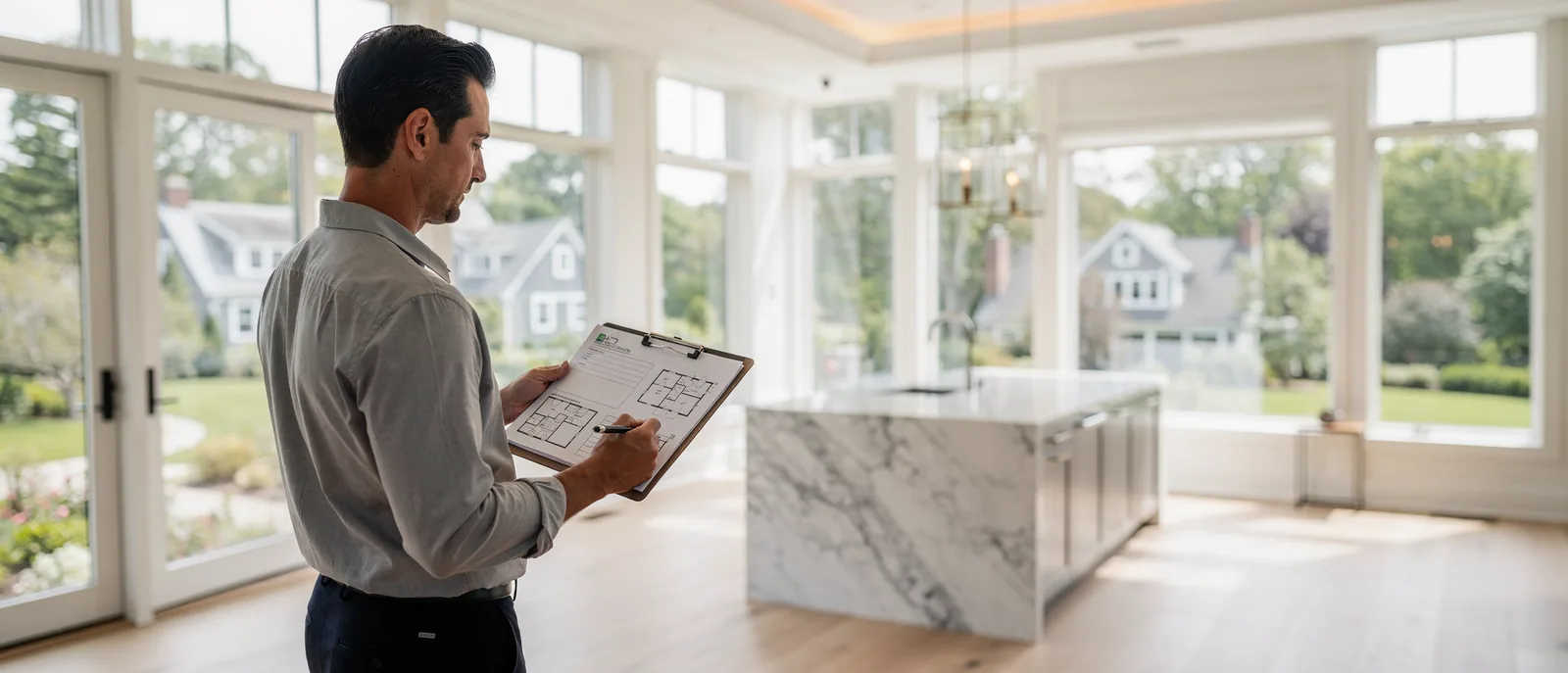
The sales comparison approach values a unique residence by benchmarking it against recently sold properties with similar characteristics. Success with this method depends on finding suitable comparables and making appropriate adjustments for differences in size, location, condition, and amenities. For a custom home with high-end finishes, an appraiser will select like-priced nearby sales and adjust for absent or differing unique features. The methods limitation is obvious: when comparable sales are rare or unique features carry subjective premiums, the analyst must document rationale and rely on conservative, supportable adjustments.
What Role Does the Cost Approach Play in Appraising Custom Homes?
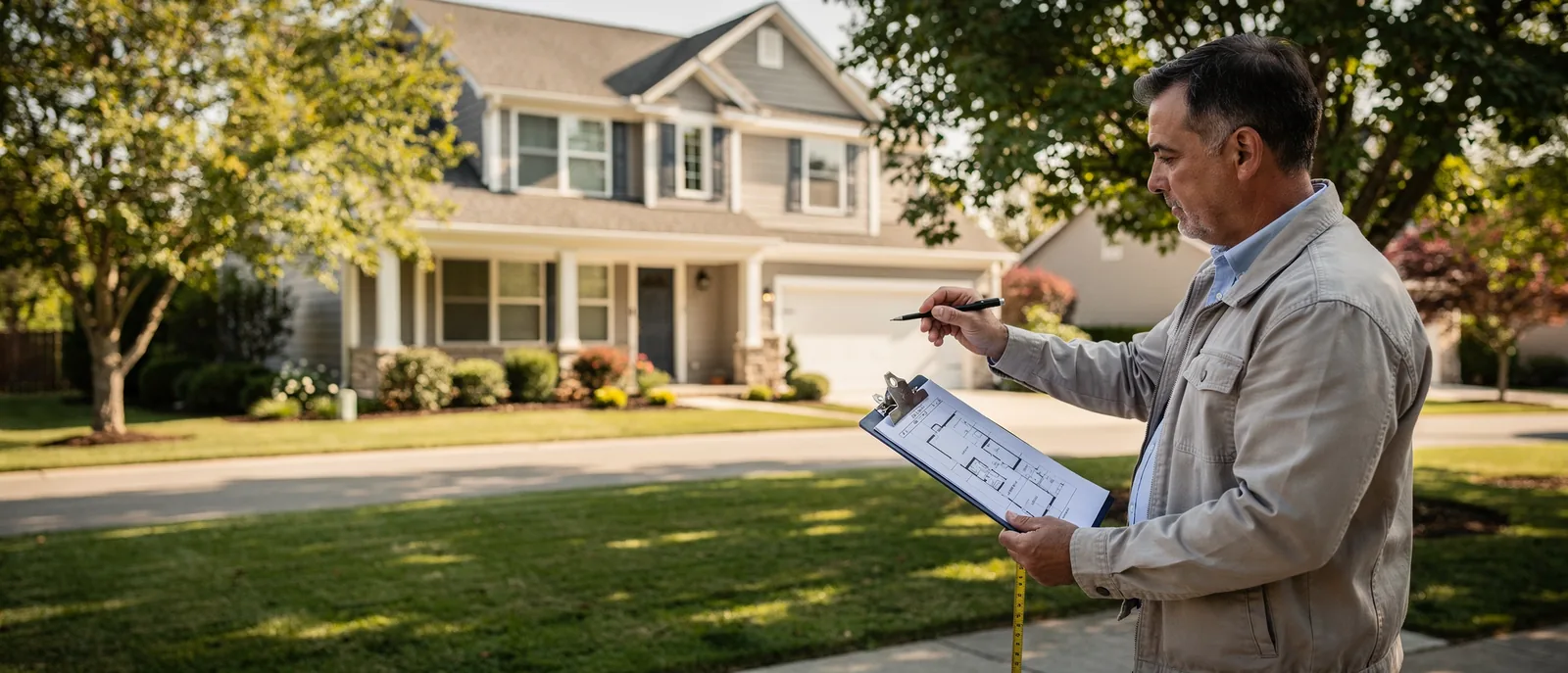
The cost approach is often critical for custom or recently built homes because it estimates replacement cost less depreciation, plus land value. Its especially useful when comparable sales are limited. For example, if constructing a custom home costs $650,000 and the land is valued at $200,000, the cost approach would initially indicate a $850,000 value before accounting for depreciation or functional obsolescence. Accurately estimating physical depreciation, economic obsolescence, and age-related loss is essential to avoid overstating value.
What Challenges Are Inherent in Appraising Complex and Unique Residential Properties?
Even with established methodologies, appraising complex properties presents practical challenges. Defining and quantifying unique features, keeping pace with volatile markets, and obtaining reliable comparable data are recurring difficulties that require careful judgment and thorough documentation.
Which Risk Factors Affect Accuracy in Complex Residential Property Valuations?
Key risk factors include market volatility, limited or imperfect comparables, and subjective assessments of distinctive features. Rapid market appreciation, for instance, can render recent sales less representative of present value. Mitigating these risks calls for comprehensive market analysis, conservative adjustments where comparables are weak, and clear explanation of assumptions and data limitations within the appraisal report.
How Can Appraisers Overcome Difficulties in Unique Property Feature Analysis?
Appraisers can address feature-analysis challenges by leveraging advanced analytics, maintaining extensive comparable databases, and consulting local market experts as needed. Practical steps include documenting the rationale for adjustments, using cost-based estimates when comparables are absent, and pursuing continuing education and peer collaboration to refine specialty valuation skills.
How Do Regulatory and Certification Standards Influence Complex Residential Property Appraisals?
Regulatory standards and certification requirements shape appraisal practice by defining ethical obligations, reporting expectations, and minimum competency. Familiarity with these standards is essential to producing defensible, compliant appraisal reports.
What Are the USPAP and State Guidelines Relevant to High Complexity Valuations?
The Uniform Standards of Professional Appraisal Practice (USPAP) sets the ethical and performance framework for appraisers, requiring credible, well-documented and supportable opinions of value. State regulations supplement USPAP with jurisdiction-specific licensing, reporting, and continuing education mandates. Failure to follow these standards can lead to disciplinary action and undermine an appraisers credibility, so adherence and careful documentation are non-negotiable.
Which Appraisal Certification Bodies Govern Residential Appraisal Specialists?
Organizations such as the Appraisal Institute and the American Society of Appraisers establish education and credentialing pathways for residential appraisers. Holding recognized certifications signals a commitment to professional standards, specialized training, and ongoing competency—factors that bolster client confidence and professional accountability.
Which Tools and Technologies Enhance the Accuracy of Complex Residential Appraisals?
Technology is reshaping appraisal workflows, providing data, analytics, and reporting tools that improve both speed and precision. Appraisers who integrate reliable software and data sources can produce clearer, more defensible opinions of value.
What Are the Latest Trends in Appraisal Software and Data Analytics for 2024-2026?
Current trends include AI-assisted data analysis, automated comparable selection, and enhanced geospatial analytics. These tools can process large datasets to surface market patterns, identify relevant comparables, and support correlation testing, all of which help refine a value conclusion. Successful adoption requires critical oversight: technology should inform, not replace, professional judgment.
How Do Digital Reports and Structured Data Markups Improve Appraisal Transparency?
Digital reporting and structured data improve transparency by presenting findings in standardized, machine-readable formats. Clear data tables, consistent labels, and organized narratives make it easier for clients, reviewers, and regulators to follow the appraisers reasoning. This clarity reduces misunderstandings, speeds reviews, and supports compliance with reporting standards.
What Market Trends and Case Studies Illustrate Complex Residential Property Valuation Practices?
Market trends and focused case studies provide practical examples of how appraisers solve valuation challenges for atypical properties. Studying these instances helps practitioners adapt methods to similar assignments.
Which Case Studies Demonstrate Solutions to Unique Custom Home Appraisal Challenges?
Case studies often document how interdisciplinary collaboration and targeted analysis resolve valuation issues. For example, an appraisal of a bespoke home with non-traditional architecture may require architectural input to explain construction quality and material value. By working with architects and other specialists, appraisers can substantiate higher value conclusions tied to unique design elements and premium materials.
How Are Recent Market Statistics Informing Residential Appraisal Accuracy and Compliance?
Recent market data highlight shifting buyer preferences and economic forces that influence value. For example, demand for energy-efficient upgrades or resilient construction can command price premiums in some markets. Appraisers who track such trends can adjust methodologies and assumptions so their opinions reflect current market drivers and remain compliant with professional standards.
Bradenton, Florida: Specific Considerations in Complex Residential Property Appraisals
Bradenton presents a coastal market with a mix of historic neighborhoods and newer developments, each bringing specific valuation considerations. Appraisers working in the area must account for local market nuances, environmental exposures, and community trends that influence value.
Local Market Dynamics and Neighborhoods
Bradentons neighborhoods from the Historic District to Palma Sola and Lakewood Ranch have distinct demand drivers. Historic properties may face preservation rules affecting use and renovation, while newer communities emphasize modern amenities and energy efficiency. Recognizing these differences is critical to selecting comparables and making appropriate adjustments.
Environmental and Regulatory Factors
As a Gulf Coast community, Bradenton properties face flood risk and hurricane exposure. Appraisers should factor in flood zone designations, mitigation measures, and related insurance costs when assessing value. Resources such as the Manatee County Floodplain Information are important references for locally relevant data that affect valuation conclusions.
Relevant Bradenton Resources for Appraisers and Property Owners
Using these local resources and accounting for Bradenton-specific factors helps appraisers deliver more accurate, context-aware valuations for complex residential properties.
Frequently Asked Questions
What additional factors should appraisers consider in coastal areas like Bradenton?
In coastal markets, appraisers must evaluate flood and storm risks, applicable building codes, and the costs and effectiveness of mitigation measures. Flood zone classification, insurance requirements, and recent resilience improvements can all affect marketability and value. Staying current with local mitigation projects and infrastructure investments is important for anticipating how risk factors may influence demand and pricing.
How do appraisers ensure compliance with local zoning laws?
To verify zoning compliance, appraisers should consult local zoning maps, speak with planning department staff when needed, and review property records for variances or special use permits. Understanding permitted uses and any restrictions helps determine highest and best use and prevents unsupported value conclusions. When zoning questions are material, documenting outreach to local authorities strengthens the appraisal report.
What role does market segmentation play in complex residential appraisals?
Market segmentation helps identify the specific buyer cohorts most likely to purchase a property, whether luxury buyers, downsizers, or second-home purchasers. Recognizing which segment dominates demand in a neighborhood shapes comparable selection and feature adjustments. Tailoring the analysis to relevant market segments produces more realistic value opinions.
Why is collaboration with other real estate professionals essential for appraisers?
Working with agents, developers, architects, and contractors provides practical market intelligence and technical detail that might not be apparent from public records alone. These relationships can surface off-market sales, upcoming developments, or construction quality insights that improve valuation accuracy. Networking and information-sharing strengthen the appraisers ability to deliver well-supported, market-aligned conclusions.
How can continuing education benefit residential appraisers?
Continuing education keeps appraisers current on evolving methods, regulatory updates, and emerging technologies. Workshops, courses, and certifications deepen technical skills and expose appraisers to new approaches for handling complex assignments. Ongoing learning ultimately enhances report quality, professional credibility, and regulatory compliance.
What specific appraisal challenges are faced in unique architectural designs?
Unique architectural designs often lack nearby comparables and may include materials or construction techniques that require specialist knowledge. Appraisers may need to document construction methods, consult architects or contractors, and use cost-based estimates to support value conclusions. A methodical, well-documented approach that draws on interdisciplinary expertise helps justify valuations for architecturally distinctive properties.
Accurately valuing complex residential properties requires a blend of specialized methods, disciplined analysis, and adherence to regulatory standards. By combining local market knowledge, modern analytics, and disciplined documentation, appraisers and property owners can achieve clearer, more defensible valuations. Stay informed about local conditions and leverage professional resources to improve appraisal outcomes. Learn how our appraisal expertise can help you navigate the complexities of unique residential valuations with confidence.