

Key Takeaways
- Neutral divorce property appraisals provide an objective valuation needed for fair division or buyouts during divorce proceedings.
- The appraisal involves property inspection, analysis of comparable residential sales, and review of market conditions.
- Valuation methods include the sales comparison and cost approaches, tailored for residential properties.
- Reports follow USPAP standards so attorneys and mediators can rely on them.
- Connecticut and Florida use equitable distribution to divide marital assets; appraisals inform this process but legal advice should come from your attorney.
- Costs depend on property size, location, and assignment scope, with Heritage Valuation Group providing clear upfront quotes.
- Typical turnaround includes a 30 to 60-minute site visit and a report delivered within a few business days.
- Both spouses should provide property access; the appraiser maintains neutrality without taking sides.
What Is a Divorce Property Appraisal and Why Is It Important?
Residential Property Appraisals for Divorce
How Appraisals Help Equitable Asset Division
How Does the Divorce Property Valuation Process Work?
Steps in the Divorce Property Appraisal Process
- Requesting the Appraisal: One or both spouses, often through legal counsel, request a residential property appraisal with Heritage Valuation Group.
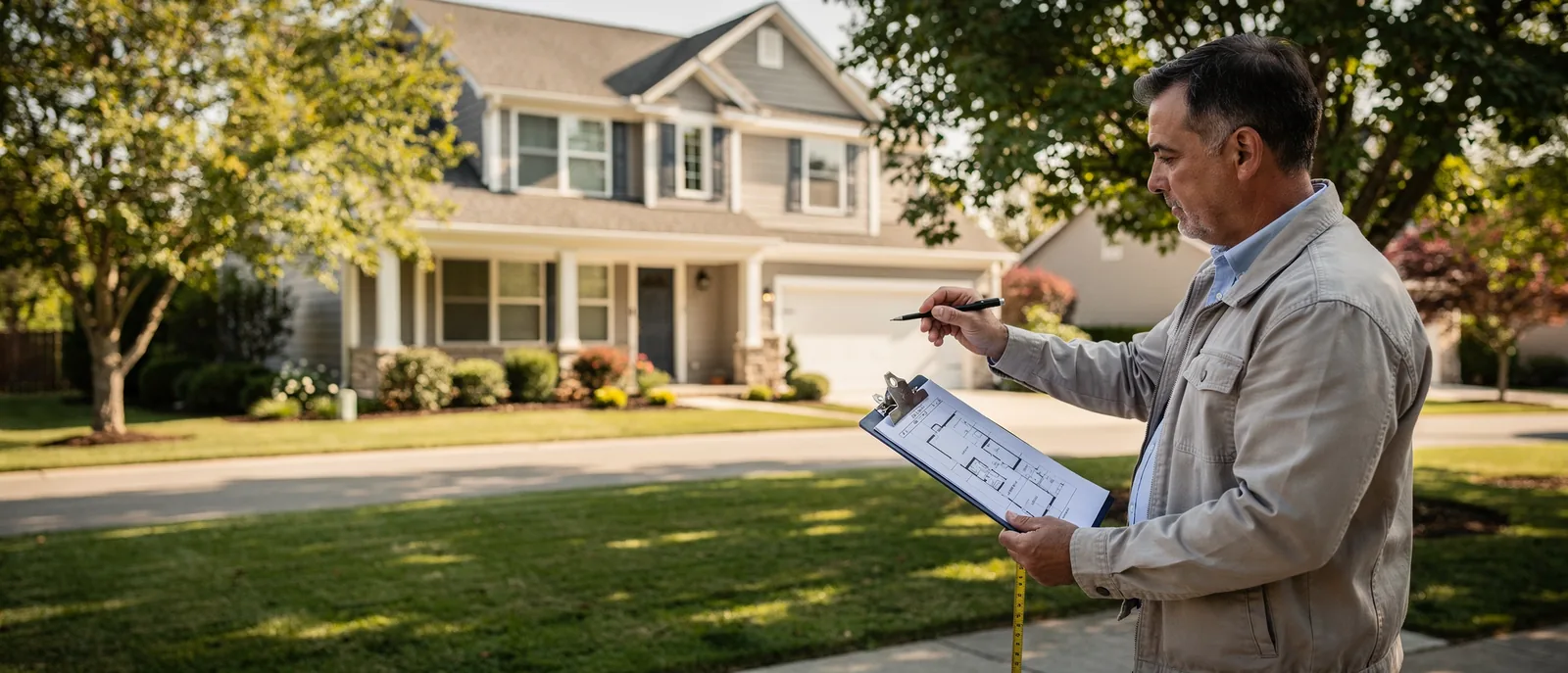
- Site Visit and Evaluation: Our appraiser performs a 30 to 60-minute on-site inspection to assess the property's condition and features, reviews recent comparable sales for the area, and examines current market trends.
- Delivering the Report: A detailed appraisal report is prepared and delivered typically within a few business days. The report provides a fair market value conclusion, explains methods used, and is shared with both parties and their representatives for negotiations or legal purposes.
Valuation Methods Suited for Residential Properties
- Sales Comparison Approach: Comparing the subject property to similar recently sold residential properties in the area, adjusting for differences.
- Cost Approach: Estimating the cost to replace or reproduce the property minus depreciation, useful for newer or specially built homes.
Legal Context and Standards for Divorce Appraisals
Reports Designed for Legal and Mediation Use
State Divorce Property Division
Choosing a Qualified Divorce Property Appraiser
Qualifications to Look For
- Licensing and Certification: The appraiser must hold all required licenses and certifications for Connecticut and Florida residential real estate appraisal.
- Experience with Divorce Appraisals: Look for familiarity with divorce cases, including knowledge of equitable distribution nuances.
- Local Market Expertise: Deep understanding of Connecticut and Florida residential markets ensures accurate comparable sales analysis.
Helpful Questions to Ask an Appraiser
- What is your experience with residential divorce property appraisals?
- How do you ensure neutrality in your valuations?
- Which valuation methods will you use for this property?
- How do you comply with USPAP and legal standards?