

+1 888 602 8322

hello@heritagevaluation.co

Comprehensive Hartford Residential Appraisals: Understanding Costs, Certified Appraisers, and Valuation Processes

Catherine Hall, Certified Residential Appraiser
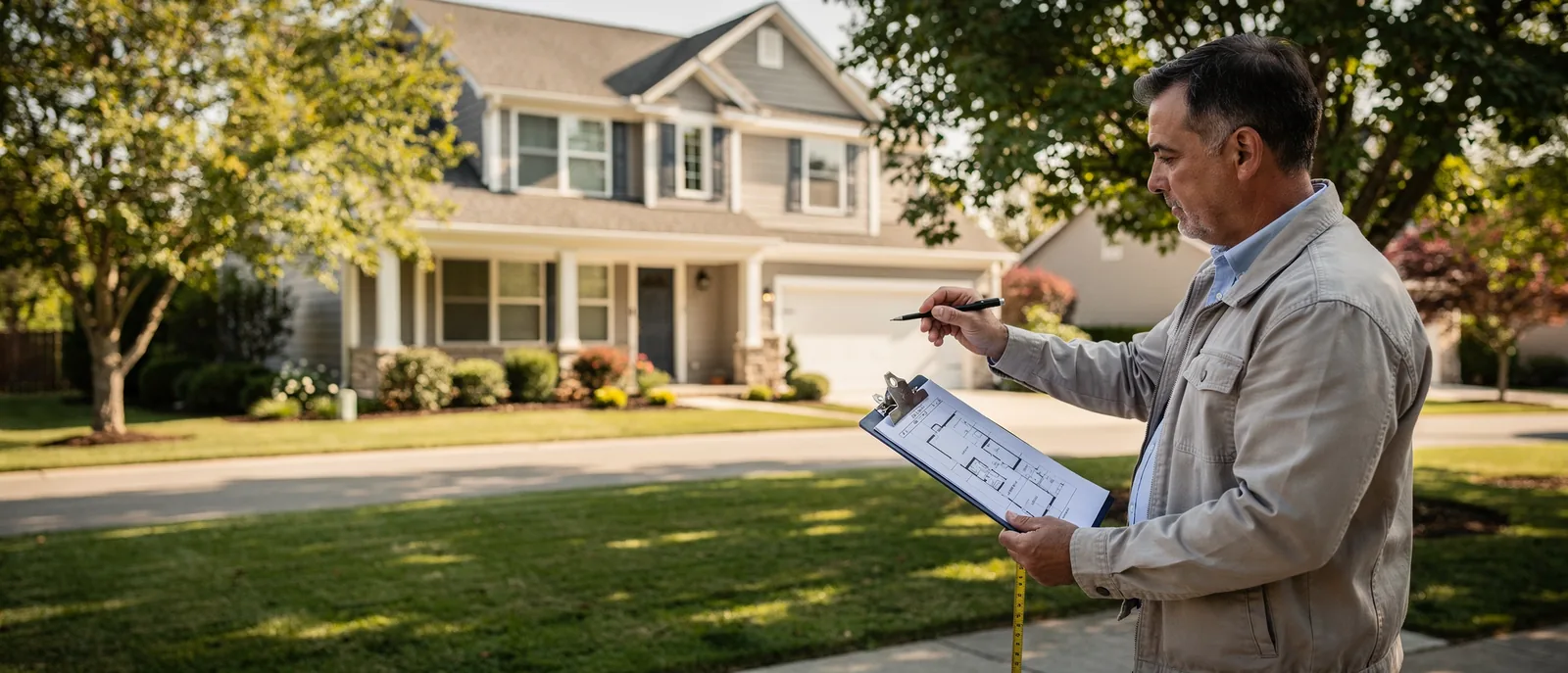
Certified appraiser evaluating a residential property interior

By Catherine Hall, Heritage Valuation Group

Residential appraisal procedures in Hartford involve specific steps and standards that are essential for homeowners, buyers, and real estate professionals. This article explains appraisal costs, the responsibilities of certified appraisers, and the valuation methods commonly used. It also outlines factors that affect appraisal outcomes and practical steps to prepare for an inspection. The content provides a clear overview of expectations when working with certified appraisers.

Key Takeaways

  • Hartford residential appraisals cover single-family homes, condos, 2-4 unit properties, and land, including full interior and desktop appraisal options.
  • Certified appraisers in Hartford follow USPAP standards to provide objective and credible property valuations.
  • The appraisal process includes property evaluation and report generation using sales comparison, cost, and income approaches.
  • Local market expertise improves valuation accuracy by considering neighborhood trends and economic indicators.
  • Homeowners should prepare documents like deeds and tax assessments to help the appraisal inspection.
  • Appraisals support real estate transactions by ensuring fair market value for buyers, sellers, and lenders.
  • Site visits usually take 30 to 60 minutes, and reports are typically delivered within a few business days.
  • Hartford appraisers hold state licenses and comply with federal and state regulations to ensure credible appraisals.
  • Understanding appraisal costs and processes helps clients make informed decisions in Hartford and surrounding areas.

Costs Involved

Appraisal fees vary depending on the property and the assignment's complexity. Factors such as home size, property type, location, and condition influence the time and expertise required. Heritage Valuation Group provides a clear upfront quote before starting work to help clients budget accordingly.

Role of Certified Appraisers

Certified appraisers deliver independent, evidence-based valuations that lenders and market participants rely on. They use professional standards and documented methods to produce defensible value conclusions.

Key aspects of certified appraisers include:

  1. Objective Valuations: Providing unbiased and independent assessments important for buyers and lenders.
  2. Compliance with Standards: Following USPAP standards to maintain credibility and defensibility.
  3. Market Knowledge: Possessing local market expertise to increase valuation accuracy.

Clients can contact Heritage Valuation Group to connect with certified appraisers experienced in Connecticut and Florida residential markets.

Valuation Processes Used

The appraisal process follows defined steps to ensure reliable results. These include the initial request, a thorough property evaluation, and preparation of a written report documenting findings and value estimates.

  1. Request for Appraisal: Homeowners or lenders begin by submitting a request.
  2. Property Evaluation: The appraiser inspects the property, considering location, condition, and comparable sales.
  3. Report Generation: The appraiser then compiles a detailed report outlining findings and estimated market value.

Common valuation methods in Hartford include:

  • Sales Comparison Approach: Comparing the subject property to similar recently sold homes in the area.
  • Cost Approach: Estimating value based on replacement cost minus depreciation.
  • Income Approach: Used for 2-4 unit rental properties, based on the rent they bring in.

Appraisers apply professional judgment and adjustments to reflect measurable differences between properties to ensure credible valuations.

Additional Considerations

Preparation significantly influences appraisal quality. Homeowners should gather documentation such as property deeds, tax assessments, and records of any recent renovations to help the appraisal process.

Appraisals serve various purposes including purchases, refinancing, estate matters, and tax related support, depending on the homeowner’s needs.

What Are Hartford Residential Appraisals and Why Are They Essential?

Hartford residential appraisals provide impartial market value estimates performed by licensed appraisers. They offer an objective basis for pricing, negotiation, and lending decisions.

Accurate appraisals help buyers avoid overpaying and enable sellers to achieve fair market value while providing lenders with documented valuation to reduce financing risk.

How Do Residential Appraisals Support Real Estate Transactions in Hartford?

Appraisals support transactions by providing market analysis and property condition assessments that inform pricing and lending. They consider relevant market data and comparable sales to produce reliable valuations that facilitate negotiations and protect all parties involved.

What Entities and Standards Govern Hartford Property Valuations?

Property valuations in Hartford must comply with state and federal regulations and professional standards to maintain appraisal credibility and legal defensibility.

Key regulatory bodies include:

  • State Appraisal Boards: Oversee licensing and regulation of Connecticut appraisers.
  • Federal Agencies: Such as the Federal Housing Finance Agency (FHFA), which sets guidelines for federally backed loans.

How Is the Residential Appraisal Process Conducted in Hartford?

The appraisal process follows a structured approach to deliver consistent valuations. Core steps include submitting property information, conducting an on-site inspection, and issuing a written report summarizing findings and value conclusions.

  1. Submit Property Details: Homeowners provide property information online or by contacting the appraisal group directly.
  2. Inspection: The appraiser physically inspects the property, assessing condition and features; this typically lasts 30 to 60 minutes.
  3. Report Generation: After inspection, a report with the estimated market value is prepared and delivered within a few business days.

What Documentation and Reports Are Generated During Appraisals?

The main deliverable is the written appraisal report outlining the appraiser’s analysis and estimated market value. Supporting documentation may include photographs and comparable sales data used in valuation.

  • Appraisal Report: Detailed findings and the estimated value.
  • Supporting Documents: Homeowners should have their deeds, tax assessments, and renovation records available to assist the process.

Who Are Certified Appraisers in Hartford CT and How Are They Qualified?

Certified appraisers are licensed professionals who meet required education, examination, and experience standards. They operate under strict ethical and professional guidelines that govern appraisal practice.

  • State Licensing: Appraisers must be licensed in Connecticut or Florida to conduct residential appraisals in those states.
  • Compliance with USPAP: All appraisals adhere to the Uniform Standards of Professional Appraisal Practice to ensure accuracy.

How Does Local Market Expertise Influence Appraisal Accuracy?

Local market knowledge is vital for accurate appraisals. Appraisers familiar with neighborhood trends and regional conditions provide valuations that better reflect market realities.

  • Neighborhood Trends: Considering local demand and price changes.
  • Economic Indicators: Including employment and housing supply factors.

Choosing an appraiser with specific Hartford market experience ensures more precise valuations.

What Factors Influence Home Appraisal Costs in Hartford?

Appraisal fees depend on factors such as property size, uniqueness, and current market conditions. These affect the time and expertise required for each assignment.

Areas We Serve Around Hartford

Heritage Valuation Group provides residential appraisal services in and around Hartford, including:

  • Hartford
  • West Hartford
  • East Hartford
  • Wethersfield
  • Newington
  • Glastonbury
  • Manchester
  • Bloomfield
  • Windsor

Our expertise covers single-family homes, condos, 2-4 unit properties, and land throughout Hartford County.

Frequently Asked Questions

What should I do to prepare my home for an appraisal?

Gather documentation such as property deeds, tax assessments, and records of any recent improvements. Make sure your home is clean and address minor repairs that affect its condition. Provide the appraiser with a list of upgrades to help ensure accurate valuation.

How often should I get a home appraisal?

Frequency depends on your goals. Generally, homeowners consider an appraisal every three to five years, before selling, refinancing, or after major renovations.

Can I challenge an appraisal if I believe it is too low?

You may ask your lender for a reconsideration of value by providing supporting comparable sales or documented improvements.

What is the difference between an appraisal and a home inspection?

An appraisal estimates market value based on analysis and comparable sales. A home inspection assesses the physical condition and identifies maintenance or safety issues. They serve different purposes.

How do I choose a certified appraiser in Hartford?

Choose an appraiser licensed in Connecticut or Florida with local market experience. Confirm adherence to USPAP standards and discuss their appraisal approach to ensure they meet your needs.

What factors can affect the accuracy of an appraisal?

Accuracy depends on the appraiser's experience, availability of quality comparable sales data, and completeness of property information. Local market trends and unique property features also influence the value.

What happens if my appraisal comes in lower than expected?

A lower appraisal may impact financing and negotiation. Review the report carefully, then work with your lender if you have additional evidence like comparables or improvements. A reconsideration may be requested based on new information.

Conclusion

Understanding Hartford residential appraisal procedures helps homeowners and buyers make informed and defensible decisions. Knowledge of costs, certified appraiser roles, and valuation methods supports effective transaction planning. Working with experienced professionals ensures accurate assessments that reflect true market value. Contact Heritage Valuation Group for tailored assistance with your residential appraisal needs in Connecticut and Florida.

Request a Hartford-Area Home Appraisal from Heritage Valuation Group

To schedule a residential appraisal or get a clear quote, contact Heritage Valuation Group today. We provide expert service for single-family homes, condos, 2-4 unit properties, and land throughout Connecticut and Florida.

Tags:

You May Also Like