

+1 888 602 8322

hello@heritagevaluation.co

Comprehensive Guide to 2-4 Unit Residential Appraisals for Accurate Property Valuation and Lender Compliance

Catherine Hall, Certified Residential Appraiser
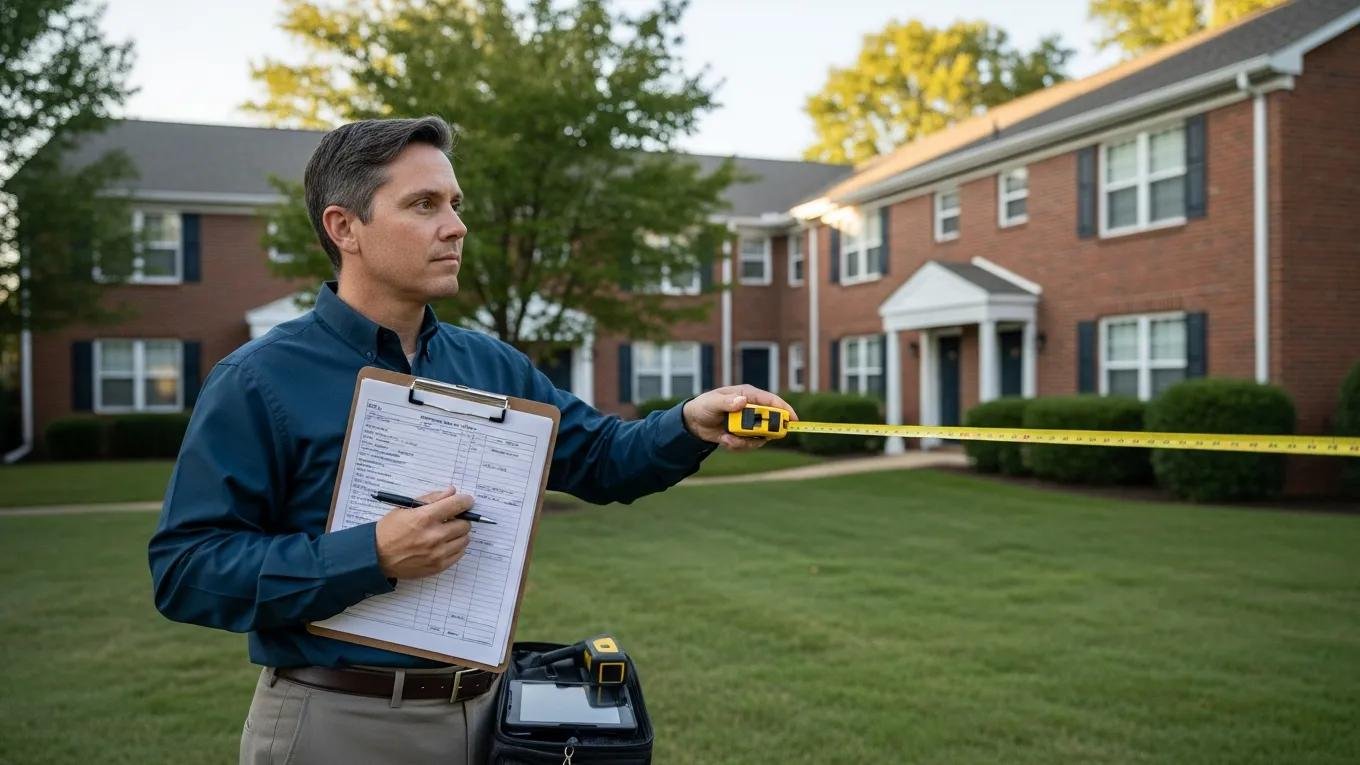
Professional appraiser assessing a multi-family property during the appraisal process

By Catherine Hall, Heritage Valuation Group

Accurate assessment of 2-4 unit residential appraisals is essential for investors, lenders, and real estate professionals. These appraisals establish the market value of small multi-family residential properties and materially affect investment choices and financing terms. This guide explains the definition, importance, and procedures for 2-4 unit appraisals, outlines factors that influence valuation, summarizes lender requirements, and clarifies report interpretation. The guidance herein provides a complete framework for understanding appraisal implications for valuation and lender compliance.

Key Takeaways

  • 2-4 unit residential appraisals determine market value for duplex, triplex, and fourplex multi-family properties.
  • Accurate appraisals are essential for investment decisions, lender financing, and fair property valuation.
  • The appraisal process includes property inspection of each unit, data collection, and detailed report preparation.
  • Key documents for appraisal include property deeds, rental agreements, including rent schedules, and comparable sales data.
  • Property condition, location, and income potential significantly influence the market value assessment.
  • The sales comparison approach is the primary valuation method; the income approach uses market rents and a gross rent multiplier for small multifamily properties.
  • Lenders often require appraisals using USPAP standards and expect rent schedules, commonly using Fannie Mae Form 1025 for the appraisal report and Form 1007 for the rent schedule.
  • Appraisal fees depend on property size and location; Heritage Valuation Group provides clear upfront quotes.
  • Site visits often take longer than a single-family appraisal because each unit is inspected; reports are typically delivered within a few business days.
  • Understanding appraisal reports helps owners make informed investment, financing, and property improvement decisions.

What Are 2-4 Unit Residential Appraisals and Their Importance?

2-4 unit residential appraisals are formal evaluations used to determine the market value of residential properties that contain two to four units. These appraisals provide an objective measure of a property's worth and are relied upon by lenders, investors, and homeowners. Precise appraisals support responsible financing and informed investment decisions by ensuring properties are valued fairly.

Heritage Valuation Group provides residential appraisals in Connecticut and Florida, including 2-4 unit properties, delivering precise and reliable valuations to clients.

Defining Duplex, Triplex, and Fourplex Properties

Duplex, triplex, and fourplex properties are small multi-family residential structures containing two, three, and four units, respectively. Each type has distinct physical and operational features that affect market value.

  • Duplex: A building with two separate living units, often sharing a common wall.
  • Triplex: A structure containing three distinct living spaces, which may be stacked or side-by-side.
  • Fourplex: A building with four separate units, typically designed to maximize rental income potential.

Clear identification of the property type is necessary for accurate valuation and selecting comparable sales.

Why Accurate Appraisals Matter for 2-4 Unit Residential Income Properties

Precise appraisals are critical because they:

  1. Support Investment Decisions: Investors depend on appraisals to evaluate potential returns and make informed purchases.
  2. Meet Lender Requirements: Lenders require accurate valuations to set appropriate financing amounts based on property worth.
  3. Ensure Property Valuation Accuracy: Accurate appraisals reflect true market value, aiding buyers and sellers during negotiations.

Understanding the importance of accurate appraisals helps all parties manage transaction risks and make data-driven choices.

How Is the Appraisal Process Conducted for 2-4 Unit Residential Properties?

The appraisal process for these properties follows clear steps to produce a defensible estimate of market value:

Step-by-Step Overview of the Appraisal Process

  1. Property Inspection: The appraiser inspects each residential unit whenever possible, noting condition, layout, and any special features.
  2. Data Collection: The appraiser collects information on recent sales of similar properties, market rental rates, and local real estate market trends.
  3. Report Preparation: The appraiser compiles a detailed report outlining the property�92s value, supported by evidence and analysis, including a rent schedule.

Each step ensures a thorough and accurate appraisal aligned with market realities.

Key Documents and Data Needed for 2-4 Unit Property Valuation

For an accurate appraisal, these documents and data are important:

  • Property Deeds: Legal documents proving ownership and property boundaries.
  • Rental Agreements: Current leases and a list of rents for each unit. The appraiser prepares the rent schedule (Form 1007) from these and from market rents.
  • Recent Improvements: A list of updates or repairs with dates.

Providing these materials in advance leads to better accuracy and faster report delivery.

What Factors Influence the Market Value of 2-4 Unit Residential Properties?

Several factors impact the market value for 2-4 unit properties:

Property Condition, Location, and Income Potential

  • Property Condition: Well-maintained units typically appraise higher; properties needing repairs may have reduced value.
  • Location: Access to jobs, transit, and services, plus nearby sales of similar properties, shape value.
  • Income Potential: The ability to generate rental income directly influences value; appraisers use market rents and gross rent multipliers to estimate this.

Appraisers weigh these elements carefully to produce an accurate value estimate.

Primary Appraisal Methods

For 2-4 unit residential properties, appraisers use the following methods:

  1. Sales Comparison Approach: The main method; compares the subject property to similar properties recently sold, adjusting for differences.
  2. Income Approach: Uses market rents and a gross rent multiplier to estimate value based on income generation.
  3. Cost Approach: Estimates value based on replacement cost minus depreciation, used as a cross-check.

Appraisers select and apply these approaches based on the property and available data.

Lender Requirements and Compliance for 2-4 Unit Appraisals

Lenders require appraisals that meet professional standards and include specific documentation.

USPAP Standards and Lender Expectations

Appraisals conform to the Uniform Standards of Professional Appraisal Practice (USPAP), ensuring ethics and quality. Lenders often require a rent schedule and appraisal on Fannie Mae�92s Form 1025, which is designed for small residential income properties.

Use of Appraisal Reports by Lenders

Lenders use the appraisal report to assess collateral value and risk. Key report components include:

  • Market Analysis: Overview of local real estate trends.
  • Condition Assessment: Detailed evaluation of property condition, including all units.
  • Final Value Estimate: The appraiser�92s conclusion about market value based on all data.
  • Rent Schedule: Usually presented on Form 1007, showing rent amounts and lease terms.

These help lenders align loan amounts with property value and rental income.

Appraisal Fees and Turnaround Times for 2-4 Unit Properties

At Heritage Valuation Group, appraisal fees vary based on property size, location, and complexity. We provide clear upfront quotes with no surprises.

Site visits for 2-4 unit properties generally take longer than single-family appraisals because each unit is thoroughly inspected. Reports are typically delivered within a few business days after the site visit.

How to Interpret and Use Your 2-4 Unit Appraisal Report

Understanding your appraisal report helps in making smart decisions about your property.

Key Metrics Explained

  • Market Analysis: Insights into local housing trends affecting value.
  • Condition Assessment: Details on the state of each unit and overall property.
  • Final Value Estimate: The appraised market value based on analysis.
  • Rent Schedule: Documentation of current rents supporting the income approach.

Actionable Steps Based on the Report

  • Maintain or Improve Property Condition: Keeping units in good shape supports value.
  • Keep Accurate Records: Document rental agreements and improvements for future appraisals.
  • Plan Financing or Investment: Use the report to guide decisions about loans or sales.

Compliance and Next Steps

Ensure the report meets lender requirements, including USPAP compliance and inclusion of rent schedules. After receiving your appraisal, review it carefully and consider consulting with real estate professionals if needed.

Frequently Asked Questions

What qualifications should an appraiser have for 2-4 unit residential properties?

Appraisers should be licensed or certified in their state, with experience in multi-family residential valuations. Local market knowledge is important for accuracy.

How can property owners prepare for an appraisal?

Owners should ensure the property is clean, accessible, and well maintained. They should gather property deeds, rental agreements with rent schedules, and maintenance records, and be available to answer the appraiser�92s questions.

What is the difference between a market value appraisal and an assessed value?

A market value appraisal estimates the likely sale price using current sales and market conditions. An assessed value, usually set by local authorities for tax purposes, may not reflect current market prices.

What role do comparable sales play in the appraisal process?

Comparable sales provide benchmarks for market value. Appraisers select similar recently sold properties to adjust for differences and ensure the appraisal matches current market conditions.

How often should property owners get their multi-family properties appraised?

Owners should consider getting appraisals every few years or after significant market shifts, major property improvements, or changes in rental income. Regular appraisals help with refinancing, sales, or lender requirements.

What should property owners do if they disagree with their appraisal report?

Owners can ask their lender for a reconsideration of value, providing supporting sales and rent data. Reviewing the report carefully and consulting real estate professionals can guide this process.

Conclusion

Understanding 2-4 unit residential appraisals is key to making sound investment and financing decisions. Accurate appraisals by Heritage Valuation Group reflect true market value and meet lender standards in Connecticut and Florida. Using appraisal reports effectively supports smart property management and financial planning.

Request Your 2-4 Unit Residential Appraisal Today

Contact Heritage Valuation Group to schedule a professional appraisal for your 2-4 unit residential property in Connecticut or Florida. We provide clear quotes and prompt, reliable service.

Phone: +1 888 602 8322Email: hello@heritagevaluation.co

Tags:

You May Also Like