
Garage conversions, enclosed porches, finished basements, and added bathrooms are common, and so is skipping the permit. That missing paperwork can come back when you sell, refinance, or need an appraisal for an estate or divorce. Here is how appraisers treat unpermitted work and what you can do about it.
Key Takeaways
- Appraisers note unpermitted work and consider how the market treats it, not just whether it exists.
- Lender guidelines generally require the appraiser to comment on the quality and effect of unpermitted additions.
- Space that does not match the rest of the home in quality, or lacks heating, may not count as living area.
- Finished basements are generally reported separately from above-grade living area.
- Getting work permitted after the fact can remove a buyer objection and simplify the appraisal.
Common Unpermitted Work
- Garage converted to a bedroom or family room, common in Florida
- Enclosed porches and Florida rooms
- Finished basements and attics, common in Connecticut
- Added bathrooms or kitchens, including in-law suites
- Additions built by a previous owner
How Appraisers Handle It
An appraiser reports what is there and how the market treats it. Several questions matter:
- Is the work of similar quality to the rest of the home?
- Is it heated, cooled, and finished like the main living area?
- Does it flow with the rest of the house?
- Do buyers in this market pay for similar space without permits?
Lender guidelines generally require the appraiser to comment on unpermitted additions, their quality, and any effect on value. For private appraisals, such as estates or divorce, the appraiser still describes the space and explains how it was treated.
| Space | Common treatment |
|---|---|
| Garage conversion | May count as living area if finished and conditioned like the home; loss of garage is also considered |
| Enclosed porch or Florida room | Often valued separately unless fully finished and conditioned |
| Finished basement | Reported separately from above-grade living area |
| Extra bathroom | Considered for its contribution, with comment on permit status |
| In-law suite or kitchen | Considered for its market appeal and any zoning issues |
Why It Matters to Value
Unpermitted work can raise questions about safety, insurance, and future costs. Some buyers will discount for it, and some lenders may require changes. In other markets, buyers accept it as long as the work is solid. That is why the appraiser looks at local sales rather than applying a fixed rule.
Fixing Permit Problems
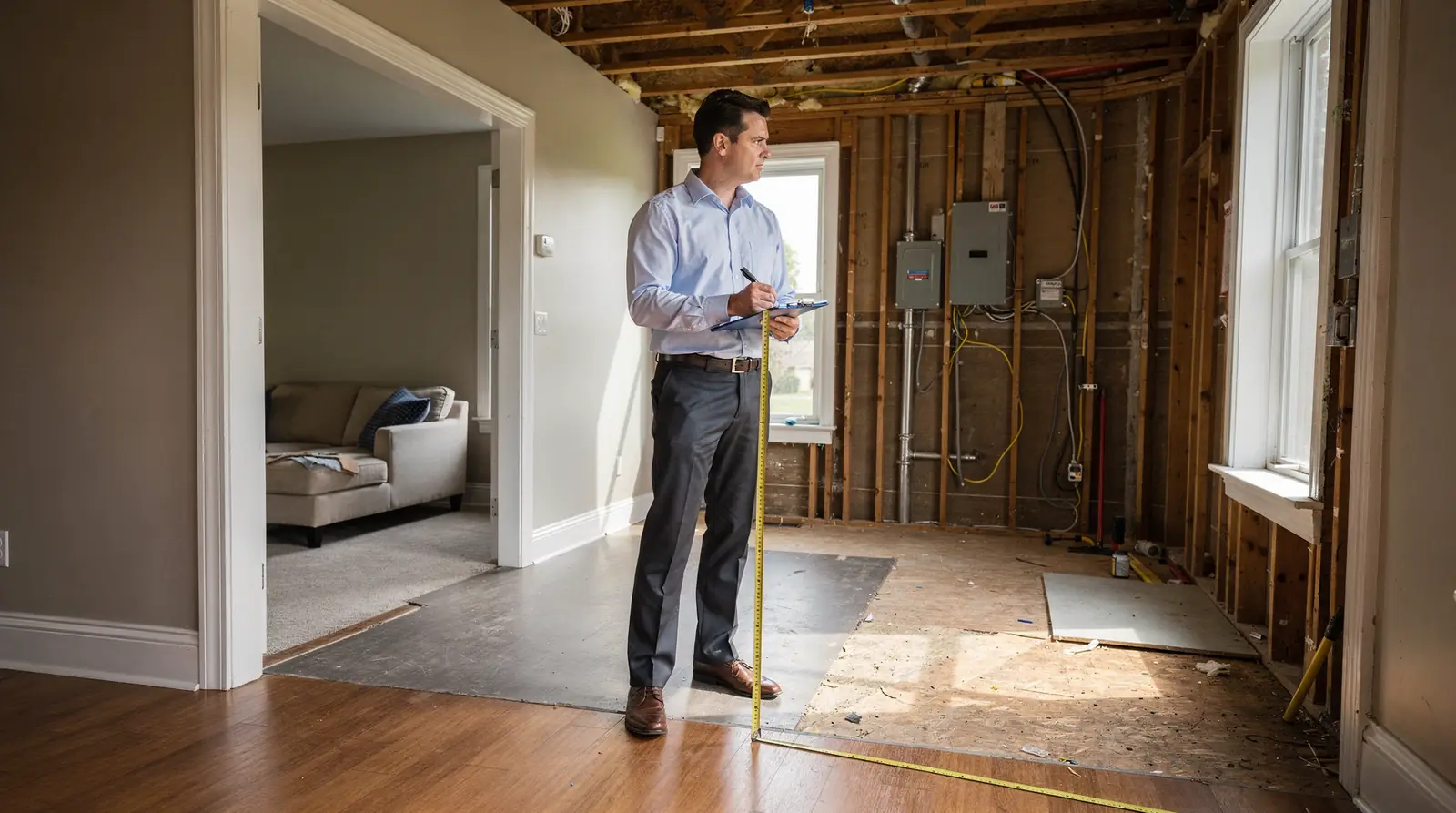
Many building departments allow permits after the fact. The process may require opening walls for inspection or making corrections. Getting work permitted before selling can remove a buyer objection and make the appraisal simpler. Check with your local building department in Florida or Connecticut for the process and requirements.
Florida and Connecticut Notes
In Florida, garage conversions and enclosed patios are frequent, and hurricane code requirements for windows and roofs make permit history more important. In Connecticut, finished basements and attics are common, and older homes may have work done decades ago without records. See how to avoid appraisal problems and preparation tips.
How Heritage Valuation Group Can Help
We appraise homes with additions and conversions across Florida and Connecticut, and we document how each space was treated. Catherine Hall has appraised homes since 1993 and comes from a three-generation appraisal family. She is based in Palmetto and works throughout Florida, and her daughter, Madeline Hall, appraises alongside her in both states. We focus only on residential property and work directly with each client.
Related: pre-listing appraisals, estate appraisals, and divorce appraisals. See our Florida and Connecticut service overviews.
Frequently Asked Questions
Will unpermitted work lower my appraisal?
It depends on the quality of the work and how buyers in your market treat it. The appraiser looks at local sales and explains the treatment.
Does a garage conversion count as living area?
It can if it is finished, heated, and cooled like the rest of the home. The loss of the garage is also considered.
Is a finished basement part of square footage?
Finished basements are generally reported separately from above-grade living area, though they still contribute to value.
Can I get a permit after the work is done?
Many building departments allow it. Check with your local office for requirements.
Should I tell the appraiser about unpermitted work?
Yes. Honest information helps the appraiser describe the home accurately and avoids surprises later.
How do I get started?
Call 888-602-8322 or use the request form. Tell us the address, property type, and purpose, and we will send a clear quote before any work begins.
Conclusion
Unpermitted work is common, and it does not always hurt value. What matters is the quality of the work and how buyers in your market treat it. An appraisal that documents and explains each space gives you a value you can rely on.
Have additions or conversions? Request a quote or call 888-602-8322. You will get a clear price before any work starts.