
Historic homes have something newer houses cannot copy: original details, craftsmanship, and a sense of place. They also come with older systems, maintenance needs, and sometimes rules about what can change. Valuing them takes care and local knowledge. Here is how appraisers approach historic and character homes in Connecticut and Florida.
Key Takeaways
- Historic homes are valued on both character and condition.
- Comparables should share age, style, and location as closely as possible.
- Local historic district rules can limit changes, which affects some buyers more than others.
- Sensitive updates usually help value, while updates that strip character can hurt it.
- Documentation of restoration work helps the appraiser recognize it.
What Makes Historic Homes Different
A 1790 Connecticut colonial, a 1920s Mediterranean Revival home in Tampa’s Hyde Park, and a bungalow in St. Petersburg’s Old Northeast all share one thing: buyers pay for character. But the same buyers also weigh roofs, wiring, plumbing, and heating. An appraiser has to account for both.
Key Value Factors
Original features
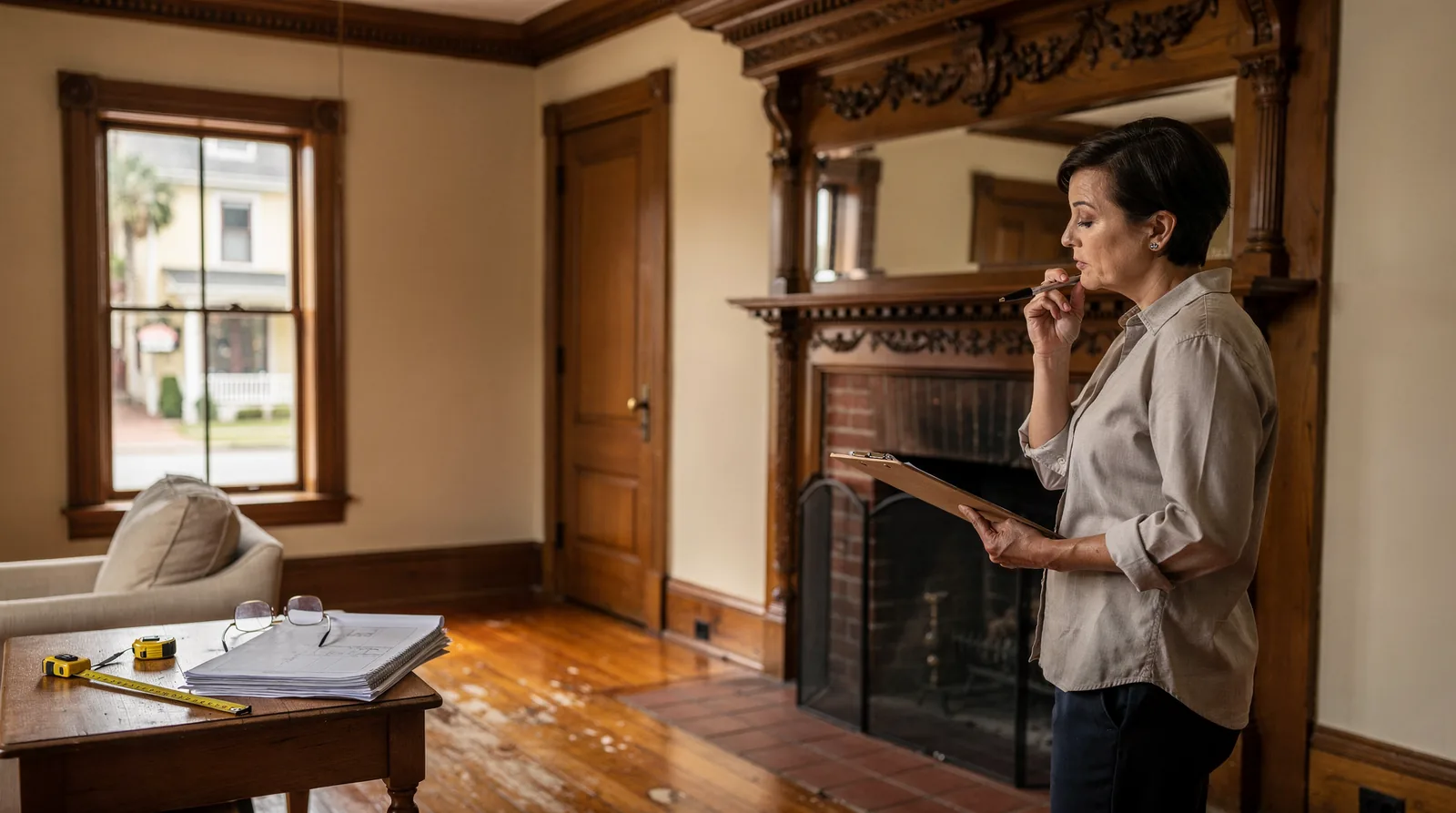
Fireplaces, millwork, hardwood floors, windows, and period details can add appeal. Their condition matters as much as their presence.
Quality of renovations
Updates that respect the home’s style tend to support value. Renovations that remove character, or that are poorly done, can hold value back.
Systems and condition
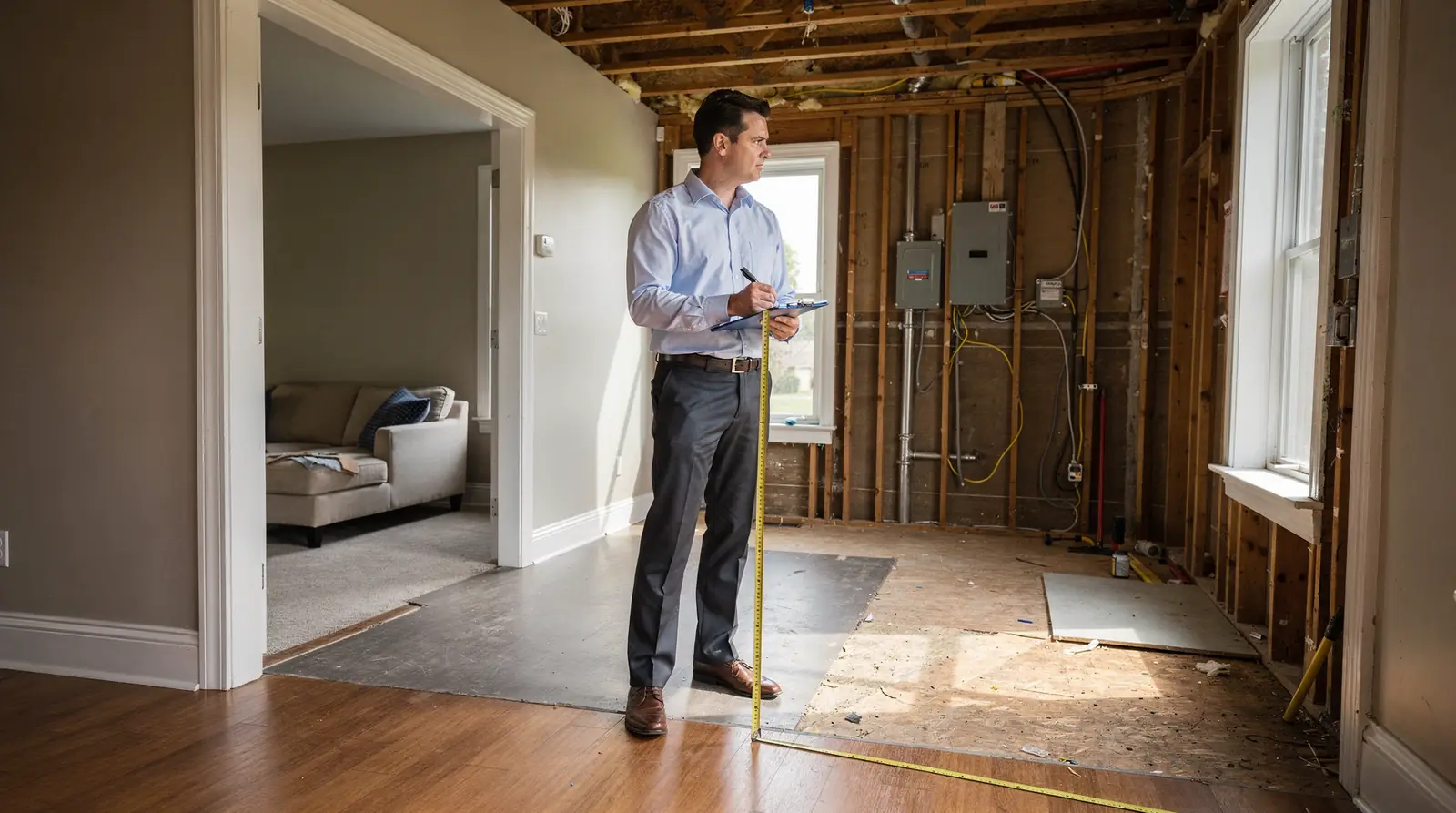
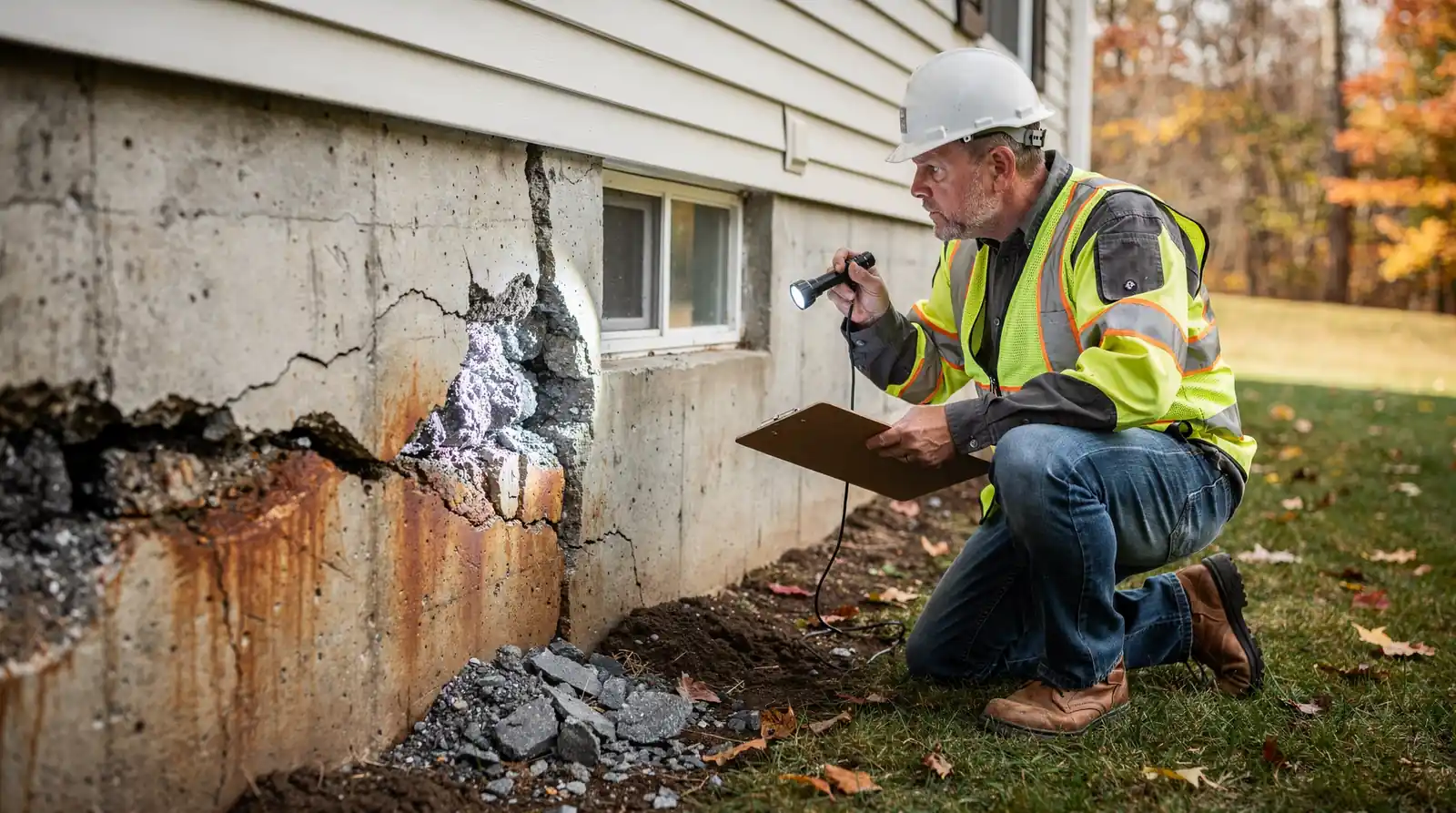
Older electrical, plumbing, and heating systems, foundation issues, and lead paint on pre-1978 homes all affect what buyers pay and what lenders require.
Historic district rules
Homes in local historic districts may need approval for exterior changes. Some buyers value that protection; others see it as a limit. The appraiser looks at how district homes have actually sold.
| Feature | Typical effect |
|---|---|
| Well-kept original details | Often supports value with the right buyers |
| Sensitive, quality renovation | Generally positive |
| Renovation that removes character | Can limit the premium |
| Outdated systems | Usually adjusted for, and may affect financing |
| District restrictions | Depends on the market; measured from sales |
Finding Good Comparables
The best comparables are homes of similar age, style, and location. In small historic towns or districts, those may be few, so the appraiser may look back further in time or to similar districts nearby, and explain each adjustment. Square footage alone rarely tells the story. See complex residential appraisals.
Connecticut and Florida Examples
Connecticut has historic homes in nearly every town, from Litchfield and Guilford to Wethersfield and the villages of the shoreline, including Mystic. In Florida, historic neighborhoods include Hyde Park in Tampa, Old Northeast in St. Petersburg, and the historic districts of West Palm Beach. Each has its own buyers and price patterns.
What to Have Ready
- Records of restoration and updates, with dates and contractors
- Any historic designation documents or district approvals
- Inspection or engineering reports
- Notes on original features and materials
How Heritage Valuation Group Can Help
We appraise historic and character homes across Connecticut and Florida for estates, divorce, tax appeals, and pre-listing. Catherine Hall has appraised homes since 1993 and comes from a three-generation appraisal family. She is based in Palmetto and works throughout Florida, and her daughter, Madeline Hall, appraises alongside her in both states. We focus only on residential property and work directly with each client.
Related: estate appraisals and pre-listing appraisals. See our Florida and Connecticut service overviews.
Frequently Asked Questions
Does being in a historic district raise or lower value?
It depends on the market. Some buyers pay more for the protection, while others avoid the rules. The appraiser measures it from actual sales.
Do original windows add value?
Well-kept originals can add appeal for some buyers, but energy efficiency and condition also matter. It depends on the home and market.
How do you find comparables for a very old home?
We look for homes of similar age, style, and location, widening the search in time or area when needed and explaining each adjustment.
Will outdated wiring affect my appraisal?
It can, both through buyer demand and lender requirements. Note any updates you have made.
Should I document restoration work?
Yes. Records help the appraiser recognize the quality and timing of the work.
How do I get started?
Call 888-602-8322 or use the request form. Tell us the address, property type, and purpose, and we will send a clear quote before any work begins.
Conclusion
Historic homes reward an appraiser who understands both character and condition. With good comparables and clear documentation, you get a value that reflects what makes your home special. Heritage Valuation Group appraises historic homes across Connecticut and Florida.
Own a historic home? Request a quote or call 888-602-8322. You will get a clear price before any work starts.