Market Value Appraisals: Comprehensive Home Valuation Guide for Accurate Property Assessment
By Catherine Hall, Heritage Valuation Group
Determining a home's market value is essential for homeowners, buyers, and real estate professionals. This guide explains the purpose and methods of market value appraisals, the factors that affect assessments, and practical steps homeowners can take to prepare. Readers will gain a clear understanding of appraisal procedures and the information required to make informed property decisions.
- Market value appraisals estimate a property's likely selling price based on current market conditions and comparable sales.
- Accurate home valuations rely on methods such as sales comparisons, condition assessments, and comprehensive market analysis.
- Key factors influencing market value include home condition, size, layout, location, comparable sales, and curb appeal.
- Homeowners can improve appraisal outcomes by preparing documentation, enhancing curb appeal, completing repairs, and maintaining cleanliness.
- Certified appraisers conduct thorough inspections, considering structural integrity, amenities, and neighborhood characteristics to ensure accurate assessments.
- Understanding appraisal reports helps homeowners address discrepancies and make informed real estate decisions.
- Market value appraisals are essential for buyers, sellers, and lenders to ensure fair pricing and financing options.
- Local real estate market trends significantly impact property valuations and should be monitored by stakeholders.
Home Valuation Guide: Market Value Appraisals
Market value appraisals are formal evaluations that establish a property's worth by assessing location, condition, and prevailing market trends. These appraisals inform pricing strategies for sellers and buyers and support financing decisions. The process generally combines a physical inspection, comparable-sales analysis, and review of current market conditions.
Heritage Valuation Group provides residential market value appraisal services. Their practice applies established appraisal methods to produce assessments that reflect current market conditions.
Understanding Market Value Appraisals
A market value appraisal estimates the price a property would reasonably command in the current market. Appraisers evaluate physical condition, location, and recent sales of comparable properties to form their opinion of value. The appraisal supplies objective information that aids buyers, sellers, and lenders in decision-making.
The appraisal supports fair pricing in transactions and can affect negotiation positions and financing. Stakeholders who understand appraisal mechanics can better interpret results and respond to valuation outcomes.
Methods for Accurate Property Assessment
Appraisers employ established methodologies to determine value. Primary methods include the sales comparison approach, condition assessment, and market analysis, each supplying critical evidence for the final opinion of value.
Sales Comparison Approach
The sales comparison approach compares the subject property with similar properties that have recently sold. Appraisers adjust values to account for differences in size, layout, amenities, and other material features. This approach reflects current buyer preferences and market conditions, making it a principal method for residential valuation.
Further research examines advanced sales-comparison methodologies and analytical techniques to refine comparative valuations.
Advanced Sales Comparison Methods for Real Estate Valuation
The theory and practice of real-estate valuation has attracted immense interest over the past decades. This paper is concerned with the sales comparison approach. First, a brief survey of some procedures used worldwide, the sales comparison by adjustments, the hedonic regression and the hedonic price index method, is presented. To improve the versatility of property appraisals a new valuation method, as a combination of multi-objective optimization (MOO) and multi-criteria decision analysis (MCDA) is developed.
A multi-attribute sales comparison method for real estate valuation, 2020
Condition assessment evaluates the property's physical state, including structural soundness, maintenance needs, and general appearance. Properties in good repair and with recent updates typically appraise higher than those with deferred maintenance. Identifying condition issues allows homeowners to prioritize repairs before inspection.
Market analysis reviews broader economic and local housing conditions that affect value. Appraisers consider supply and demand, local employment and income trends, and neighborhood characteristics to determine how external factors influence a property's market position.
Factors Influencing Market Value
Multiple factors affect a home's market value. Recognizing these elements helps homeowners and buyers assess price expectations and plan improvements that may increase value.
The property's condition is a primary determinant of value. Well-maintained homes with contemporary upgrades attract higher offers, while properties with significant defects generally receive lower valuations. Routine maintenance and targeted renovations support stronger appraisal results.
Size and functional layout influence marketability. Larger homes and those with efficient, adaptable floor plans typically command higher prices. Features that improve usable space and circulation increase buyer interest and perceived value.
Location remains a fundamental valuation factor. Properties in desirable neighborhoods with access to schools, transit, and amenities generally exhibit higher market values. Appraisers weigh location attributes heavily when forming an opinion of value.
Comparable sales, or comps, provide the benchmark for pricing. Appraisers select recent, proximate sales of similar properties and apply adjustments for material differences. Accurate comp selection and adjustments are essential to a credible valuation.
Studies emphasize the need for precise adjustments when reconciling differences between the subject and comparable properties.
Key Factors & Adjustments in Residential Property Valuation
When using sales comparison approach, it is crucial to apply adjustments based on the differences between the appraised and comparable properties. Estimating the significance of each adjustment is of key importance for performing credible valuation. Adjustments should include factors such as location, physical and functional characteristics of residential properties and external influential factors.
Influential factors on the market value of residential properties, 2017
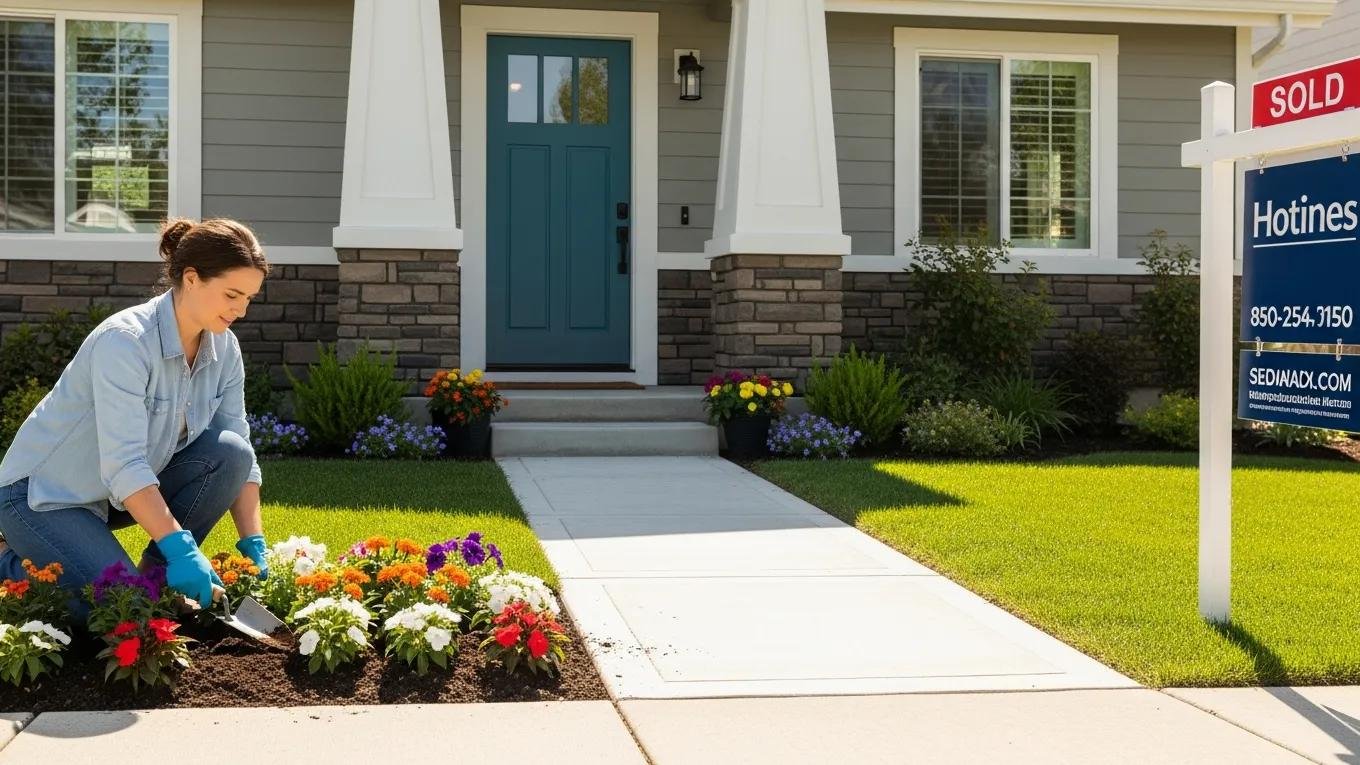
Curb appeal describes a property's street-level appearance. Well-maintained exteriors and landscaping create favorable first impressions and can positively affect buyer perception. Routine, cost-effective improvements to the exterior commonly yield measurable value gains.
Empirical research quantifies curb appeal's measurable contribution to sale price and its variation by market conditions and neighborhood context.
Quantifying Curb Appeal's Impact on Home Sale Price
We recover the value of curb appeal in residential housing by using photos obtained from Google Street View, a deep learning classification algorithm and a variety of hedonic controls. We show that own property curb appeal is worth about twice that of an across the street neighbor. Together, neighbor and own property curb appeal together may account for up to 7% of a house’s sale price. The curb appeal premium is more pronounced during times of housing market weakness and greater in neighborhoods with high average curb appeal.
Valuing curb appeal, A Tidwell, 2020
Homeowners can take specific steps to present their property accurately at appraisal and support a favorable valuation outcome.
Compile records of recent renovations, maintenance history, and any permits. Presenting clear documentation helps the appraiser verify improvements and understand the property's condition.
Simple exterior improvements—tidy landscaping, fresh paint, and clean walkways—enhance first impressions and may improve appraisal results.
Complete Necessary Repairs
Repair visible defects before the inspection. Addressing minor issues such as leaks, damaged surfaces, and worn flooring reduces the need for negative condition adjustments and supports a higher valuation.
Maintain a clean, uncluttered interior to allow the appraiser to assess features and condition without distraction.
Consider being present during the appraisal to provide factual information, but refrain from influencing the appraiser's professional judgment. Maintain a respectful and neutral demeanor.
After the appraisal, review the report carefully to identify any discrepancies or omitted information. If the value appears low, options include providing additional comparable sales, requesting a review or a second appraisal, or adjusting selling expectations.
What Is a Market Value Appraisal and Why Is It Essential?
A market value appraisal is a professional estimate of the price a property would likely sell for under current market conditions. It is essential for buyers, sellers, and lenders because it provides an objective basis for pricing and financing decisions.
How Does a Market Value Appraisal Differ from Other Property Valuations?
Market value appraisals focus on the open-market selling price. Other valuations, such as investment value or tax assessments, apply different frameworks and objectives and may not reflect current market conditions.
Who Benefits from Market Value Appraisals in Residential Real Estate?
Homeowners preparing to sell, buyers negotiating purchases, and lenders underwriting loans all rely on market value appraisals to ensure transactions reflect accurate and current values.
What Are the Key Steps in the Home Appraisal Process?
The appraisal process generally includes a physical inspection, data collection, analysis of comparable sales, and preparation of a written report detailing the appraiser's opinion of value.
How Do Certified Appraisers Conduct Residential Property Inspections?
Certified appraisers perform systematic inspections, documenting condition, measurements, and notable features. They apply established valuation methods to ensure the appraisal reflects the property's true market position.
What Data and Comparable Sales Are Used to Estimate Property Value?
Appraisers use recent sales of comparable properties, local market trend data, and property-specific details such as size, condition, and amenities to derive an opinion of value.
Which Factors Influence Property Appraisal Values?
Appraisal values are influenced by property condition, location, size, layout, recent comparable sales, and observable market conditions. Each factor is weighed in the appraisal reconciliation process.
How Do Local Real Estate Market Trends Affect Home Valuations?
Local supply and demand, economic conditions, and neighborhood desirability affect values. Shifts in these factors can raise or lower market value over time.
What Property Conditions and Features Impact Market Value Estimates?
Structural integrity, modern renovations, functional layouts, and overall aesthetics materially affect market value estimates and are considered during inspection and analysis.
How Much Does a Property Appraisal Cost and What Are Typical Fees?
Appraisal fees vary by location, property size, and complexity. Typical residential appraisal costs range from $300 to $600, depending on the scope of the assignment.
What Variables Determine the Cost of Residential Property Appraisals?
Cost drivers include geographic location, property size, complexity, and the appraiser's qualifications. These variables should be considered when budgeting for an appraisal.
How Can Clients Request and Schedule an Appraisal with Heritage Valuation Group?
Clients may request and schedule an appraisal with Heritage Valuation Group by contacting the firm directly by phone or email. The team will provide guidance on the required information and next steps.
How to Prepare for a Home Appraisal to Ensure Accurate Valuation?
Prepare by assembling documentation, enhancing curb appeal, completing necessary repairs, and ensuring the property is accessible and presentable for inspection.
What Documentation and Property Access Should Homeowners Provide?
Provide renovation records, maintenance histories, permits, and allow access to all areas of the property to enable a thorough inspection and accurate valuation.
How Does Proper Preparation Influence the Appraisal Outcome?
Proper preparation presents the property in its best condition and supplies the appraiser with verifiable information, both of which increase the likelihood of a favorable and accurate appraisal.
How to Understand and Use Your Home Appraisal Report Effectively?
Review the report to identify the appraiser's rationale, comparable selections, and adjustments. Use the findings to address discrepancies, inform pricing, or support financing decisions.
What Key Elements Are Included in a Market Value Appraisal Report?
A market value appraisal report typically includes property descriptions, photographs, a comparable sales analysis, adjustments, and the appraiser's final opinion of value.
How Can Appraisal Reports Assist in Real Estate Transactions and Financing?
Appraisal reports provide objective value opinions that support fair negotiations and underwriting decisions, aiding buyers, sellers, and lenders in transaction and financing processes.
Frequently Asked Questions
What should I do if my home appraisal comes in lower than expected?
If an appraisal is lower than anticipated, review the report for errors or omissions and collect supporting evidence such as recent comparable sales or documentation of improvements. You may request a review with the lender, seek a second appraisal, or adjust pricing and negotiation strategies to reflect the appraisal.
How often should I get a home appraisal?
Obtain an appraisal every few years if the market has changed significantly or after major renovations. Appraisals are also standard when refinancing, buying, or selling a property.
Can I influence the outcome of my home appraisal?
You cannot direct the appraiser's professional judgment, but you can improve the property's presentation, complete necessary repairs, provide documentation of upgrades, and be available to answer factual questions during the inspection while remaining neutral.
What is the difference between a market value appraisal and a tax assessment?
A market value appraisal estimates the price a property would likely sell for based on recent market activity. A tax assessment is performed by local authorities to determine taxable value and may not reflect current market conditions.
How can I find a qualified appraiser for my property?
Seek recommendations from real estate agents or lenders, consult professional associations, and verify credentials with organizations such as the Appraisal Institute. Choose a certified appraiser with local market experience and appropriate qualifications.
What role do appraisals play in refinancing a mortgage?
Appraisals are required in refinancing to confirm the property's value for loan underwriting. A favorable appraisal can lead to better loan terms; a low appraisal may limit refinancing options or require additional equity.
Are there any common mistakes homeowners make during the appraisal process?
Common errors include inadequate preparation, neglect of repairs, and failure to provide documentation. Homeowners may also overvalue their property due to personal attachment. Avoid these mistakes by accurately presenting the property and providing relevant information to the appraiser.
Knowledge of market value appraisals enables homeowners, buyers, and professionals to make informed, financially responsible decisions. By understanding appraisal methods and the factors that affect value, stakeholders can pursue measures that improve valuation outcomes. For professional appraisal services, contact Heritage Valuation Group to schedule an appointment.