
Key Takeaways
- 2-4 unit residential appraisals determine market value for duplex, triplex, and fourplex multi-family properties.
- Accurate appraisals are essential for investment decisions, lender financing, and fair property valuation.
- The appraisal process includes property inspection of each unit, data collection, and detailed report preparation.
- Key documents for appraisal include property deeds, rental agreements, including rent schedules, and comparable sales data.
- Property condition, location, and income potential significantly influence the market value assessment.
- The sales comparison approach is the primary valuation method; the income approach uses market rents and a gross rent multiplier for small multifamily properties.
- Lenders often require appraisals using USPAP standards and expect rent schedules, commonly using Fannie Mae Form 1025 for the appraisal report and Form 1007 for the rent schedule.
- Appraisal fees depend on property size and location; Heritage Valuation Group provides clear upfront quotes.
- Site visits often take longer than a single-family appraisal because each unit is inspected; reports are typically delivered within a few business days.
- Understanding appraisal reports helps owners make informed investment, financing, and property improvement decisions.
What Are 2-4 Unit Residential Appraisals and Their Importance?
Defining Duplex, Triplex, and Fourplex Properties
- Duplex: A building with two separate living units, often sharing a common wall.
- Triplex: A structure containing three distinct living spaces, which may be stacked or side-by-side.
- Fourplex: A building with four separate units, typically designed to maximize rental income potential.
Why Accurate Appraisals Matter for 2-4 Unit Residential Income Properties
- Support Investment Decisions: Investors depend on appraisals to evaluate potential returns and make informed purchases.
- Meet Lender Requirements: Lenders require accurate valuations to set appropriate financing amounts based on property worth.
- Ensure Property Valuation Accuracy: Accurate appraisals reflect true market value, aiding buyers and sellers during negotiations.
How Is the Appraisal Process Conducted for 2-4 Unit Residential Properties?
Step-by-Step Overview of the Appraisal Process
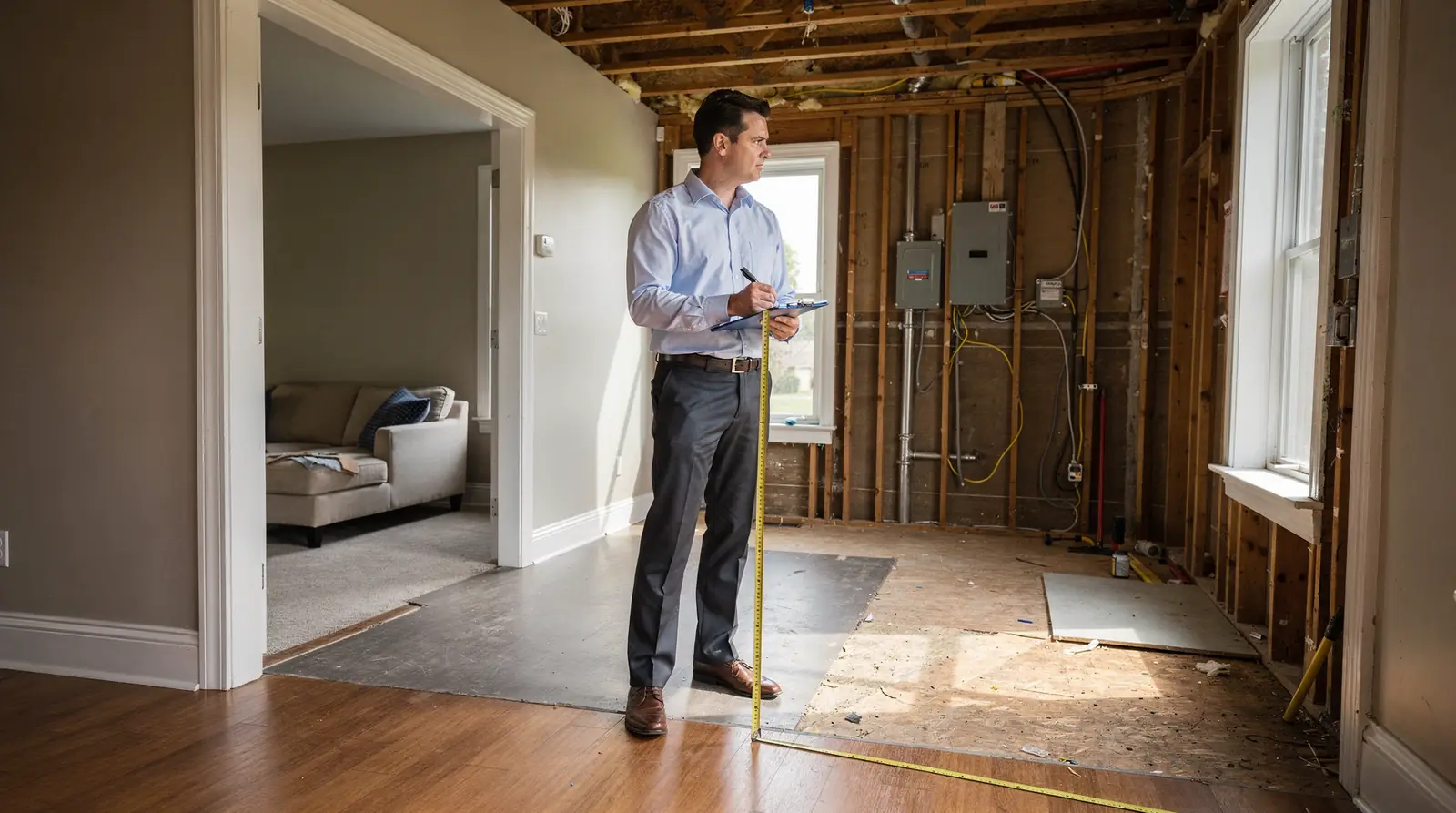
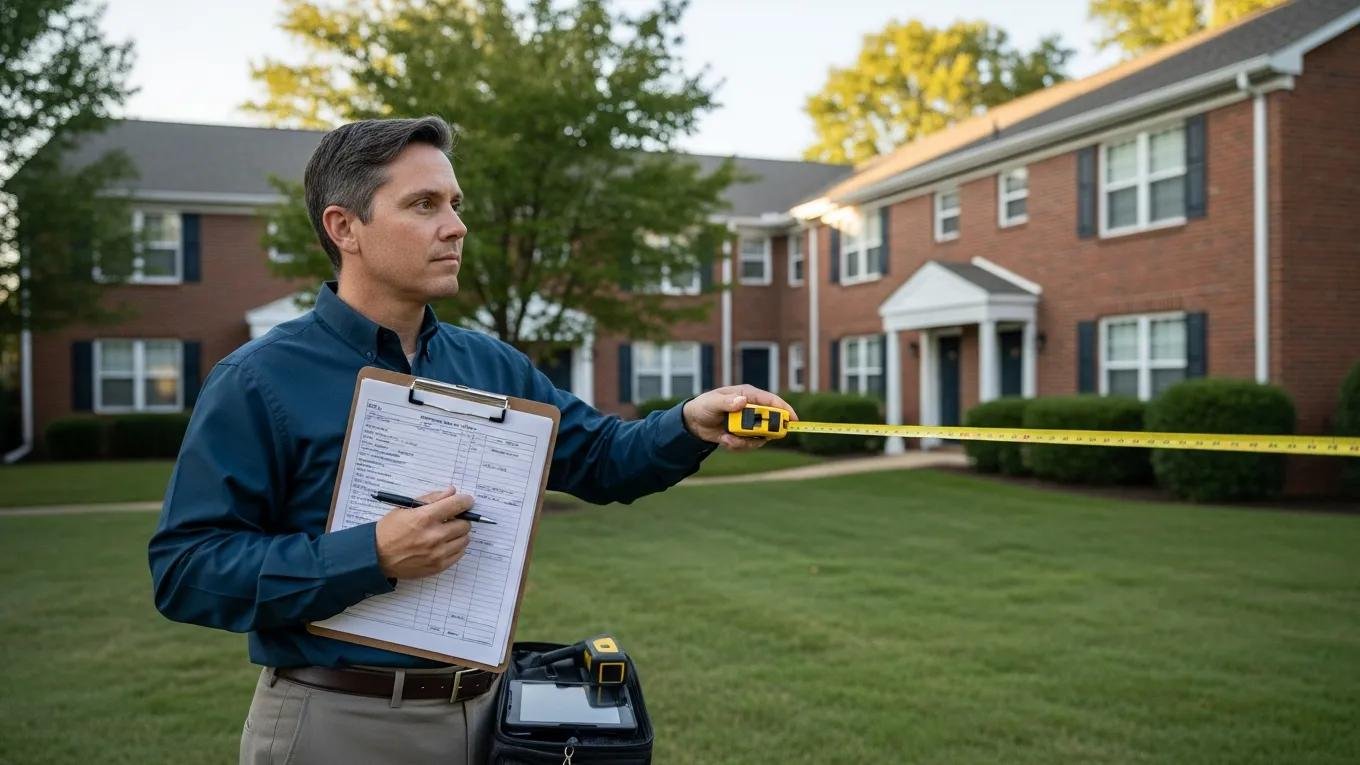
- Property Inspection: The appraiser inspects each residential unit whenever possible, noting condition, layout, and any special features.
- Data Collection: The appraiser collects information on recent sales of similar properties, market rental rates, and local real estate market trends.
- Report Preparation: The appraiser compiles a detailed report outlining the property�92s value, supported by evidence and analysis, including a rent schedule.
Key Documents and Data Needed for 2-4 Unit Property Valuation
- Property Deeds: Legal documents proving ownership and property boundaries.
- Rental Agreements: Current leases and a list of rents for each unit. The appraiser prepares the rent schedule (Form 1007) from these and from market rents.
- Recent Improvements: A list of updates or repairs with dates.
What Factors Influence the Market Value of 2-4 Unit Residential Properties?
Property Condition, Location, and Income Potential
- Property Condition: Well-maintained units typically appraise higher; properties needing repairs may have reduced value.
- Location: Access to jobs, transit, and services, plus nearby sales of similar properties, shape value.
- Income Potential: The ability to generate rental income directly influences value; appraisers use market rents and gross rent multipliers to estimate this.
Primary Appraisal Methods
- Sales Comparison Approach: The main method; compares the subject property to similar properties recently sold, adjusting for differences.
- Income Approach: Uses market rents and a gross rent multiplier to estimate value based on income generation.
- Cost Approach: Estimates value based on replacement cost minus depreciation, used as a cross-check.
Lender Requirements and Compliance for 2-4 Unit Appraisals
USPAP Standards and Lender Expectations
Use of Appraisal Reports by Lenders
- Market Analysis: Overview of local real estate trends.
- Condition Assessment: Detailed evaluation of property condition, including all units.
- Final Value Estimate: The appraiser�92s conclusion about market value based on all data.
- Rent Schedule: Usually presented on Form 1007, showing rent amounts and lease terms.
Appraisal Fees and Turnaround Times for 2-4 Unit Properties
How to Interpret and Use Your 2-4 Unit Appraisal Report
Key Metrics Explained
- Market Analysis: Insights into local housing trends affecting value.
- Condition Assessment: Details on the state of each unit and overall property.
- Final Value Estimate: The appraised market value based on analysis.
- Rent Schedule: Documentation of current rents supporting the income approach.
Actionable Steps Based on the Report
- Maintain or Improve Property Condition: Keeping units in good shape supports value.
- Keep Accurate Records: Document rental agreements and improvements for future appraisals.
- Plan Financing or Investment: Use the report to guide decisions about loans or sales.