
Florida condo owners have seen big changes in the last few years. After the 2021 Champlain Towers South collapse in Surfside, the state passed new condo safety laws. Those rules have led to higher fees and large special assessments in many buildings, and they’re now a major factor in condo values. Here’s what owners and buyers should know.
Key Takeaways
- Florida passed new condo safety laws after the 2021 Surfside collapse.
- Buildings three stories and up need milestone inspections and reserve studies.
- Higher fees, special assessments, and financing limits can lower condo values.
- Appraisers look at fees, assessments, inspection status, and sales in similar buildings.
- Get your association’s documents before you sell, buy, or settle an estate.
What Changed
Florida’s condo safety laws added two big requirements for many buildings:
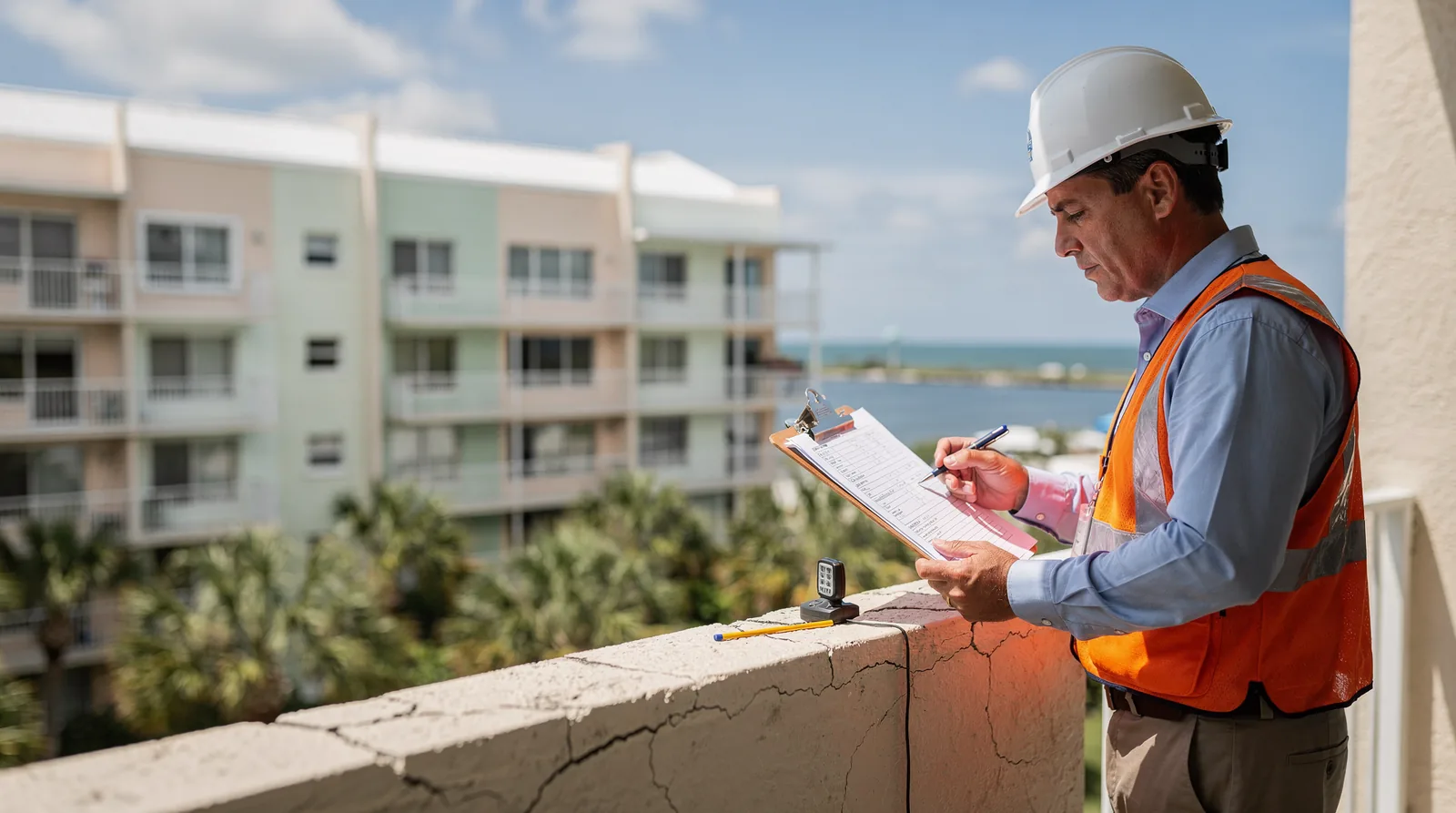
- Milestone inspections. Condo buildings three stories or taller must have a structural inspection once they reach a certain age, generally 30 years, and every 10 years after that. Local officials can require it sooner in some areas.
- Structural integrity reserve studies (SIRS). Associations must study key building parts, like the roof, structure, plumbing, and windows, and fund reserves to repair or replace them. Owners can no longer vote to skip funding these reserves.
The state has adjusted some deadlines and details since the laws first passed, so check with your association or a Florida condo attorney for the rules that apply to your building.
Quick Reference: The Key Rules
| Requirement | Who it applies to | What it means for owners |
|---|---|---|
| Milestone inspection | Condo buildings 3 stories or taller, generally at 30 years and every 10 years after (sooner in some areas) | An engineer checks the structure; repairs found must be addressed |
| Structural integrity reserve study (SIRS) | Condo buildings 3 stories or taller | The association studies key building parts and plans reserve funding |
| Funded reserves for key components | Associations required to complete a SIRS | Owners can no longer vote to skip these reserves, so dues may rise |
| Disclosure to buyers | Units being sold in affected buildings | Buyers get inspection and reserve info, which can affect offers |
Rules and deadlines have been updated more than once since 2022. Confirm the details for your building with your association or a Florida condo attorney.
How These Laws Affect Condo Values
Buyers look at the full cost of owning a condo, not just the price. The new rules can change that cost in a few ways:
- Higher monthly fees. Fully funding reserves often means higher dues.
- Special assessments. If inspections find needed repairs, or reserves were underfunded, owners may face large one-time charges.
- Financing. Some lenders won’t finance units in buildings with major unfinished repairs or certain inspection issues. Fewer financing options can mean fewer buyers.
- Buyer confidence. A building with a clean inspection, healthy reserves, and repairs already done is easier to sell.
How an Appraiser Handles It
An appraiser values a condo based on what buyers are actually paying. With these laws in play, a good appraisal looks at:
- Monthly fees and any pending or recent special assessments
- Whether the building has completed its milestone inspection and SIRS
- Sales in the same building, or similar buildings, with similar fee and assessment situations
- Any repair work underway that affects buyers or financing
Two units with the same layout in different buildings can sell very differently if one building has a large special assessment coming and the other doesn’t.
Same Unit, Two Buildings: An Example
Picture two 2-bedroom condos with the same layout, a mile apart. Building A finished its milestone inspection, fully funded its reserves, and wrapped up repairs. Building B just learned it needs major concrete work and has a large special assessment coming. Even with identical units, buyers will usually pay more for the condo in Building A, because the total cost and risk of owning there are lower. A good appraisal reflects that difference with sales from each building or similar ones.
Questions to Ask Your Association
- Has the building completed its milestone inspection? What did it find?
- Is the structural integrity reserve study done, and are reserves funded?
- Are any special assessments planned, approved, or being paid now?
- Are any repairs underway that could affect financing?
- Have monthly fees gone up recently, or are increases planned?
What Condo Owners Can Do
- Get the documents. Ask your association for the latest inspection, reserve study, budget, and any planned assessments.
- Know your number. If you’re thinking about selling, a pre-listing appraisal shows where your unit stands in today’s market.
- Check your taxes. If your condo’s value has dropped, your assessment may be too high. See our property tax appeal appraisals.
- Settling an estate? Condo values for estate and date-of-death appraisals need to reflect assessments that were known at the time.
Frequently Asked Questions
Does a special assessment lower my condo’s value?
Often, yes, especially if it’s large or still unpaid when the unit sells. Buyers factor in what they’ll have to pay.
Does this affect condo buildings under three stories?
The milestone inspection rule applies to buildings three stories and up. Other parts of Florida condo law apply more broadly, so check with your association.
Who pays a special assessment when a condo sells?
It depends on the sale contract and when the assessment was approved. Buyers and sellers often negotiate it, so talk with your agent or attorney.
Can I get financing on a condo in a building with pending repairs?
Sometimes, but some lenders won’t lend in buildings with major unfinished repairs. That can reduce the number of buyers for a unit.
Do you appraise condos anywhere in Florida?
Yes. We appraise condos and homes statewide, including Tampa Bay, St. Petersburg and Clearwater, Sarasota, and Fort Myers. Request an appraisal or call 888-602-8322.
Conclusion
Florida’s condo safety laws are making buildings safer, but they’ve also changed what condos are worth. Fees, assessments, inspection results, and reserve funding now matter as much as the unit itself. If you need to know where your condo stands, an independent appraisal that looks at all of it is the clearest answer. Request an appraisal or call 888-602-8322.