






How Residential Appraisals Work: Step-by-Step Guide to the Home Appraisal Process
Step-by-Step Residential Home Appraisal Process
- Residential appraisals provide an unbiased estimate of a property's market value for buyers, sellers, and lenders.
- Homeowners should prepare for appraisals by organizing documents, cleaning the property, and addressing visible repairs.
- The appraisal inspection evaluates the property's condition, size, location, and comparable sales to determine value.
- Appraisers use sales comparison, cost, and income approaches based on property type and available data.
- Factors such as home condition, location, and current market trends significantly influence appraisal values.
- The appraisal report includes market analysis, condition assessment, and the final estimated property value.
- Homeowners can request a reconsideration of value if the appraisal is lower than expected by providing additional evidence.
- Appraisal inspections typically last 30 minutes to a few hours, with overall process timelines ranging from 1 to 3 weeks.
- Appraisal fees usually range from $300 to $500 and are typically paid by the borrower.
Understanding the Purpose of an Appraisal
Preparation Before the Appraisal
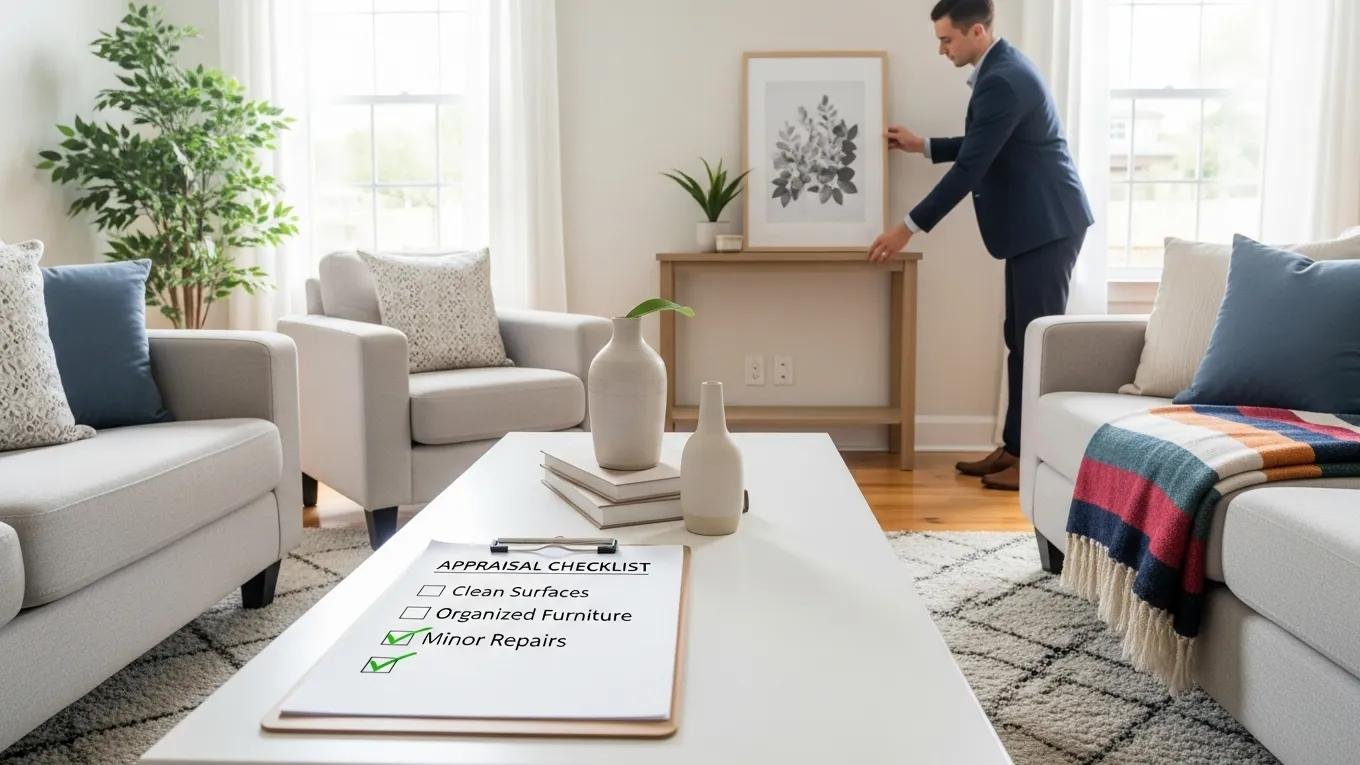
- Gather Necessary Documents: Collect all relevant paperwork, including previous appraisals, tax assessments, and any documentation of recent property improvements.
- Organize the Property: Ensure the home is clean and well organized, as a tidy environment can positively influence the appraiser's perception.
- Address Visible Repairs: Fix any obvious issues, such as leaky faucets or broken windows, to present the property in the best light.
The Appraisal Inspection
Methods Used in Appraisals
- Sales Comparison Approach: This method compares the property to similar homes that have recently sold in the area, adjusting for differences in features and conditions.
- Cost Approach: This approach estimates the cost to replace the property, minus depreciation, to determine its value.
- Income Approach: Primarily used for investment properties, this method calculates value based on the property's income.
Residential Appraisal: Cost & Sales Comparison Approaches
The appraisal community has focused on fundamental elements of the cost and sales comparison approaches.
Appraising Residential Properties, 1994
Factors Influencing Appraisals
- Home Condition: The overall state of the property, including any necessary repairs or upgrades, can significantly impact its value.
- Location: Properties in desirable neighborhoods or areas with strong market demand typically appraise at higher values.
- Market Trends: Current real estate market conditions, such as supply and demand, can also affect appraisal values.
Factors Influencing Property Market Value in Appraisals
qualities of the property object and comparable properties have more or less impact on the appraisal process and the property’s estimated market value
High-impact information types on market value: property appraisers' information sources and assessment confidence, L Bellman, 2018
The Appraisal Report
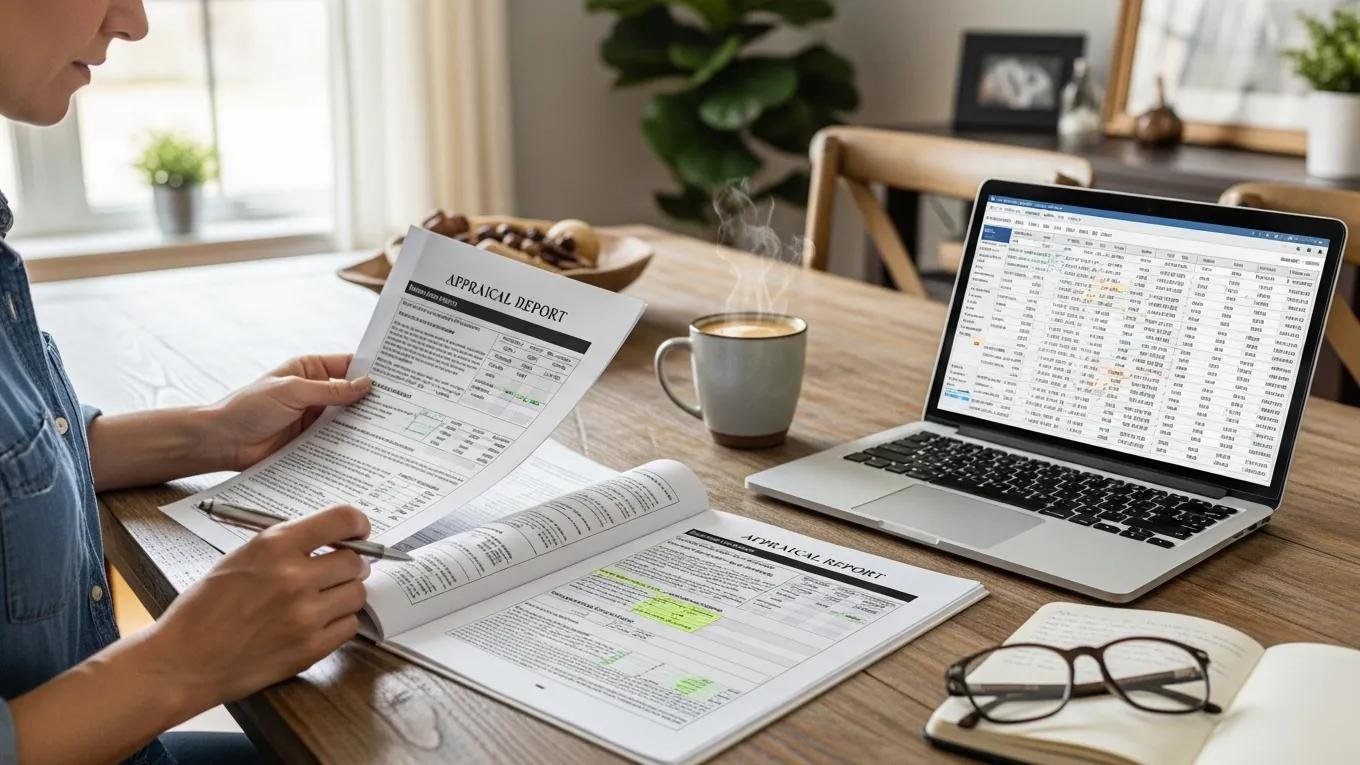
- Market Analysis: An overview of the local real estate market and comparable sales.
- Condition Assessment: A detailed evaluation of the property's condition and any relevant features.
- Final Value Estimate: The appraiser's final determination of the property's market value.
Post-Appraisal Steps
- Review the Report: Carefully read through the appraisal report to understand the appraiser's findings and the rationale behind the final value.
- Request Reconsideration if Needed: If the appraised value is lower than expected, homeowners can request a reconsideration of value by providing additional information or evidence to support their case.
Who Performs a Residential Property Appraisal?
How Does a Home Appraisal Influence Property Valuation and Lending Decisions?
What Are the Key Steps in the Residential Appraisal Process?
- Understanding Purpose: Recognizing the importance of the appraisal in the real estate transaction.
- Preparation: Gathering necessary documents and preparing the property for inspection.
- Inspection: The appraiser conducts a thorough evaluation of the property.
- Report Generation: The appraiser compiles their findings into a detailed report.
How Is the Property Inspection Conducted During an Appraisal?
- Duration of Inspection: Inspections typically last between 30 minutes and a few hours, depending on the property's size.
- Condition Assessment: The appraiser evaluates the home's overall condition and notes any needed repairs.
- Size and Layout Evaluation: The appraiser measures the property's square footage and evaluates its layout to determine its functionality.
What Data Analysis and Market Comparisons Are Used to Determine Value?
- Comparable Selection: Identifying similar properties that have recently sold in the area.
- Adjustment Techniques: Making adjustments to account for differences between the subject property and comparables.
- Market Analysis: Evaluating current market conditions to understand trends that may impact property values.
How Can Homeowners Prepare for a Residential Property Appraisal?
- Gather Documents: Collect all relevant paperwork, including previous appraisals and tax assessments.
- Enhance Curb Appeal: Make necessary repairs and improvements to enhance the property's exterior appearance.
- Complete Necessary Repairs: Address any visible issues that could negatively impact the appraisal.
What Is Included in a Property Appraisal Checklist for Preparation?
- Deep-Clean All Rooms: Ensure the home is clean and organized.
- Repair Minor Issues: Fix any small problems that could detract from the property's value.
- Document Recent Upgrades: Keep records of any improvements made to the home, as these can positively influence the appraisal.
How Does Proper Preparation Affect the Appraisal Outcome?
- Higher Appraisal Value: A well-maintained property is likely to receive a higher appraisal value.
- Marketability: Homes that are clean and organized are more appealing to appraisers and potential buyers.
- First Impressions: The initial impression made during the inspection can influence the appraiser's overall assessment.
What Does an Appraisal Report Include and How Should It Be Interpreted?
- Market Analysis: An overview of the local real estate market and comparable sales.
- Condition Assessment: A detailed evaluation of the property's condition and any relevant features.
- Final Value Estimate: The appraiser's final determination of the property's market value.
Which Components Are Detailed in a Home Appraisal Report?
- Market Analysis: A review of comparable sales in the area.
- Condition Assessment: An evaluation of the property's condition and features.
- Final Value Estimate: The appraiser's conclusion regarding the property's market value.
How to Understand Market Value Estimates and Comparable Sales in the Report?
- Sales Comparison Method: This method compares the subject property to similar homes that have recently sold.
- Selecting Comparable Sales: Appraisers choose properties that closely match the subject property in size, location, and features.
- Adjustments Made: Adjustments are made to account for differences between the subject property and comparables, ensuring an accurate valuation.
Sales Comparison Approach in Residential Real Estate Valuation
Valuation professionals regard the sales comparison approach as the most logical method for valuing residential real estate,
Valuation by comparison: Residential analysis & logic, 2007
What Factors Influence Residential Property Appraisal Values?
- Market Conditions: The overall state of the real estate market can impact property values.
- Property Characteristics: Unique features and conditions of the property can also play a significant role.
- Economic Indicators: Broader economic factors, such as interest rates and employment rates, can affect appraisal values.
How Do Property Attributes Like Location, Size, and Condition Affect Value?
- Location Desirability: Properties in sought-after neighborhoods typically appraise at higher values.
- Size Impact: Larger homes often command higher values, but this can vary based on location.
- Condition Assessment: Well-maintained properties are more likely to receive favorable appraisals.
What External Market Conditions Impact Appraisal Results?
- Local Market Conditions: Supply and demand dynamics can influence property values.
- Economic Indicators: Broader economic trends, such as inflation and interest rates, can also affect appraisals.
- Buyer Preferences: Shifts in buyer preferences can help homeowners navigate property values.
What Are the Typical Timelines and Costs Associated with Residential Appraisals?
- Inspection Duration: Appraisal inspections typically last between 30 minutes to a few hours.
- Cost Ranges: Appraisal fees can range from $300 to $500, depending on the property's size and complexity.
- Factors Influencing Costs: The property's location and type can also affect appraisal costs.
How Long Does Each Step of the Home Appraisal Process Usually Take?
- Inspection Duration: The inspection typically lasts between 30 minutes and a few hours.
- Report Turnaround Time: Appraisers usually take 1-2 weeks to complete the report after the inspection.
- Overall Appraisal Timeline: The entire appraisal process can take anywhere from 1-3 weeks, depending on various factors.


Step-by-Step Residential Appraisal Guide from Heritage Valuation Group